
date » 27-04-2024 17:00
permalink » url
tags » fotografo atget, fotografia banco ottico, fotografia analogica, grandi fotografi fabbri editore, fotografia francese novecento, storia fotografia, cancel culture sara munari, photoshop elemnts manunzio, nati non foste, a dirla tutta, fotografia bianco e nero, berengo gardin fotografo, regista fotografo abbas kiarostami,
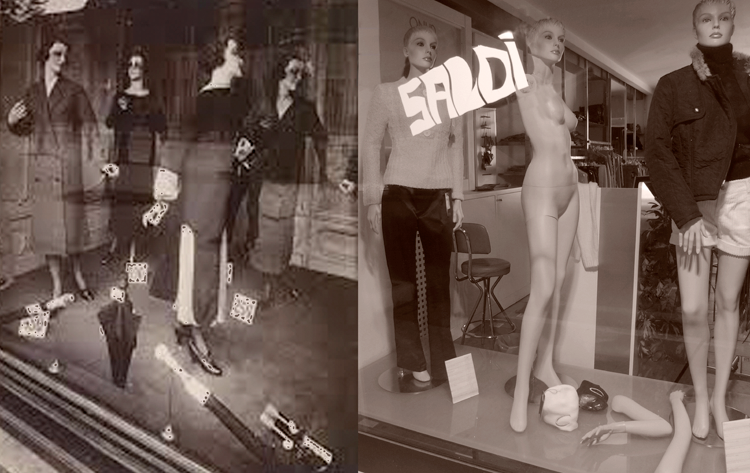
A dirla tutta: boh. Partito da un pizzo (niente siciliano, quanto locale da “un punto, da una parte”) simm’ arrivat’, di nuovo a boh.
Lightroom va. Una cartella di cose che poi diremo a suo tempo in Mondovisione, e Manunzio non fa chiacchiere. Dunque immagini prese per strada e di notte: vetrine. E a dirla tutta, ancora, se non avessi avuto quel piccolo mostro a nome Olympus C 5060 Wz l'archivio digitale costruito in un Ventennio manco l’ombra: in Italia è uso misurar il tempo ventennale, e noi senza fez nero ed Eja eja alalà di fascista memoria ne facciamo a meno.
Dunque una immagine in particolare richiama, come in gioco di specchi, un’altra di qualche “giorno prima” mettiamola così: Novecento, Parigi, Monsieur Eugène Atget. Un Eugène prima di quell’altro, americano. Certe assonanze. Certe fine: morti in canna tutti e due, quanto dire.
 Sia come sia, dopo aver faticato non poco a Pshop Elements (sempre per dilettanti e Manunzio, dicono, fotocopia è) per aggiustare certe scritte sin troppo invadente il risultato pare discreto. Ma è pura assonanza, si vede, tuttavia, che il “modulo” daje e daje, vedi e rivedi è rimasto inconscia traccia: neuroni specchio?
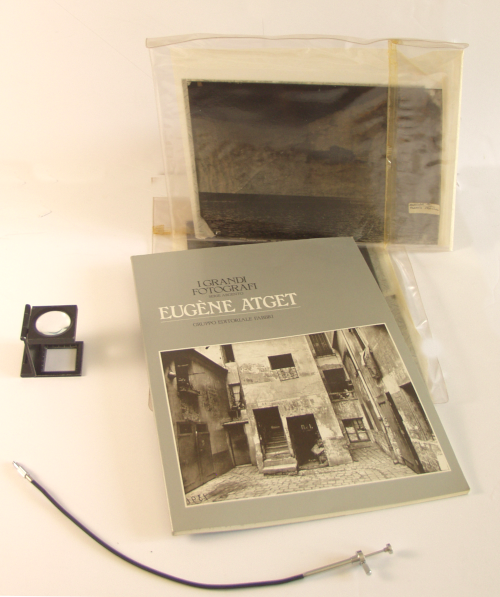
Assonanze, quindi, il terzo e sotto si riporta i precedenti due. E prima di finire due cose: la prima Atget in pubblicazione dell’allora Fabbri Editore (dite come ve pare ma dare dell’ignorante patentato a Manunzio potrebbe costarvi un...stramortax con annessi e connesso, lassù qualcuno strano ma vero ci ama, mah, e qualche fulmine potrebbe...uomo avvisato) e mai più ristampato ché si offende la Munari & Co e lor dogma detto Cancel Culture.
Secondo ma non troppo in scena delle lastre, letteralmente, di vetro in formato 18 x 24 non dissimili da quelle usate da Atget. Hanno una novantina di anni, quindi non le ha riprese Manunzio ma è storia che purtroppo non è lecito qui narrare, mentre declinava a questa vita l’Atget francese che fotografava al di là del bene e del male e lo comprendo benissimamente bene. Assonanze, no? Sì
https://www.manunzio.it/page-d14146
https://www.manunzio.it/page-d14186
date » 24-04-2024 08:49
permalink » url
tags » fotografia digitale simboli, fotografia vetrine, donna vetrina, dante purgatorio ventinove, materia viva, olympus c 5060 wz, ezechiele libro, fotografia ritratti, manichini donne, ivano fossati musica gira intorno,
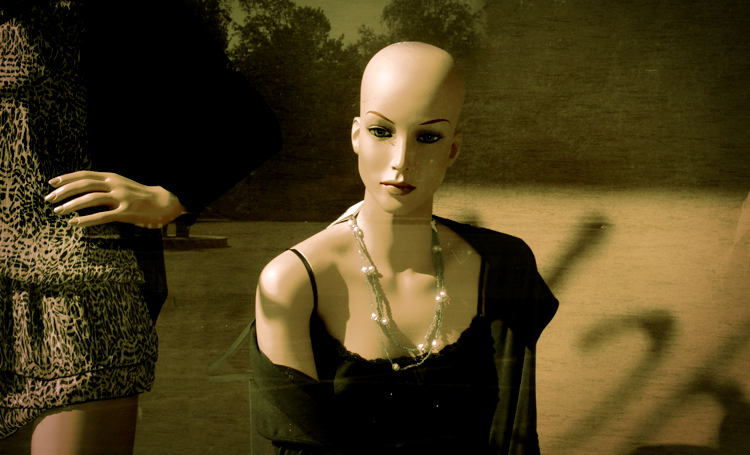
(Immagine © Archivio Manunzio)
Materia viva, va tu mo' a sapé
Per niente facili uomini così poco allineati li puoi chiamare ai numeri di ieri se nella notte non li avranno cambiati. Per niente facili uomini sempre poco allineati li puoi pensare nelle strade di ieri se non saranno rientrati. Sarà possibile sì incontrarli in aereo avranno mani e avranno faccia di chi non fa per niente sul serio. Per niente facili uomini sempre poco affezionati li puoi tenere fra i pensieri di ieri se non ci avranno scordati...Ivano Fossati cantava.
Sia come sia l'immagine, va. Luce? Dite c'è luce in quest'immagine? Si in apparenza e da sinistra che taglia (non è caravaggesco!) la “modella” dentro una vetrina, come quelle che si incontrano, dicono, ad Amsterdam in via deputata a mercimonio vocabolo aulico che “tradotto” in volgare ( e noi lo siamo) prostituzione. Certo dovessimo dire la nostra è tutta una prostituzione, che, si badi non è genere femminile, tutt'altro ma non è di questo altrimenti dovremmo poi “spiegarci” prendendo qualche passo Biblico. E non è caso.
Sia come sia la luce, di un non luogo a procedere oltre. Ma. La difficoltà di darne qualche coordinata nasce dal fatto che lì fuori siete troppo presi dietro pezzi di carta (un dì) con cifre sopra: la vs. Bibbia. Il Corano è un po' diverso circa la cresta o interesse.
Vabbene bisogna pur iniziare da qualche parte: adagio ma non troppo. Modella senza parrucca che sembra, se impiegate qualche secondo in più, vera. E di “scocozzeria” anche al femminile per non essere meno “scocozzati” dei maschietti, eh. Certo anche questo, ma non solo. La nostra modella (molto puttaniforme) seduta sembra pensare, ecco, ad altro mentre sovviene ad altro e prossimo cliente. Fantasie di Manunzio? Non si può negarlo, ma aspettate un attimino: se vi pare.
Passando oltre l'attesa clientes, tre cose colpiscono o se vi sembra un calembour, quanto volontario e quanto eterodiretto non sapremmo. Usati si, eh avessi voglia. Usati come strumento tirato da qualche altro, e se chiedeste in giro a chi ha pruriti “artistici” vi guarderebbe come marziano, tant'è palese la cosa. Strumenti e passiamo oltre.
Destra, ombre. Precisamente visibilissimo numero 26*. Dietro la testa calva due segnetti che fermandosi un attimo (!?) sono sì, due corna solfuree e cosa sennò?
Botta finale il fondale, diciamo così. Qui è manifesto: due occhi scrutatori e maligni, come se l'immagine “bucolica” della venditrice di sesso (e luce) lo fosse. Vero. L'occhio destro è clone fogliame-occhio sinistro usato a rimarcare la cosa per voi altri che andate dietro (però!) alla Munari: uhmm. E si termina qui ché...a descriver** lor forme più non spargo rime, lettor; che altra spesa mi strigne, tanto ch'a a questa non posso esser largo; ma leggi Ezechiel, che li dipigne come li vide da la fredda parte venir con vento e con nube e con ignede**...
Nb. Scocozzata letterale senza capo, decollata/o, qui per calva calvizie, senza capelli sensu lato
*Il numero 26 è un elemento che denota una voglia di maggiore stabilità, un senso di famiglia e di apparteneza a qualcosa di radicato dentro al genere umano:un legame profondo con altri esseri umani.
**Dante Purgatorio XXIX v. 97-102
Ps. Immagine come altre migliaia di migliaia prodotta da stupenda Olympus C-5060 Wz. Certo il manico...
date » 10-04-2024 08:56
permalink » url
tags » réclame pubblicitaria, manunzio.it, fotografia digitale olympus c 5060 wz, elaborazione lightroom, elaborazione immagine pshop, dea madre a pagamento, pappone protettore albanese che tempo che fa, nati non foste, 5060, sara munari dea madre, myphotoportal condominio,
5060
Il codice che identifica la Point & Shoot Olympus (fuori produzione). E anzi per esteso sta per: WZ C 5060 un mostro da farci i 70 x 100 incredibile per chi capisce (già chi?) di fotografia.
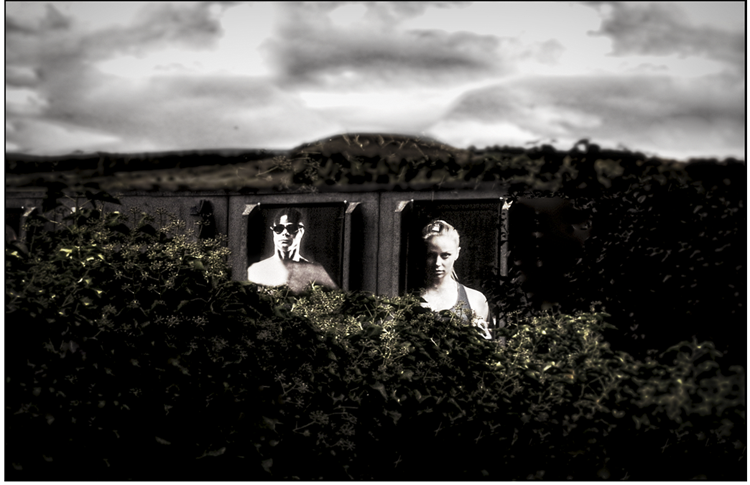
Avevamo parcheggiato in zona industriale periferica (diciamo 'na kilometrata dalla nostra base antartica per chi intende, va) di questa landa da dove si mette l’ennesima bottiglia nel biglietto, o viceversa fate vobis. Sia come sia fra il fogliame appaiono sti due “marziani”.
Cartellone di réclame e paesaggio non così delineato come l’originale da cui si è partito e che mostrerei l’originale, chissà dove è nel mare magnum di Lightroom. E pazienza. Sì, ancora, l’immagine, dopo il primo acchito formatosi nella capa di Manunzio: paesaggio diciamo silvestre, non Vidal alla bagno schiuma, no. E due tizi spettrali come si conviene all'America way of Life; di più la Dea Madre, che una volta tanto sta su strada di periferia, qui di giorno e non all'imbrunire, suo habitat naturale sin dalla notte dei tempi; a latere il sodale compare. E sì ma sì il pappone anche lui lì dalla notte dei tempi, di chi vende chi compra e chi amministra da protettore direbbe Albanese in una delle sue a Che te Tempo che fa d’antan.
Si dirà: ‘mbe? Ah de gustibus, oltre al...non ti curar di lor ma guarda e passa...qui il narrato di come una comunissima istantanea, si presti a molto molto altro. E finiamo qua mentre ritorniamo alla nostra base "artica" per chi intende!
date » 17-11-2023 10:42
permalink » url
tags » stampa digitale hp indigo, fotografia digitale calendario, stampa file digitale, olympus c 5060 wz, manunzio uber alles, point e shoot fotocamera olympus, aldilà bene male, sara munari pontefice massimo,
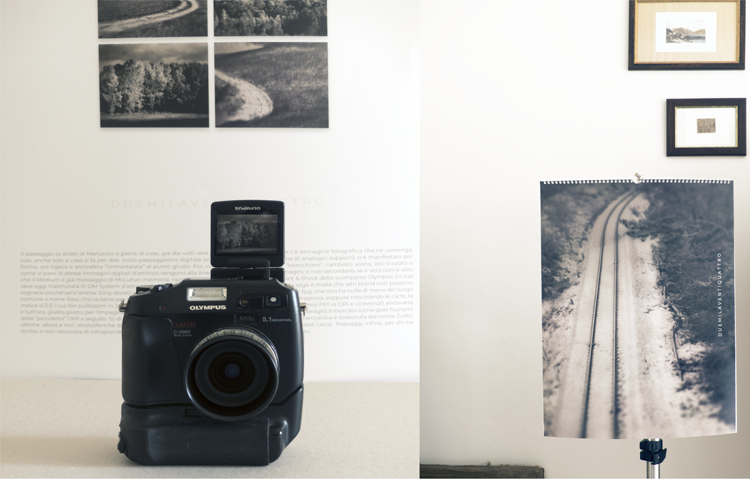
Al-di-là-del-bene-e-del-male
Oltre ogni ragionevole dubbio la giuridica formula quando traduce il fatto in res senza se e senza ma.
Ora se usiamo e non a caso il termine “minchiapixellista” motivo ci sarà. Sicché il sedicente fotografo o pontefice massimo nel suo, appunto, pontificale (Munari & Co.) racconta di pixel come unica e solitaria espressione della fotografia digitale. Si certo ora un distinguo ora un altro poi alla fine tutti “tengono famiglia” amorale quanto si vuole, però la casta è casta e va si rispettata...così dal Principe della risata, Totò. Ecco al sodo contendere: ma si può? Tutt’altro che conta e lo si è sperimentato ennesima volta con il calendario (cover post) autoprodotto per una scuola di danza e non solo, in formato cm 42 x 60. Misure queste appannaggio, dice chi ne sa, di milioni se non miliardi di (minchia)pixel. Minchiate per l’appunto, giacché il calendario, otto pagine bimestrale in bianconero virato antico brown nuance, vien fuori da una topolina a nome C 5060 WZ di Olympus che fu. Ebbene sì una “misera” Point & Shoot, purtuttavia stratosferica. E la cover dell’Almanacco ne è lampante visone; la “stiratura” dall’immagine di partenza diciamo così di cm 20 x 25 circa, che è parte del calendario nelle pagine interne, dal “francobollo” è stiracchiata a riempire un cm 42 x 60. E anche poggiando letteralmente la proboscide su la superficie in cerca della “scalettatura” si resta, non altrimenti, sorpresi del mira + culo (così detto su pergamene un tempo antico). Niente pixel a scaletta e niente di niente se non una cremosità di stampa da Hp Indigo d’un service al Nord Italia, già sperimentato, che ha fatto un buon lavoro. Infine complice il retino stocastico di stampa e non già la rosetta RGB convertita in CMYK ne siamo ampiamente soddisfatto, anche perché, strano ma vero, il calendario visto a distanza debita su muro, altro che miliardi di pixel che uno se li dovrebbe mettere…
Ps. Non si dica della visione umana, psicologia, circa "scalettature" che se avrebbe a male la Giostra degli acquisti. La stessa che su i famigerati stradali seipertre, réclame, nulla dice della visione, eppure lì i punti del retino vis-a-vis somigliano a "patate" e non...store alimentare
Pss. Le immagini del calendario sono quelle in https://www.manunzio.it/-s4555
date » 15-07-2023 11:38
permalink » url
tags » diteggiatura fotografica, pensiero unico dominante, messiah salvifico, concettuale pensiero, virtuale pensiero, fotografia digitale, fotografia analogica very nice, babele babilonia, linguaggio fotografico, previsualizzazione fotografica, occhio come mestiere, occhio lucerna corpo, nati non foste, canale sicilia scilla cariddi, diteggiatura estiva, mare spiaggia, giovani mare, cielo mare terra, temperatura estiva, stagione estiva, olympus point&shoot, olympus camedia 5060 wz,
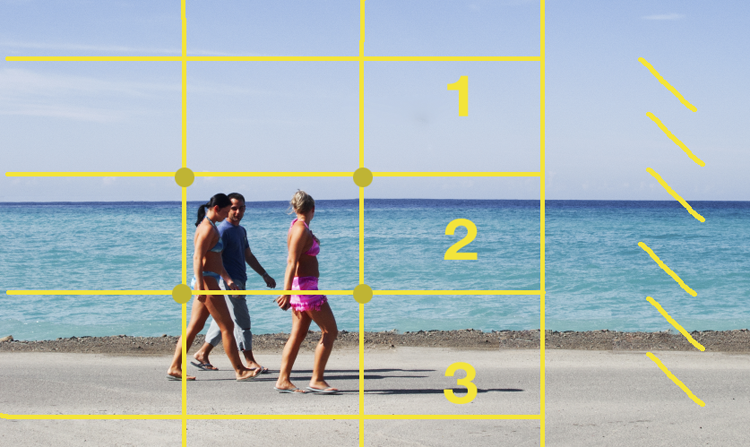
Linee guida “mentale” (si acquisisce con costante lavoro dell'osservare e attingendo alla storia dell'Arte tout court) a ricomporre il quadro, che non è mai il calco fedele della realtà cosiddetta, secondo equilibrio compositivo “armonico” che, tuttavia, si contrappone manu militari all'orchestrata Cancel Culture di stanza, ecco, a Wall Street & City of London templi del'Iddio denaro flat giunto al capolinea come tutto il resto dell'America way of life giudaico-cristiano-greco-romano
Diteggiatura...estiva, va
Anzitutto bisogna esserci fisicamente in situ, mica con il “pensiero” concettuale o dematerializzazione/virtuale corrente. Bisogna saper tener in mano una digicamera, operazione tutt'altro con “pensiero”, come pure analogica che al presente sembra ritornata very nice people in mano a giovani occidentali (meglio se nati a New York la grande mela, vuole il caso). Infine, senza farsi male! Lo si ricorda per i concettualisti eterodiretti proni a novanta gradi, in attesa del Messiah Pensiero Salvifico. Pensa te.
E dunque siete su una spiaggia di buon mattino, cielo terso e pari mare ognuno per la loro parte di scena. Tre bande, l'immagine, orizzontali: cielo mare terra. Ancora l'interno ripetizione del tre (tria sunt perfectionem, no?) di giovani corpi, che proiettano altrettante ombre: sapevamo del Trentatreesimo di Rito scozzese rettificato oliato a puntino per...l'abbisogna. Che dire? Il solito fuori “squadra & compasso” Manunzio...
Cui prodest? Bella domanda e se la ponete siete irrimediabilmente persi (stavo per scrivere con impudente politically in-correct ante Cancel Culture, dannati) figurasi dall'altra parte a tempo debito secondo Parche. Eh stamani siamo di lena e sfoggio di cultura ma ho andato a squola altro che mantra “Emittente-ricevente canale di...Sicilia” madama la marchesa. Fermiamoci qui. Intelligenti, al solito, pauca verba!
Ps. L'immagine, serie centinaia di frame, è il portato di insuperabile leggerezza dell'essere Olympus C 5060 WZ in formato Raw, uno dei rari casi che si è scattato "grezzo" preferendovi, e di gran lunga, il "semplice" formato Jpg. Point&shoot, quindi, digicamera discreta e poco intrusiva. Se carta canta figuriamoci uno scatto fotografico fresco e godibile "fatto" non con soliti brand(y) fullframosi. Stamm' man' all'arte, eh? Proprio così
Manunzio fotografo sin dal 1969
date » 13-08-2020 10:29
permalink » url
tags » eni italia calendario, archivi stato, riproduzione analogica, riproduzione digitale documenti, fotografia digitale, olympus camedia 5060 wz, planetario archiviazione documenti, agenzia grazia neri milano, plasticoni porta dia, texana italiana valle d’agri, grumenum latina, ur cittadina mediorientale archeologia, excell microsoft, industria fototecnica firenze, pozzi petrolio val d’agri, minchiapixel,
Manunzio è speciale e vabbene mettiamola così, però sta storia del planetario va detta subito. E di certo non è Gaia (accontentiamo i luciferini che tengono famiglia) né il terraqueo più accessibile ai più, quanto la colonna dove una volta era la “scatola” di 35 ma e pure 16 mm analogica pellicola che in tutti gli Archivi di Stato, e altrove (da militare se ne usato al Quartier Generale in Napoli d’antan) veniva usata per copie di sicurezza** di documenti a vario titolo, comprese “pecore”: sì, una volta scuoiate, da un lato si magnavano, non prima di produrre latte (pecorino e/o caprino anche a mezza via l’un l’altro formato caciotte) e la pelle usata a mo’ di pergamena. Operazione lunga e articolata e ne parlò con me l’amica Marilù dell'Archivio statale qui dove si scrive.
Pergamene per atti solenni e contabili come sempre: scrittura cuneiforme quanto si vuole in quel di Ur (starter civiltà umana d’occidente) sono solo e soltanto pagine “Excell” Microsoft ante litteram. Certo poi quando lo scriba/sacerdote nun’ teneva at che fà riportava i cosiddetti fatti della vita, di sei mila anni fa o giù di lì . Tempo che i maligni (luciferini?) vogliono l'inizi vero dell’umana storia, altro che milioni. E visto che ci siamo, altri ancora datano il bipede Sapiens-Sapines (una sola volta sapiente, no eh!) ibridato con DNA di mattacchioni alieni solo duecentomila anni fa. E se aggiungiamo la terra “piatta” non se ne esce più.
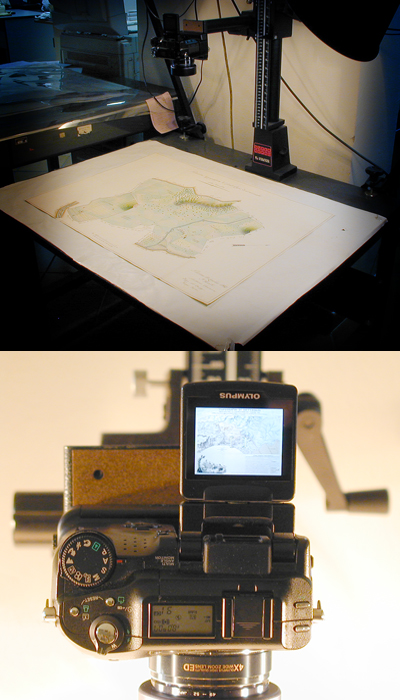
Planetario che una volta sparita poi la pellicola, eccoti sostituito l’asse verticale (stativo) con piano, così quelli della IFF (Industria Fototecnica Firenze) e digitale da padrona. Si vabbè dirà il solito buon “tampone”. Su quella colonna ci sistemammo la Olympus 5060 WZ da micro sensore, che fa senso: in che senso? Nel senso che sputtana tutta l’architettura dei minchiapixel orchestrata quotidianamente dai soliti babilonesi, a debito.
File infine per i tipi della Eni, si avete capito bene, di un loro calendario (starà da qualche parte, impilato del monumentale archivio Manunzio) sul Tecsass ‘taliano in Lucania/Val d’Agri formato fusti di petrolio firmati appunto Eni/Agip. Luogo dove vi arrivarono i Greci da Meta-ponto, poi i mena mano romani fondarono Grumentum, e non la finiamo più.
Viceversa la stampa (calendario) in formato A3 dei file un qualcosa di fenomenale per fattura di stocastica stampa, che fa a meno del maledetto retino. Una cremosità tonale da stampa fotografico e non già tipografica in quel di Milano, tant’è vero che il contafili (usato una volta proprio nelle tipografie a controllo dei registri CMYK, poi sui plasticoni di agenzia alla Grazia Neri meneghina, a verificare i fuochi dei fotocolor detti così anziché diapò) non mente.
Insomma contafili alla mano e vedere (letterale) tanti dettagli su pezzo di carta patinata, da un sensore lilipuziano ma della stratosferica Olympus C(amedia) 5060 WZ roba da leccarsi i baffi, da intenditore. E solito “intelligenti pauca verba”
** Film di sicurezza già dal nome sorta di “fotocopia” dell’originale cartaceo o menbranaceo di animale conservato e preservandolo da “maneggi” e distruttivi, in sua vece la riproduzione filmica a base argento una volta, oggi via digitale, per studi tout court
date » 14-01-2020 17:07
permalink » url
tags » obsolescenza programmata, epson 850 z, olympus c 5060 wz, olympus c 5050, leica brand, fujifilm digitale, ihone 4, 5060, olympus brand, era analogica, era digitale, dark room, agenzia getty images, majoli magnum agency, point and shoot camera, lightroom 5,
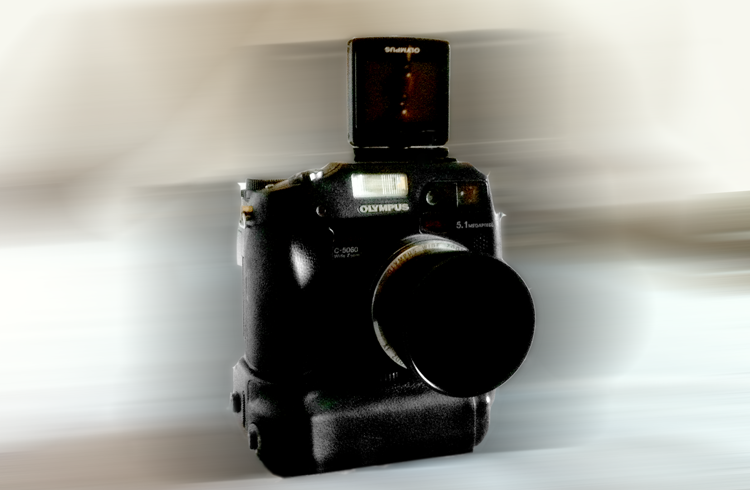
5060 (post obsolescenza programmata)
A non farci caso tant'è l'abitudine, male. Anzi come una bolla che viene dagli abissi si presenta, e chiede conto. E allora non si può far finta di niente, e d'altronde sta scritto: “Date a Cesare...” E sia. Anzitutto i numeri non sono segni grafici, casomai per Excell dei ragionieri di Casoria, quanto e forse presagi. Tant'è vero che se fate così: 5 + 6 escludendo nel caso gli inutili zero, il totale è un bell'Undici: Giustizia numerologica? Può anche darsi e mai dire mai. Siché tolto il riferimento kabalistico, resta la sostanza di una camera fotografica targata Olympus seguente i precedenti, tutti ben risusciti. Vero è che tra gli eterodiretti prezzolati (con famiglia) tra le point & shoot, che qui si narra, è conosciuta più la saga Nikon Coolpix (sebbene antecedente ad esse una Fujifilm veniva proposta per “reportage” e spiace non trovare il numero di Progresso Fotografico che ne trattò).
Sia come sia il ramo cadetto delle “punta & scatta” è stata la palestra tecnologica per le linee professionali: laboratorio se vogliamo. E questo vale anche seppure in maniera limitata in Era analogica quando certe feature comparvero prima in serie “cadetta”.
5060, dunque, e precedente modello 5050 di Casa Olympus, ma che sarebbe fuorviante metterla così, poiché due linee diverse e tutt'altro che antagoniste. La prima con una “dolcezza” per farci di tutto e di più, la seconda con un taglio, senza virgolette, pure escludendo del tutto il settaggio di default, è ineguagliato e con la strepitosa apertura f 1.8 su lillipuziano sensore. E non di meno assimilabile (nientemeno) che a Leica per prova ben più che provata verificata e stampata e poi Majoli docet.
E di nuovo 5060 che l'archivio digitale venutasi a strutturare negli anni (gerarchizzato da vetusto Lightroom v. 5.5) è per buon novanta percento Opera, maiuscola per chi intende, di questa incredibile fotocamera digitale. E del suo booster per due pile inside a creare un attrezzo magnificamente brandeggiabile, di una autonomia spaventevole: giornate intere con il monitor aperto (sebbene la camera ha un tunnel passato per mirino ottico e scarsamente praticato).
Insomma una 5060 conosciuta sin nelle remote pieghe, fatto che ha consentito a Manunzio di essere ciò che vedete, in caso di specie nel Portfolio per esempio.
E per gli schiumanti e biechi prezzolati la pagina della Getty Images è quanto di più eloquente al riguardo: senza se e senza ma. Infine parafrasando l'anglo-napoletano (magistrato) Henry John Woodcock...e fotograf' parlan' co' è fotogramm' oj né!
Ps1 Tranne l'immagine, sul sito Getty richiamato, delle finestre su Epson 850 Z quelle di food bianconero riprese su stellare nitidezza di C-8080 sempre di Casa Olympus, il resto è della “morbidezza” C-5060 Wz
Ps2 Siamo per i confronti arditi, apparente, secondo i codici codificati e prezzolati di Stampa&Regime (con famiglia) del settore. Insomma poco incline a baciapile e iscrizione a Logge cui deriva lo status e lauto conto bancario di fotografo di Regime tout court. Così come in Era analogica non c'è stato sistema (brand) provato e soluzioni in camera oscura (bianconero colore e sviluppo invertibile) provate e sperimentate “controcorrente” per poter poi fotografare con scienza e soprattutto fantasia, parimenti in Epoca digitale cominciata su computer Amiga che la solerte eterodiretta “stampa” misconosce preferendovi una “mela” morsicata cui pure si sta digitando. Siché alla 5060 il passo più che breve in considerazione che la si è usata per la cerimonia di nozze del fratello in tandem con una Epson 850 Z e nel Diary se ne parlato. Insomma più che confronti aridi, fine a se stesso, cognizione di causa come al solito
Ps3 L'immagine a corredo è di un “misero” iPhone 4 con post-produzione in PS Elements quando si è creativi, viceversa Lightroom per fare i “fotografi” di grido
date » 19-08-2018 15:03
permalink » url
tags » minchiapixel, epson 850z, creatività e megapixel, olympus c 5060 Wz, megapixel e matrimoni, leica digital, epson rd1 telemetro, nikon d1, pelo donna artistico,
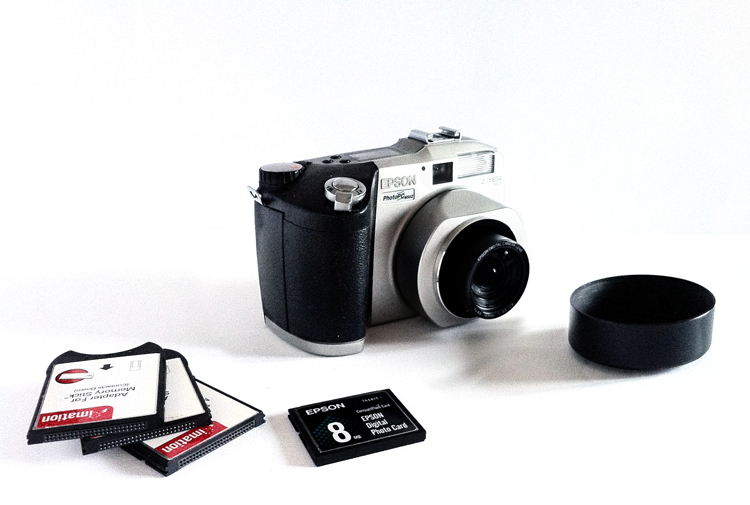
Si certo se n’è parlato già. E tuttavia quelle coincidenze astrali (?!) che ti riportano a richiamare la PhotoPic 850Z così la sigla di casa Epson, che ci aveva provato non solo con la serie point&shoot ma con un superbo esemplare, ante Leica natum, di telemetro a nome R-D1: naturalmente “non capita” dai cosiddetti fotografi forse perché di altra “obbedienza” che così va il mondo incappucciato.
La 850Z delle meraviglie e con soli “due” milioni di pixel tanti quanti la pro D1 di Nikon: vero il pixel più grande…minchiate, ecco. E che se non è accompagnato dal manico del fotografo hai voglia ad allungarlo, il pixel s’intende. Ecco qua perché se ne parla ancora, oggi che in quanto a full frame e minchiapixel che uno dice: e sapete dove metterli se poi gattini miao miao fiori e torri americani di notte di giorno con luna (traversa) infestano il Web. Al netto del pelo (una volta ora son tutte politically in-correct ergo senza pelo vaginale) di donna e/o assimilabile. Insomma un pelo detto artistico: vuoi mettere? Pauca verba paisà
Man
Unsung Cameras Of Yesteryear: The Epson R-D1
Post antecedente e ci riferisce all'immagine
Ps. Oltre a pannelli (!) per mostre per conto del Mibac alias “protettori” dei manufatti antichi et simila dell’Italia, anche un libro eseguito solo e soltanto con files della 850Z. Senza ricordare che anche il matrimonio del fratello è di Epson 850Z e Oly C-5060 Wz, ambedue dette…point&shoot. Alla creatività dei cosiddetti creativi, pare, non esserci limiti
more
Epson.pdf (99.16 KB)
I libri di Man
date » 09-03-2018 09:32
permalink » url
tags » libri affidabili, libri conforto, libri anima mundi, lanfranco colombo, filtri cokin, yashica electro, era analogica, carta fotografica politenata, carta galery barita ilford, olympus lens, olympus e1, olympus e3, olympus e510, olympus c 5060 wz, borsa fotografica, sandro pertini presidente italia, getty images, ernesto salinardi cacagl’ balbuziente, tempo galantuomo, einuaid editore, mac da tavolo, digital generation, libri di man,

Abstract here to speak of books, and their reliable soul, when everything around seems to fall
Nella stanza “bunker” dove ci sono pure le Olympus, su la mensola la sfinita C 5060 Wz dell’archivio fotografico e di ciò che vedete su Getty Images; le analogiche Rolleiflex Yashica Electro ancora funzionate dopo più di cinquant’anni, poi cavalletti stativi dietro la porta, di fianco il divano la borsa con dentro le ottiche Olympus con la gloriosa E1, E3, E510. E più in là una borsa metallica (quella che serviva ai fotografi a bordo campo per starci seduti sopra e molti filmati d’epoca ne dànno conto) servita il giorno che il Presidente Sandro Pertini (un grande) nel post sisma ottanta venne ad inaugurare la tanto attesa Università di Basilicata (dove zitto zitto pure abbiamo tenuto lezioni di fotografia ma non ditelo a nessuno). E ora nella scatola metallica, passata per borsa, c’è di tutto e di più compreso una mini livella: quella da muratori che uso per riproduzioni. E piena di filtri Cokin con ancora attaccato il prezzo in lire, costavano all’epoca un botto e pure di plasticaccia ma con allure della griffe francese e made d’un fotografo, favore di un fotolaboratorio (un giorno venne a tener lezione tale Lanfranco Colombo da Milano, che rimase di stucco davanti le mie trentaperquaranta bianconero, lamentando solo che, noblesse oblige, erano stampate su Politenata e non su Baryta Ilford che pure usavamo) colore del Vulture che adesso non c’è più.
Bunker con il tavolo, a latere televisione panoramix, e l’immancabile Mac, noblesse oblige pure qua, che fa il paio nell’altra stanza del figlio grafico di Sky. Mentre il portatile Winzoze come uso dire, dell’altro figlio l’usa come…televisore: digital generation.
E ancora bunker (spesso dico ai profani che vi entrano di comportarsi come si va in chiesa e il grafico figlio fa l’esatto opposto, chissà di chi ha preso…) della mia Cancelleria lo scaffalone dei libri e paio del dirimpettaio, con Enciclopedie e saggistica fotografica, sopra la mensola fianco a fianco alle Analogiche macchine cui si è detto. Ma più in là, nella nicchia ricavata che prospetta la cucina (non di solo pane vive l’uomo, no?) altra scaffalatura di classici e su tutti la Storia della Letteratura Italiana e Storia della Fotografia per i tipi, uso dire, della Einaudi. Vero che anche il comodino ne è pieno, finanche la testiera del letto, una volta fatta, come minuscolo scaffale, a contener libri anzi la notte. E riviste fotografiche a tonnellate che un giorno ho regalato alla Biblioteca Nazionale del Capoluogo della regione che si (s)fregia alla Giano bifronte di due nomi: uno aulico l’altro da servo curiale bizantino. Biblioteca dove c’è un piccolo reparto di classici su la Fotografia che ottenni all’acquisto con le “buone” dal direttore, che non fiatò anche perché quando doveva riprodurre sue cose le voleva solo e soltanto da me, sebbene fosse circondato di impiegati “fotografi” o in città da fotonegozianti che si fregiavano del titolo, uno addirittura cacagl’ o balbuziente come Ernesto Salinardi, ladro di fotografo; e un giorno lo vidi fasciato la mano armeggiando, immagino volesse aprire come scatoletta di sardine, il suo pisciatur’ (pitale ma qui in senso lato) Nikon digitale che odiava da cacagl’ come tutto il resto).
Libri che quando c’è stato e per molti anni il cielo congiunto alla linea dell’orizzonte con in mezzo chi scrive, e del tutto innocente, han fatto compagnia più e meglio del pane che a volte è mancato per la pusillanimità di “certuni” che oggi sono stati rinviati a giudizio. E poi certi altri, sodali di quelli, non pensano che il Tempo è Galantuomo. Sempre!
Man
Behind the scene
date » 19-02-2018 12:23
permalink » url
tags » pozzanghera, runner, olympus compatta, olympus c 5060 wz, cielo coperto, coda occhio, archivio fotografico, behind the scene,
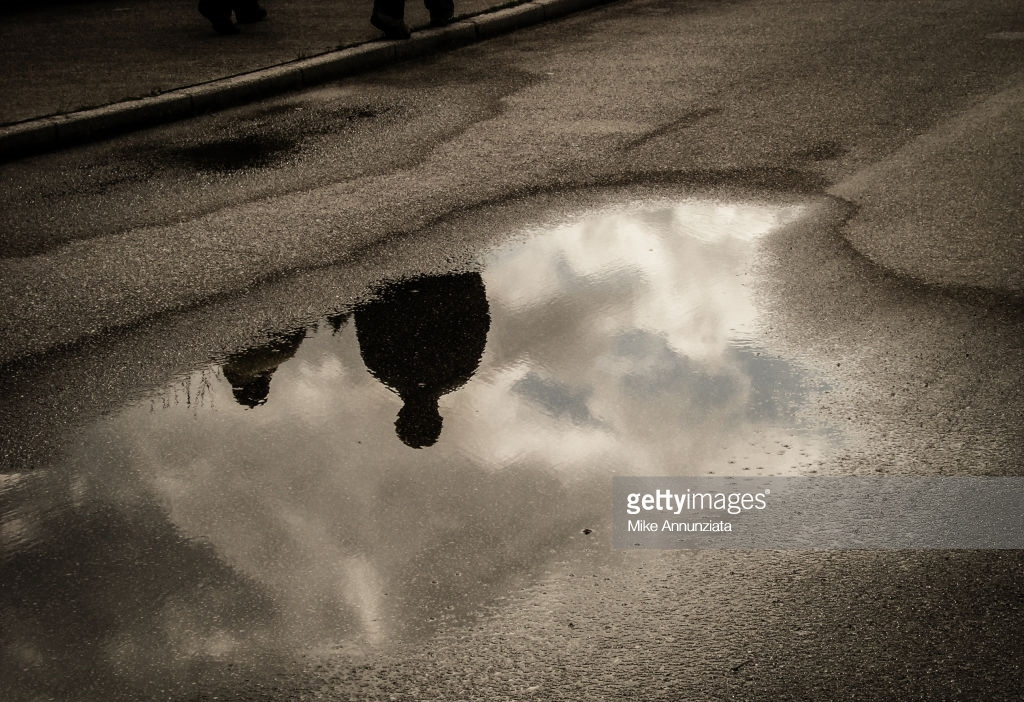
Abstract two runners enter in scene exactly when you shoot a puddle after rain in any day
Ma sarebbe meglio dire davanti. Un luogo “immaginario” frequentato in ogni tempo a pochi minuti di macchina. Pozzanghere altro tema per riempire l’archivio fotografico: certo alla Man altrimenti sarebbero fotocopie di fotocopie già viste.
Insomma a primo acchito pare l’immagine venuta fuori a caso (colpo di culo?) Sebbene di così ne avremmo almeno un centinaio. No, casomai immagini così le ottieni se si va in giro leggeri e senza borsa del “cacciatore d’immagine” e una compatta, precisamente la Olympus C 5060 Wz, senza la quale hai voglia a fare lodi di pixel (minchiapixel?) e risoluzioni. E anche perché “Ogni lassata è persa” vabbene il motto si riferisce ad anatomia alquanto umida e femminile…ma nel caso ci azzecca.
Per finire mentre l’occhio inquadrava la pozzanghera con la coda dell’occhio, su la sinistra e ancora fuori campo, due runner con scarpe da ginnastica, soggetti più interessati allo jogging e se ne vanno adagio presi e in tutt’altre faccende. E in questo caso che si fa? Aspetti poi il resto viene da sé
Man
Ps. Più che l'indicazione "stradale" del luogo cui siamo poco interessati è il soggetto pozzanghera (il suo riflesso) ripreso da altra angolazione che fa la differenza
