
date » 13-05-2024 10:34
permalink » url
tags » piacenza fotografia, fotografia moderna america way of life, tempi moderni, tumberwald, amarcord, elezioni europee 2024, von der leyen voti cinque stelle,
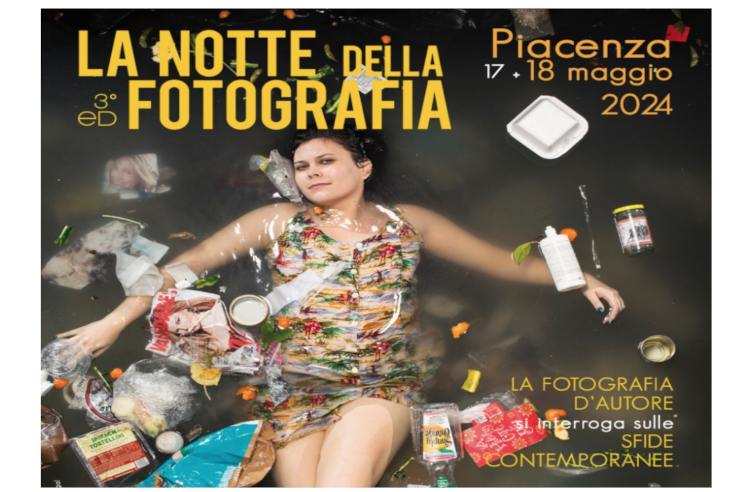
Uhm...
Ah che bello la copertina di liquami in senso lato con una donna mezza affiorante (posa inguinale invitante per pesci nei pressi ma dotati di scafandro data le acque, pur se e forse un tempo lontano erano i condom) non ancora morta e decomposta: che peccato. Sì, uno di quei idioti scimmiottanti Preraffaelliti annegamenti di stampo British, almeno così ci pare di ricordare; ma lì c’era un senso o meglio una ideologia vittoriana delle Compagnie Indie (al netto di Gandhi) e tutta la prosopopea anglo-sassone cui oggi s’accontentano di mandare bengala-missili su la Russia: che s’adda fa p’ campà di nostalgie e tazza di the at five o' clock: lemon or milk, sir?
Spazi storici di Piacenza, eh, la Fotografia. Pensa te come sarebbe oggi la Milano-faro da bere se via Afip m’avesse dato retta: chi vede oltre il promontorio del proprio naso. Ma tant’è. E oggi che la bella stagione indora, eh reminiscenze scolastiche di poeti andati, la “signora” fotografia si vende anche e soprattutto di notte...uhm. Piacenza che sembra quei calembour di Totò ferroviere, scambi e coincidenze. E sia ché tutto fa brodo e poi ci sono le elezioni: dite? M'immaginavo la vostra poco scarsa o niente perspicacia (intelligenza?) eppure è così: Amarcord. Vabbene questi piacentini sono un po’ a nord e meno turbolenti dei correligionari a Sangiovese e braciole, romagnoli di riviera riminese. E pur sempre “ricordosi” del tempo, sicché cosa c’è di meglio che il richiamo al “bel tempo andato” dice il liquame politico per Bruxelles? Qui a due passi da dove si verga, oh iddio ne è scappato altro termine aulico perché ho andato a squola come si vede, l’equivalente T’arrcuord’ compà. Tutta ‘na festa che l’Europa chiama e stringiamoci (chi?) a corte della ri-probabile nazifascista-sionista Van Der qualcosa.
Fotografia, infine, del Nulla in stile prettamente Amerika way of life. La K paisà sta per killers!
Sit vobis terra levis. Amen
Ps. L’altra volta ‘ggino ‘o bibitaro ex San Paolo in Napoli via Beppe Grillo portò in voto (stile ex-voto) un bel numero di voti per la nazifascista richiamata: mo’ ca ‘ggin’ nun ce sta chiuù chi le port e vot’ a sta grande z...elota del Pensiero Unico?
date » 10-05-2024 11:29
permalink » url
tags » myphotoportal condominio cito, fotografia analogica, pellicola invertibile kodak per 64, slide film kodak 64, tempo rivista fotografia, allunaggio televisivo, storie di carte, fotografo francesco cito guerra afghanistan,

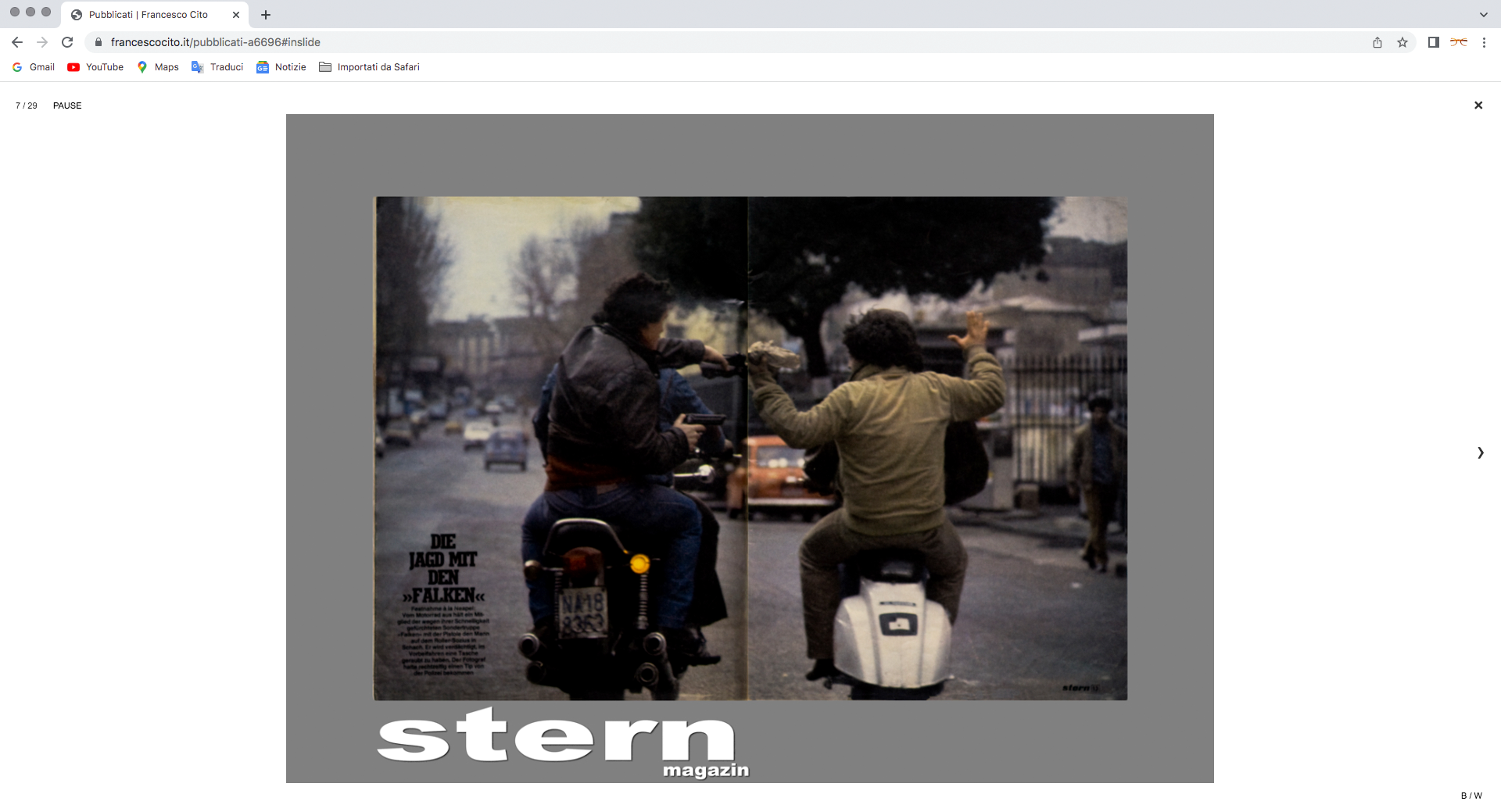
L’immagine a sinistra è una pagina di cm 24 x 33,5 base e verosimilmente scattata dal fotoreporter Francesco Cito su Ektachrome Pro (fisime e chi scrive ne ha avute proprio così) o men che sia Iso/Asa 64. E oggi la si direbbe poco definita, sgranata senza meno. Eppure non guasta affatto.
Immagine di una pattuglia motorizzata di Sbirri napoletani che affianca una vespa cinquanta di pover’ maraonn’ di guaglione corrieri della droga: pesciolini che si posso mettere, per l’appunto, in prima pagina. Tempo di nome e di fatto, rivista che durò lo spazio di un mattino, sebbene il colophon/timone porti la prestigiosa firma al Coordinamento immagine di Uliano Lucas, per gli imbecilli italiani, caciaroni analfabeti di andata e molto ritorno grazie alla tonaca nera (!) di Vaticano Spa e quella melassa (intellettuali del menga) prezzolata, con ancora in tasca la tessera dei “tengo famiglia” a nome Pci (terminerà sua esistenza di Partito Comunista italiano rosso-luciferina cinque anni dopo l’immagine di Cito,con il crollo del muro di Berlino, Anno Domini 1989) già sguazzante liquame del Kapitale da impallidire le etere greche, a pagamento ben s'intende
Era ora che un po’ di serietà fotografica re-apparisse sul condominio Myphotoportal che troppo spesso rimanda, ecco, voci, di queruli ed inutili fottografi: sì, raddoppio come gramigna, o nel caso di specie, edera che dove cresce s’attacca (!) o di chi manco sa declinare, in italiano, le proprie generalità figurasi a tenere in mano un apparato per l'appunto fottografico. E vive il tapino fesso e cuntent’ supportato pure à la page da Myphotoportal. Allora il Cito fotografo d’antan, che almeno sa quel che fa: vi pare poco? Ma per niente a fronte dei richiamati con doppia “f” che non sta per traslato F, bensì proprio: fessi alla napoletana. E pure alla pugliese, abruzzese, lucana: fessi e basta!
Senza farla lunga, Cito dalla sua Home ha discreta pretesa di dire qualcosa se ci si sofferma un attimo e senza “zappare” come ci insegna, ecco, Mammasantissima televisione o lo “scrollo” infinito dei tablefonini: sempre sia lodato Steve Jobs. Amen.
Tuttavia a scanso di equivoci di Cito non ci piace granché per il fatto d'essere fotografo embedded e che non avrebbe mai potuto far carriera onori prebende e quant’altro senza inchino (novanta gradi?) alle Centrali del Pensiero Unico: anglo-american-sioniste. E ognuno s'è detto tiene famiglia
Ps1 Tempo, mensile edito da “Tempo Illustrato” fu l’inutile accanimento terapeutico per rianimare un’idea fotografica tutt’altro che peregrina, visti i precedenti di Panunzio & Co. dopo guerra. Non ancora visibile sui radar la “rivoluzione” dal latino malandrino re-volvere, di Internet e compagnia bella, tuttavia il Grande Moloch Fratello (che grado rito scozzese?) Televisione con sue “dirette” vedesi l’allucinazione mondiale del cosiddetto “allunaggio” se ne riparla quando esce a breve il “remake” ancora in mondo visone cinematografico però, mise pietra tombale su la cosiddetta “carta” stampata si capisce
Ps2 Cito di tre-cotte, il fotografo, si fece il suo tour, nascondendo bene bene le sue fotocamere sotto i baffi e barba posticcia, turbante afgano bastone del viandante e quant’altro. Suo fotografare era mettere alla berlina il compagno Ivan, quando c’era ancora l’Urss dei compagni russi, ecco. Sì, sputtanare l’Armata Rossa che invadeva il povero (!?) Afghanistan di papaveri oppiacei e avvertiva Israele della prossima aria: quel che adesso è il Genocidio di Gaza e non solo. Tuttavia, morto un papa se ne fa un altro quando arrivò con squilli apocalittici il 7th Cavalry Regiment (lo stesso di Ombre rosse-Stagecoach). I soliti esportatori e benevoli e buoni, di democrazia. Stesso suolo stessa fine in quel Afghanistan con i cargo americani che decollano (Saigon, Vietnam 29 Aprile 1975, dixit) con afgani attaccati alle ali! Talebani già eterodiretti Cia-Mossad e prima combattuti a chiacchiere, ipso facto promossi alla guida del martoriato paese (alla faccia degli uteri marci di verminaio che blateravano contro il Burqa che le donne lì fregava di meno) non prima che sottobanco prebende agli anglo-americani-sionisti in formato polvere-papavero
Ps3
Quando comparvero le immagini su Stern, i nazisti germanici le provarono a suonare ai camerati fascisti orfani di Mussolini: spaghetti people vs mangiatori di krauten. Gazzarra studiata da ambo le parti a tavolino e brindisi con champagne, di quello italiano però
Reportage Cito, Napoli[/center][/font2]
date » 06-05-2024 16:28
permalink » url
tags » storia fotografia, linguaggio fotografico, fotografia tutti, tutti fotografi, calvenzi fotografia, società e fotografia umida, thumberwald,
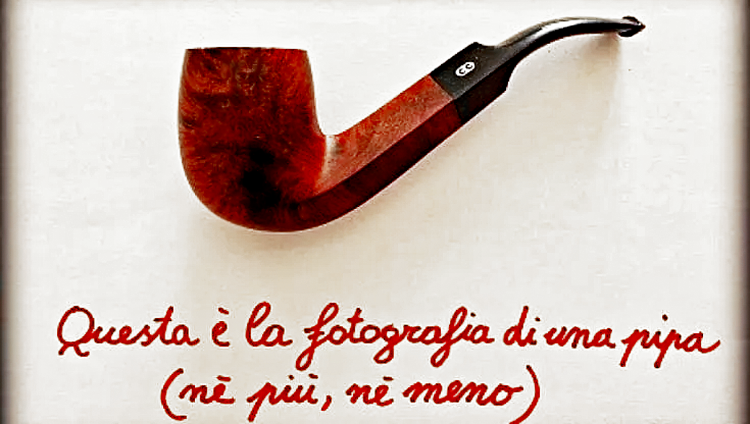

La fotografia è coetanea, anzi è sorella di sangue dell’era della rivoluzione industriale, del capitalismo imperialista, degli stati nazionali, del colonialismo, della mercificazione integrale del pianeta...
(https://www.repubblica.it/cultura/2023/06/16/news/la_fotografia_e_morta_fotocrazia_ritorna-404726934/)
https://www.facebook.com/watch/live/?ref=watch_permalink&v=545783170715762
date » 04-05-2024 12:06
permalink » url
tags » gordon parks photo, storia fotografia, fotografia analogica, america dream, agenzia magnum gordon parks, nati non foster,
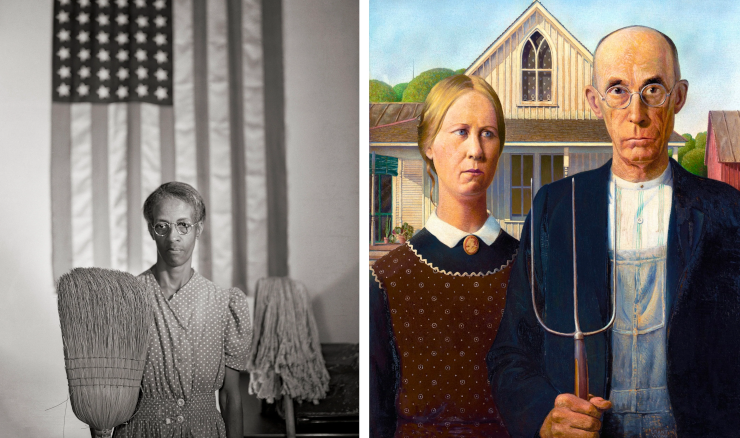
Gordon Parks, American Gothic
(https://www.youtube-nocookie.com/embed/E4eX0ZLgfQo)
date » 03-05-2024 12:13
permalink » url
tags » mimmo jodice fotografo, fotografia analogica, fotografi italiani, fotolibri, libri fotografia jodice,

"Ecco, dice Mimmo, quando si fotografa bisogna sapere fermare il tempo,
senza che lui se ne accorga. Altrimenti si vendica. E distrugge quello che fai"
(https://www.raiplay.it/video/2023/12/Un-ritratto-in-movimento-Omaggio-a-Mimmo-Jodice-638cdde7-e793-4907-9c0c-ab201a48909b.html)
date » 02-05-2024 11:32
permalink » url
tags » aristotele immagine anima, fotografia codice linguistico, a vole, nati non foste, tumberwald, eugenio montale non chiederci, silenzio cantatore,
A volte scrivo e poi cancello, forse qualcuno (!?) si è chiesto il perché. Semplice se sono immagini scritte che van, comunque, oltre l’umana “standard” concezione del Mondo cosiddetto: il circondario codificato e presentato in forma di pappina-semolino per gli acefali a telecomando. E sia. Se cancello le immagini fotografiche del post, qui la cosa è molto più profonda. E parliamo di “immagine” con virgolette più che necessarie. Ora pensateci già Aristotele ci ha avvertito, o ricordato fate vobis, che “L’anima non agisce senza immagine”. Largo da intendersi si capisce. Ma qui su Manunzio.it d’immagine pura & semplice ci si occupa o ci proviamo.
Breve immagini che lasciano il segno come quei profumi penetranti anche se ci mettete giusto una sola (non alla romana, forse) goccia sul topos deputato: pelle e cosa sennò? Altro qui non ci riguarda.
Immagini a dirla tutta che lacerano l’anima, ecco, e oltre non è lecito per i non iniziati a grammatica e sintassi del caso in res.. Insomma dove la decodifica dell'immagine a più livelli, qui Manunzio, è pane per menti, diciamo, molto fini che di sti tempi omologati...terminiamo qui
Non chiederci la parola che squadri da ogni lato
l'animo nostro informe, e a lettere di fuoco
lo dichiari e risplenda come un croco
Perduto in mezzo a un polveroso prato.
Ah l'uomo che se ne va sicuro,
agli altri ed a se stesso amico,
e l'ombra sua non cura che la canicola
stampa sopra uno scalcinato muro!
Non domandarci la formula che mondi possa aprirti
sì qualche storta sillaba e secca come un ramo.
Codesto solo oggi possiamo dirti,
ciò che non siamo, ciò che non vogliamo
E. Montale
date » 30-04-2024 12:18
permalink » url
tags » camera oscura analogica, stampa fotografica analogica, era fotografia analogica, stampa bianco e nero, stampa inkjet, differenziata smaltimento, paradigma universale,
COMMA 22, IL VERBO...DIO
Paradigma universale
Sperimetazione in primis. E sentire certe cose non sorprende affatto. Certo segnatamente qui della stampa inkjet, che a dirla tutta a meno di essere delle teste di c...ocomero il risultato lo si ottiene con le buone o le cattive, inteso fra pre-tarature e profili questo è quello. Tuttavia non è di questo che qui si continua a scrivere. No, Il paradigma è proprio il fatto che, oggi come oggi, di tecnologia in tutta l'accezione possibile e immaginabile, ci si abbuffa. E quando il ventre, ecco, e satollalo all'impossibile che i numeri vengono fuori. E non sono certo terni quaterne o gratti e vinci, no. Sono di quelle immagini che scorrono a monitor, di tubo più o meno catodico o schermettini iphoneschi su cui farci di tutto: manca solo la presa per il caffè e non tarderà pure questa feature.
Sperimentazione e due che è, infine, una squisita contraddizione delle “sorti magni + fiche del Kapitale” (sempre k come killer). Proprio così il compulsivo usa e getta. E invece è l'esatto opposto. Si certo qualche prova. poi però se il giocattolo, di nuovo, non da soddisfazione non meno che assuefazione, il bambino lo butta anzitempo e obsolescenza programmata, il giocatolo e non è detto che...a meno poi di farsi nelle vene, sempre il bimbo! Lato traslato o come ve pare. Prova e riprova per chi viene dall'analogica camera oscura, sa di cosa si parla. Stampa e finiamo che aveva/ha bisogno di molteplice “prove” per essere padroneggiate, cui in seguito grandi soddisfazioni che non si ottengono leggendo o youtubando questo e quest'altro guru eterodiretto e prezzolato...Vabbè di più non so: fate come vi pare!
(Copia & incolla se vi pare)
https://www.youtube-nocookie.com/embed/Y5qVIR2XGLY&t=174s
Ps. Ammesso e non concesso: una volata “imparate” le regole tout court poi con pari zelo, sì, vabbé le buttate nella differenziata, caso a caso si sa mai
Pss. Il titolo sarebbe dovuto essere "Comma 22" del disegnatore strips Bonvi & Sturmtruppen (ricavarono anche un film con Renato Pozzetto) e per chi vuole se le cerchi sulla Rete delle mirabilia, ojné!
date » 29-04-2024 16:17
permalink » url
tags » fotografia moda, paolo roversi fotografo, ritratti paolo roversi, top model paolo roversi, luce paolo roversi,

Paolo Roversi:
“Faccio il fotografo da cinquant’anni, ma in fondo sono sempre lo stesso bambino”
(https://www.raiplay.it/video/2023/02/Paolo-Roversi-Il-sentimento-della-luce-d5473193-211d-482d-9aff-6a6f8d46cf92.html)
date » 28-04-2024 16:15
permalink » url
tags » festa lavoratori, primo maggio lavoro, partito comunista italiano, portoghese modi di dire, fotografia analogica, contax rts, zeiss cinquanta millimetri, durst ingranditore 1200, carta ilford ilfobrom, sviluppo microphen ilford, federazione galattaica,

Alla mia generazione, sì, vabbé...
...avanti, il gran partito
noi siamo dei lavorator
rosso un fior c'è in petto fiorito
una fede c'è nata in cor
Noi non siam più nell'officina
entroterra, nei campi, in mar
la plebe sempre all'opra china
senza ideale in cui sperar
Archivio Manunzio. Era digitale. Contax Rts. Zeiss lens 1.7. Hp5 Ilford film in Microphen Ilford. Ilfobrom Ilford su Durst 1200. Festa dell'Unità e Giovanni puntuale veniva a chiedere (manu militari) di stampargli a gratis, ecco, questo e quello per il Partito (per dove non si è mai saputo). Giovanni, eh grembiuli! Emblematica immagine aldilà, ecco, della recinzione di Villa Santa Maria Virgo Virginis di questa landa, il gotha cittadino regionale e federazione: galattica del Pci. Aldiquà, ecco, una persona anziana (uscita forse dal Raffaele Acerenza, Ospizio ad hoc) che dal latino sta per maschera preso a vedere di cosa tratti la scena di politicanti addetti ai lavori: traffici, mazzette inzuppate di marxismo-leninismo annacquato alla Berlinguer (Segretario Pci) di quella fuffa a nome Eurocomunismo, insieme a francesi spagnoli e portoghesi, quest'ultimi per chi capisce la sottigliezza. Vabbene per gli analfabeti di ritorno, figurasi l'andata, la cosa prende nome un dì si capisce, dal fatto che durante festeggiamenti dell'ambasciata portoghese in Roma i portoghesi quelli veri, ecco, erano esentati da pagare alcunché (quanto a questo eccellono gli italioti: ieri oggi e di diman' non v'è certezza, forse). Avanti il carro davanti buoi, che han corna, si capisce...'taliani? Brava gente!
"Fare il Portoghese" di Francisco de Almeida Dias
La brutta fama che i Portoghesi hanno guadagnato a Roma, quella di entrare nei posti senza pagare (significato comune di questa espressione), è totalmente ingiusta ed ha una giustificazione storica che riscatta la fama che il popolo lusitano ha dappertutto, di essere gente umile ma onorata.
Succede che non sempre siamo stati umili… Una volta, al tempo di Giovanni V il Magnifico, il Portogallo era considerato una delle nazioni più ricche d’Europa, vale a dire del mondo di allora. Infatti, il XVIII secolo fu tempo di fastose ambasciate al papa, quella del Marchese di Fontes (1713), e quella di Mello e Castro, Conte di Galveias (1718) – quest’ultimo abitando vicino a Piazza Argentina.
Probabilmente fu lui a realizzare a Teatro Argentina degli spettacoli ai quali, naturalmente, la comunità portoghese residente a Roma, per entrare, non doveva pagare il biglietto. E così, con la furbizia che gli è caratteristica, il romano che voleva entrare senza pagare negli spettacoli faceva finta di essere portoghese…dichiarandosi: so' portoghese aò famme 'ntrà che ci ho pure a famija e mi madre e mi padre a sorella er cognato con i fii suoi a comare del pianerottolo...sora Lella
Ps. Manunzio ha avuto mai tessera del sottobosco politichese, anzi, per i fortunati e dai tratti status symbol, una volta si sarebbe detto "intellettuale" organico alla famiglia Pci con cadenza sicula; cui derivava carriera, yacht come Massimo D'Alema (che da vecchio compagno vende armi tipo "Finché c'è guerra c'è speranza" film precursore del Sordi nazional-popolare) o l'iscrizione massonica al Club di Roma come pare al furbo di treccotte Walter Veltroni, e non la finiamo più
date » 27-04-2024 17:00
permalink » url
tags » fotografo atget, fotografia banco ottico, fotografia analogica, grandi fotografi fabbri editore, fotografia francese novecento, storia fotografia, cancel culture sara munari, photoshop elemnts manunzio, nati non foste, a dirla tutta, fotografia bianco e nero, berengo gardin fotografo, regista fotografo abbas kiarostami,
A dirla tutta: boh. Partito da un pizzo (niente siciliano, quanto locale da “un punto, da una parte”) simm’ arrivat’, di nuovo a boh.
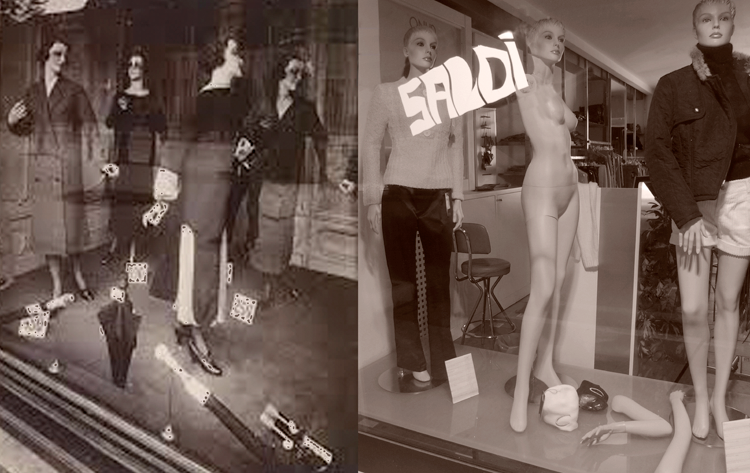
Lightroom va. Una cartella di cose che poi diremo a suo tempo in Mondovisione, e Manunzio non fa chiacchiere. Dunque immagini prese per strada e di notte: vetrine. E a dirla tutta, ancora, se non avessi avuto quel piccolo mostro a nome Olympus C 5060 Wz l'archivio digitale costruito in un Ventennio manco l’ombra: in Italia è uso misurar il tempo ventennale, e noi senza fez nero ed Eja eja alalà di fascista memoria ne facciamo a meno.
Dunque una immagine in particolare richiama, come in gioco di specchi, un’altra di qualche “giorno prima” mettiamola così: Novecento, Parigi, Monsieur Eugène Atget. Un Eugène prima di quell’altro, americano. Certe assonanze. Certe fine: morti in canna tutti e due, quanto dire.
 Sia come sia, dopo aver faticato non poco a Pshop Elements (sempre per dilettanti e Manunzio, dicono, fotocopia è) per aggiustare certe scritte sin troppo invadente il risultato pare discreto. Ma è pura assonanza, si vede, tuttavia, che il “modulo” daje e daje, vedi e rivedi è rimasto inconscia traccia: neuroni specchio?
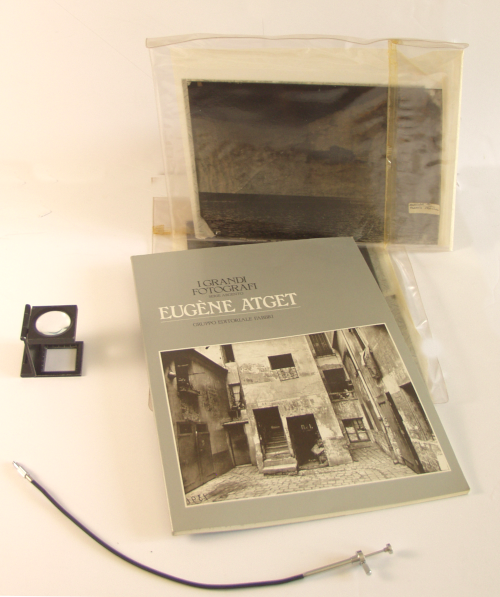
Assonanze, quindi, il terzo e sotto si riporta i precedenti due. E prima di finire due cose: la prima Atget in pubblicazione dell’allora Fabbri Editore (dite come ve pare ma dare dell’ignorante patentato a Manunzio potrebbe costarvi un...stramortax con annessi e connesso, lassù qualcuno strano ma vero ci ama, mah, e qualche fulmine potrebbe...uomo avvisato) e mai più ristampato ché si offende la Munari & Co e lor dogma detto Cancel Culture.
Secondo ma non troppo in scena delle lastre, letteralmente, di vetro in formato 18 x 24 non dissimili da quelle usate da Atget. Hanno una novantina di anni, quindi non le ha riprese Manunzio ma è storia che purtroppo non è lecito qui narrare, mentre declinava a questa vita l’Atget francese che fotografava al di là del bene e del male e lo comprendo benissimamente bene. Assonanze, no? Sì
https://www.manunzio.it/page-d14146
https://www.manunzio.it/page-d14186
