
date » 20-04-2024 20:18
permalink » url
tags » pixel fotocamere digitali, fotografia digitale, psicologia visone, minchiapixellisti, minchiapixel, brand apple, stitching fotografico, canon d 20, codifica tiff, immagine jpg,
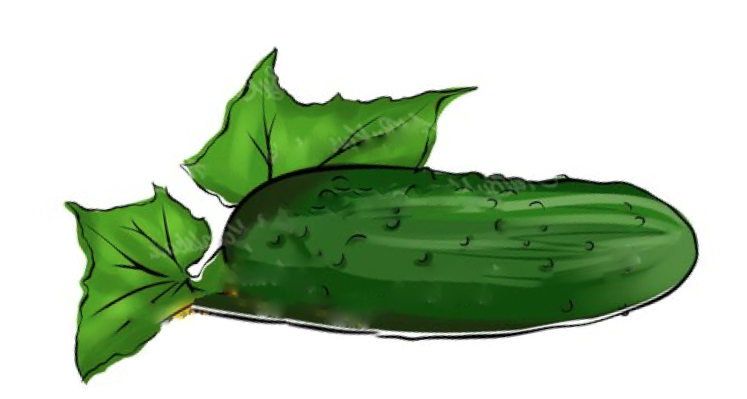
Qui lo dico e qui l'annego
Stop and go secondo ciclo...lunare. Feature che se non ce l'hai sei out, ma pure se installato di serie e...
Fuor di metafora, poi mica tanto, uno di quei fattarielli per “abboffare” di pixel che non ci sono ma un algoritmo, appunto abboffa. E il pensiero corre in primis a l'Hasselblad** che porta(va) la “risoluzione” delle sue digitalcamere a duecentomilamichiapixel partendo da quarto (na gazzosa, roba da cantina-osteria per addolcire l'asprigno vino sin troppo popolare a buon mercato).
Sia come sia a noi, e due macchine: Pen F di Olympus che già di suo fa mirabilia, però per essere à la page con il restame moltiplica, non i pani e pesci evangelici, i pixel “slittando” quel tanto da avere su lo stesso spazio, diciamo così, dueminchiapixel al posto di uno di altissima risoluzione. Direte: minchiate? E di questo stiamo parlando: a piene mani.
Sicché oltre la Pen F richiamata l'altra mirabilia, sempre altissima risoluzione, la più che perfetta G9 Panasonic: performate attrezzo. E pure su sta stupenda digicamera, al solito bistrattata con sta storia del fuoco che se ne è già scritto, a riprova che la giostra deve fare ammuina per accalappiare il minchiapixellista. Sia come sia gli ottanta megapixel sempre d'altissima risoluzione: e siamo a tre, a seconda se codifica Jepg o Raw ve li gustate a monitor e lì finisce. Infatti gli scatti, vale per tutte le digicamre e tablefonini, per il 99% terminano su gli schermettini di smartphone: Mela & Andoid che pari sono.
Ora se vi venisse (accidente?) lo sghiribizzo, voglia, di stampare un tascabile (!) seimetripertre con l'attuale tecnologia di stampa, la proboscide naso per vedere i pixel lo dovreste mettere dopo aver sfondato letteralmente la “piccola” immagine; sempre che alcuno ha coscienza e conoscenza di tecnologia nonché, forse soprattutto, di quello strumento a nome occhio (umano?) che poi tanto perforante non è, prova ne sia che in caso di specie a lunghe distanza non capisce (vede) un c...artellone figurarsi il resto. No eh? Provatevi a fare un giretto in autobus, si quell'arcaico semovente, causa traffico, cittadino che vi porta da una parte all'altra della città a modica cifra, e ne siamo stati ossequianti utilizzatori. Bene, dai finestrini, in movimento, distinguereste i pixel a stampa del “piccolo” seipertre e tacer di altre lunghezze di réclame? Se sì siete d'altra dimensione spazio-tempo, forse Marziapuffi, e allora: chapeau. Noi miserrimi bipedi non possediamo ancora mirabilie ibride di rob, tipo Terminator va. E ci si deve accontentare.
Tutta sta cosa e poi? Il solito contrordine compagni: i 'mericani che ci hanno il ballo di San Vito nel loro DNA, devono freneticamente fare e disfare allo stesso tempo. Minchiate, no? Sì...e la fottografia è altra cosa, specie e soprattutto scritto con una sola effe!
Nb. Abboffare, riempire a dismisura. Già fatto cenno altre volte il conio ex novo di Manunzio circa il “lemma” minchiapixel/ista, è dal siculo attrezzo maschile per antonomasia messo, ecco, dentro il vocabolo pixel, che poi sarebbe: P x El esoterico
A load of old pixel shift. Why I just don't care for high-res modes
https://www.dpreview.com/opinion/6915548723/a-load-of-old-pixel-shift-why-i-just-don-t-care-for-high-res-modes
**https://www.pmstudionews.com/x-rite/news-e-colonna-infame/news/hasselblad-h6d-400c-multiscatto-ad-altissima-risoluzionee android,manifesto stradale,olympus pen f,panasonic g9,qui lo dico,hasseb lad digitale
Ps. Scatti ad “altissima” risoluzione si ottengono e bene anche con una banale D20 Canon di qualche anno fa, quando riprodussi e ancora e sempre come un girone dantesco (non ci fu verso a dotarsi, tanto il direttore che suoi lacchè, di un Hd per lo storage!) carte antiche dell'Archivio di Stato di questa landa: banale stitching da impallidire i burocrati ministeriali notori per non capire nulla se non eccellere nell'uso di Excell, sì, money brevi manu: mazzetta. File “cucito” e serviti per l'abbisogna. Al riguardo un imbecille professore, ci teneva oh se ci teneva come una Munari qualsiasi, d'una associazione “culturale” cittadina richiedeva da pappagallo: Tiff a 300 Dpi. E non c'era verso di fargli capire altro, per tacere di quel bestiario pascolante nelle tipografie. E fra bestie ci si capisce!
date » 18-04-2024 17:02
permalink » url
tags » ttartisan 50 mm decentrabile, decentrabile contax, nikon brand, olympus per f, micro quattro terzi, rollei sl 66, brand hasselblad, fotografia architettonica, fotografia still life, taralli portoghesi, photoshop elements, helicon focus, stitching panoramico,
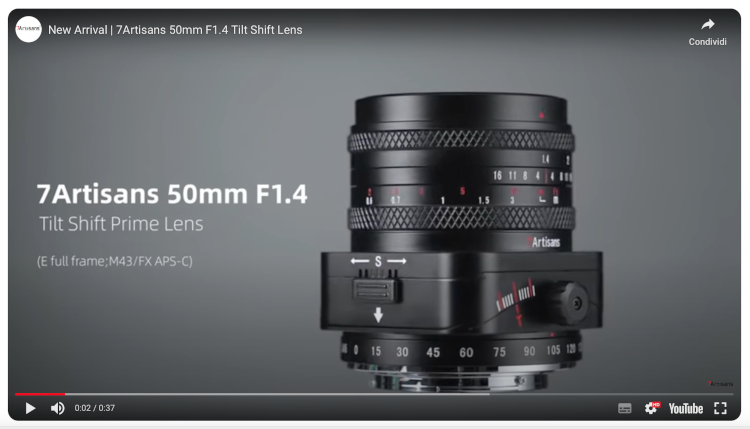
Taralli portoghesi
Buoni che è una delizia: immaginazione. Ora qui su questo Diario fatto di bottiglie messe in biglietti, ecco, l’immaginazione è al Potere come dicevamo negli Anni Settanta, quanto a Manunzio, eh avessi voglia!
Ora finito il cappello viene da osservare che i “taralli” qui han forma di lenti e della più che buona linea TTArtisan. Senonché da le sue linee un obiettivo Scifi & Tilt. Bene pure qua, solo che è un 50 millimetri e addirittura di luminosità unoequattro. Si sa che al calar delle tenebre di notte la cosa è buona assai. Forse.
Terminato il secondo pistolotto, sembra il grano del rosario dei Misteri Misteriosi. Obiettivo decentrabile: e per farci cosa? Quelle macchiette girate poi a velocità elevata che fa tanto ma tanto effetto termitaio, formicaio e via così? Se è per questo basta impiegare qualche attimo in Pshop & simili (meglio se editor movie, eh) e sparagh’ (risparmi soldi). Se poi, metti caso, s’usa una Olympus Pen F, l’interno ha la funzione che “emula” lo spostamento, che una volta serviva a far si che in architettura certi edifici non fuggissero otticamente in fuga verso l’alto innaturale: l’umana testa ha già incorporato simile ebrezza ottica e adderizza (raddrizza) le linee verticali innaturali, entro certi limiti si capisce. Ma tutta sta ammuina, ché di questo si tratta, la farsa dello shift (standarde) a dirla tutta si usa(va) su banchi ottici. Vabbene in Era Analogica, metti ancora l'imperante Nikon e saga F dal banco si infila il film 135 o Leica codice che dir si voglia, lo “slittatore” spesso ventottomillimetri (Olympus analogico ventiquattro) serviva anche per piccoli still life panfocus, lungo a dirsi uno scatto il farsi. E se proprio non si poteva portare a spasso il banco ottico la Hasselblad** aveva un accrocco (adattatore) simulante lo “slittamento ottico” per l’abbisogna. E la Rollei SL66 incorpora(va) il soffietto-piastra-ottica ergendosi e reclinando dopo l’uso, ovvio, torna(va) utile.
E sia: usavamo il trentacinque millimetri decentrabile su le nostre Contax dal costo iper-sproporzionato (e ci si lamenta delle lenti Leica!) con il limite d’essere corto. Tanto è vero che il trentacinque, e non solo su Leica, è quasi un obiettivo “normale” per chi capisce di fotografia.
Allora TTArtisan a slittamento varrebbe pena attrezzarsi con il limite d’essere pur sempre un cinquantino su le pieno formato o Full-frame. Impossibile su Aps-C pari poco più poco meno di un settanta millimetri; fuori dalla grazia di Iddio su Micro Quattro Terzi ché paragonabile, si noti paragone eh, a cento-millimetri. Troppo pure per still life alla buona. Soldi buttati. In primis e con Pshop (usiamo da incalliti dilettanti, ci dicono, la versione che sono dieci anni a nome Pshop Elements) si fa quel che si vuole, tanto chi se ne accorge a schermettino di iPhone o Android che dir si voglia? No eh. Tanto in Pshop quello “serio” che in programmi tipo Helicon Focus, che fa ottime cose per prova provata, oltre a pareggiare i conti (piani) con diaframma buono a F. 8 in più scatti si fan still life da leccare i baffi: Munari lei ce li ha?
Certo infine con “cucitura” (stitching) di più fotogrammi in ripresa esterna in post-produzione avessi voglia addrizzà chiuov’ (intraducibile, altrimenti…) di Squadra & Compasso per foto perfette di architetture “fuggenti” come l’attimo dell’omonimo film. Ma banale domanda: TTArtisan, passato nelle mani dei markettari vi fa fare (produrre) immagini che dicono qualcosa? Che strano silenzio…li fuori!
NB. Esula dal presente post ciò che alcune digicamere riesco a fare già al loro interno: panfocus o "tutto a fuoco" di un dato stili-life etc
**https://www.hasselblad.com/h-system/accessories/hts-15-tilt-and-shift-adapter/
(Copia & Incolla se vi pare)
https://www.youtube-nocookie.com/embed/BIjYFFn_Pvs
https://www.youtube-nocookie.com/embed/zqQsTlD7SlI&t=20s
Ps. Tarall'- tarallo - tarallaro è da intendersi in maniera ironica come uso in dialetto: ten' u tarall' 'mman' etc
Pss. E' solo "basculabile" e non anche "decentrabile"...serve solo a portare tutto a fuoco o fuori fuoco per effetti "formicaio". Non sono come le ottiche del caso Canon
date » 08-03-2024 17:22
permalink » url
tags » ilford giornata donna, donna fotografa, fotografia paesaggio, scatto fotografico grande formato, pellicole ilford, agfapan 1000, formato 120, hasselblad, rolleiflex biottica, moka espresso italiano, sekonic esposimetro luce riflessa, châssis pellicola analogica,

E vabbene un’ancella della Dea Madre, fotografa, siamo buoni in questa giornata che sia ringraziato una qualche Potenza Numinosa volge al termine a nome otto marzo. Ahi, però. Il video è in sé divertente con due perle: prima mai e poi mai i rulli 120 vanno aperti al volo e poi introdotti nella Rollei del caso, Hasselblad pure etc. E questo perché: piglia e ti scappa di mano? Secondo non meno importante con il banco ottico l’ottica va sempre (senza se e senza ma) protetta anche con il volet dello châssis pellicola che fa ombra; estrema ratio il palmo della mano contro sole o sorgente luminosa che dir si voglia!
Beh certo la nostra fotografa sul campo, non prima che a casa, si porta sul set na Moka, proprio così però di quelle, molto rare, da dodici tazze! E ne beve, sarà la flemma British ma, insomma, con quella coppa di café da salire a mani nude su gli alberi che fotografa…
https://www.youtube-nocookie.com/embed/678q54Pl2CE
Ps. La nostra usa un Sekonic, mirando posa come un normale apparecchio fotografico, tanto analogico che digitale: luce riflessa, quindi. Ahi ahi ahi l’ortodossia vuole l’incidente luce. Ahi
Pss. A precedente collegato non sappiamo se la Ilford, benemerita bianconero del caso rullini 135, ha risolta il problema della carta protettiva che s'attacca/va all’emulsione 120. Noi all’epoca non a caso preferivamo l’ottima Agfapan 100, che aveva tra l’altro la linguetta di sigillo rullino finale, al sapore di menta!
date » 08-02-2024 11:10
permalink » url
tags » fotografia analogica contax 139, rts contax fotocamera anni settanta, stampa digitale, supporti stampa digitale, monte napoleone milano da bere, maurizio rebuzzini, monete rosse sinisgalli, progresso fotografico master chef concorso, ektachrome epr 64, zuiko lens, e1 olympus quattro terzini, leonardo sinisgalli poeta montemurro, macchinetta bialetti caffettiera, sembra facile, voi prmete il pulsante kodak jingle,
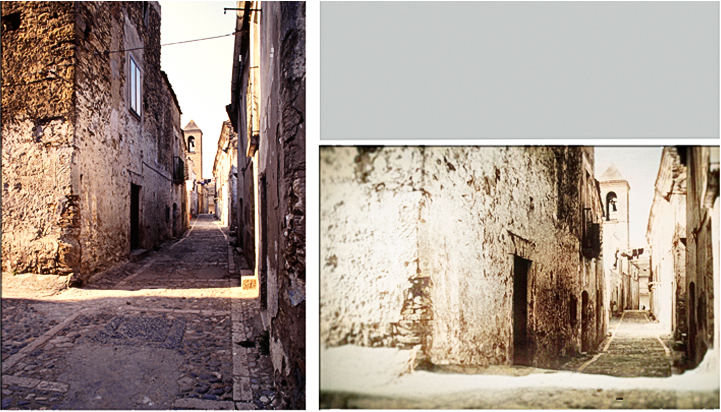
Fotografare sembra facile e prendo a prestito a modo mio dalla réclame Bialetti, la macchinetta del caffè domestico quotidiano anima dei ‘taliani e non ditelo ai ‘mericani che stanno facendo na brutta fine, uguale uguale a li romani d’un tempo: chi è cagion del suo male pianga se stesso!
Immagine scriviamo così al posto di fotografia, e si fa notte e il tempo è danaro dicono gli Yankee.
Sia come sia due immagini (la stessa per modo di dire) a confronto per dimostrare che la “fotografia” è ben altro che “voi scattate che al resto ghe pensi mi” di Kodak memoria. Tutt’altro e motivo in più per ridire: stampate da voi i “fail” che di diman non v’è certezza. Vero è che tutto è un casino di prezzi alle stelle, carte inchiostri e stampanti che non la comprate tutti giorni, certo. Niente da ridire, ma comprate un obiettivo in meno una nuova fotocamera o come vi pare, risparmiante e non vi fate il sangue acido ché dopo alcuni giorni più che mesi l’acquisto è prezzato (usato) meno della metà della metà, eccezion di brand(y) simil Leica-Hasselblad e molto poco altro che ricadono, comunque, nel mito e questo fa aggio su tutto. Sono certamente ottimi attrezzi e ci manca pure questa! E non è questo quanto, si ritorna, sul fatto che sparagnat’ (risparmiati) soldi vi mettete a pazziare (!?) con la stampa, croce e delizia non c’è dubbio. E non basta i cannati di base ICC + carta ché il gioco è più sottile, complicato ora ora non più ma se non provate e riprovate a “buttar carta” c’è poco da “imparare” e le Youtubate vi fan venire la nausea con i loro “consigli” precotti e naturalmente prezzolati per la Giostra acquisrti.
A noi. A sinistra lo scatto originale su Ektachrome Epr 64, ottica 24 millimetri più che buon vetro Yashica innestato su corpo, mi pare 139 Conatx o RTS prima serie inizi 70 secolo scorso. Conversione digitale via E1 QuattroTerzi e 35 millimetri Macro Zuiko, ci dovete azzeccare il giusto diaframma-definizone-pixel etc etc. Questo su lato puramente “tecnico”. Ma con in testa ben altro si è provveduto a ri-arrangiare quanto basta alla narrazione fotografica. Anzi a dirla tutta a me paiono due scatti che più diversi non si può. Orizzontale taglio perché in origine doveva entrae in un slideshow cinematografico millenovecentoventipermilleottanta, poi…L’illuminazione-previsualizzazione è il fatto di “trasferire” l’immagine su supporto cartaceo. Ma vi rendete conto della cosa, no? Analogico-digitale-aggiusto per stampa. Un triplo salto mortale, roba da circo più che stampa. Senza dire che il tutto deve “trasmettere” qualcosa a chi in buona misura tene a cap’ p’ spart’ e recchie (orecchie usate per dividere solo le orecchie) così l’avevamo già scritto su un numero di Progresso Fotografico a proposito d’una kermesse meneghina in via Monte Napoleone con il fratacchione Maurizo Rebuzzini (in tuta da cacciatore, mah!) scendere le scale come una Vanda Osiris dell’androne già apparecchiato per la panza, attorniato da paraculi milanesi famelici tout court: noblesse oblige!
Ancora e di ritorno: verticale la sinistra, orizzontale s’è detto, la trasfigurazione (manco fossimo al Rito cristiano per antonomasia) per un tempo andato, caldo pomeriggio estivo, gioco di Monete Rosse del Poeta Sinisgalli da Montemurro qui vicino. Tutto qua. Forse, si capisce
date » 02-02-2024 12:51
permalink » url
tags » rollei fotocamera, hasselblad fotocamera, agfapan pellicola analogica, era analogica dark room, ingranditore durst 659, ferrania carata millepunti, ritocco fotografico analogico, diana fotocamera plastica, thumberwald, siluro fotografico umido, album fotografico matrimonio, stampa analogica venti per venticinque cerimonia,
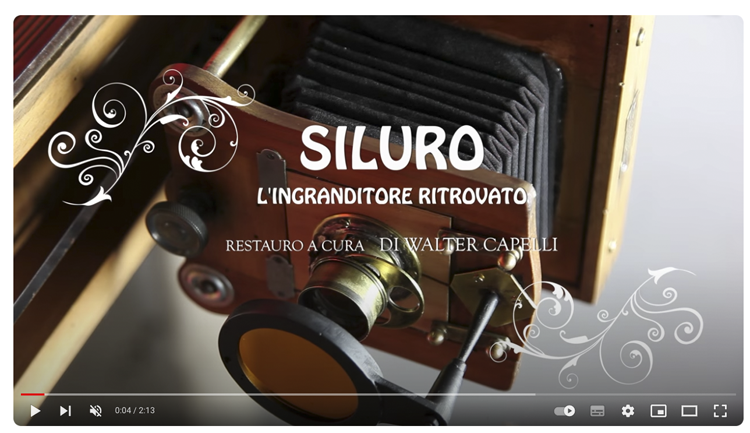
In camera oscura gli ingranditori Durst, cavalli di battaglia e muli di fatica praticamente indistruttibili come il 659 a condensatori con doppia ottica in torretta a scamotaggio orizzontale per coprire il 135 o Leica format ed equipaggiato di 50 mm per stampa; l'altro era l'ottanta millimetri classico normale per le stampe da negativo Rollei, adatto per cerimonie come battesimi comunioni cresime e soprattutto matrimoni. Solo in seguito Hasselblad sostituì Rollei per sua capacità di montare ottiche intercambiabili e magazzini per le prime immagini a colori, sebbene bisognerà aspettare metà degli Anni Settanta per il pieno regime colore su ventiventicinque (sostituto dei bianconero dicottoperventiquattro) d'album che si conservano ancora, altro dai “fail” usa e getta e proprietario compreso va da sé.
E con il Durst si faceva di tutto, tranne quando i suoi condensatori erano affatto utili, anzi, per riproduzioni partendo, casomai, da stampe “millepunti” Ferrania, sorta di superficie a buccia d' arancio vero e proprio incubo; allora l'alternativa era il Siluro cosiddetto per sua conformazione “militare”. Privo di condensatori internamente di specchi, rimandava sul piano focale luce più che morbida ad attenuare difetti e l'immancabile “moiré” (un gioco da ragazzi eliminare oggi con i Pshop o Gimp equivalente) della millepunti.
Siluro e chassis porta negativi eran sistemati già belli e grandi i seinove, stessa pellicola Agfapan in uso per fototessere, alfine di no esasperare il tiraggio-ingrandimento-lineare della Ferrania bella da vedersi ma s'è detto incubo se riprodotta.
Sicché il ricorso ad una calza di donna indispensabile. Oh niente di “luci” rosse come adesso uso vedere a web! Calza abilmente sagomata a sandwich fra due cartoni neri, sotto l'obiettivo, durante la posa mossa in continuazione sino al termine della stessa già calcolata tramite piccolo provino-posa.
E dopo? Certo mani e matite “appzut'” affilatissime a completare l'opera. Quanto al resto, visto a certa distanza, la stampa difficile distinguere le “bravate” della millepunti: tanto se re-incorniciata, sotto vetro e altro costo per il malcapitato cliente, riprodotta su diciottoperventiquattro; tanto se in formato trentaperquaranata “appesa” a cap' diett', su la testata del letto come tanti e tanti anni addietro, incastonata fra Santi e Madonna. Mussolini e il Re stavan dall'altra parte: lato traslato e fate come ve pare!
(Copia & Incolla se vi pare)
https://www.youtube-nocookie.com/embed/EC6v-83CG7s
Ps. Fate caso al "diaframma" dell'obiettivo: fori a diversa "misura" e niente a che vedere con i notori delle fotocamere, digitale o men che sia. Vero che pure la Diana plasticotta fotocamera in formato 120 o seipersei montava altrettanto disco/fori a mo' di diaframma o buchi che dir si voglia
date » 23-11-2023 17:43
permalink » url
tags » banco ottico cambo, ilford pellicola piana, agfapan brand, ferrania italica, ottiche banco ottico, fatif fotocamera milano, linhof banco ottico, fotografia analogica, san michele potenza, fascino discreto banco ottico, fotolampo potenza, carrese agenzia milano, ministero cultura italia, beni culturali, châssis pellicole piane, fototessera mattolina matite, dk50 kodak sviluppo negativi, bowens lampo elettronico, hasselblad sei per sei, leicaflex, monotorcia rollei, rolleiflex fotocamera,
Il fascino discreto del banco ottico
(disciplina e forma mentis essenziale)
Quando venivano (clienti) per fototessere...sì, interno lo Scalo Inferiore ex Ferrovie (reali) dello Stato, qui in questa umida landa di lampi e tuoni mentre scriviamo, uno scatolone consentiva già d’ auto-fotografarsi, e dopo pochi minuti (tre) la striscia di quattro (1+3 per i grembiulini all’ascolto pruriginoso) pronte tessere per documenti d’identità. Certo dal fotografo avevi un lavoro fatto a mestiere (arte) più “levigato” di matite e mattolina.
Sia come sia era la piroettante 6 x 9 Fatif su colonna, appunto, per fototessere. Colonna con saliscendi a filo via pomello, cui asse orizzontale era la fotocamera, tutt’altro semplice da usare. L’immagine, infatti, come da camera oscura scolastica (sottosopra per leggi fisiche per ovviarvi in uso e negli studi à la page di Milano un visore a specchio, quarantacinque gradi, capovolgeva la scena pur con lati invertit sinistra destra) bisognava d’essere mossa, su ruote sottostanti colonna, focheggiata (senza autofocus) e sul vetro smerigliato (niente mirroless FF o trequarti e na gazzosa) quadrettato per guida, in basso a capa sott’ (in giù) vi avevamo disegnato apposta la sagoma per “inquadrare” il soggettone uso dire, un dì, per cliente. Poi? Beh si caricava lo châssis al buio completo; una tacca su pellicola Ilford, Ferrania o Agfapan a sto punto non ricordiamo più, per i bordi si lasciava scivolare in scanalatura ad hoc, mentre in luce il resto della ripresa.
Vero al buio tutto è difficile e gli “occhi” sono le mani/tatto. Senonché un nostro amico, fotografo dell’Antichità sottostazione, così detta l’allora, Ministero della Pubblica Istruzione ché I Beni Culturali o pomposamente al corrente della Cultura (!?) senza mitico oltralpe Jack Lang verrà, ad opera del Senatore Spadolini nel millenocentosettantaquattro, il distacco definitivo dalla Pubblica Istruzione, e trasmutato in Beni Culturali tout court.
Ebbene il nostro veniva a trovarci, armato di Leicaflex ché la classe n'est pas de l'eau (!) il flash monotorcia grigio lieve Rollei, e rare volte con Rolleiflex. Viceversa chez-lui ministeriale Hasselblad e luci elettriche; i flash Bowens chiesti con insistenza dal suo assistente arriveranno agli inizi degli Ottanta, fra rimostranze di Pippo, questo era il suo nome, che guardava come “americanate” il tutto, sebbene funzionassero e bene.
Dunque, Pippo qualche volta si prestava a la posa, d’altronde era di casa o liaison con FotoBaffo, alias Rocco Abriola alias FotoLampo già ricordato altrove, simil Publifoto di Carrese memoria in Milano. Pippo, allora, entrava in camera oscura e ci stava tempo, tanto quanto a smontare alla lettera lo châssis, pezzo a pezzo, caricare la pellicola e, finalmente, novello Lazzaro venire di nuovo alla luce. Oh l'avessimo provato a fare noi “ragazzi di bottega” si sarebbero sentite le campane della circonvicina Chiesa S. Michele on main-street a coprire la “litania” di rimbrotti, termine pulitissimo e in lingua ‘taliana, lontana miglia e miglia...
Banco ottico e non solo per fototessere, l’usavamo anche, visto il soffietto estensibile oltre misura, per riproduzioni in un angolo dello studio su bacheca. Sicché l’ incombenza spettava a chi scrive e non altri, ché avevamo fatto callo e occhio, allo sviluppo negativo in base a matrimonio, ritratto eccetera. E di sti tempi con pioggia gelo e freddo il “bagno” (please not translate toilette or wc) di Dk-50 Kodak in vasche verticali di famigerati trentacinque litri (rigenero una volta ogni tanto aggiungendovi altro bagno più contrastato, Dekotol per carta fotografica, però) standard dell’epoca. Vasconi in bachelite rinforzata. Tempo di sviluppo s’aggirava per un ora causa freddo anzidetto (niente termostato se non...un’altra volta). E infine l’unico dello studio “abilitato” nel frattempo ad andarmene (la moglie brutta ed arcigna del Baffo, l’aveva sposata per la ricchissima dote, ma riempita di corne, ci provava, querula, a trattenermi) in giro per il centro cittadino. Scaduta infine l’ora, altri “canonici” quindici minuti di fissaggio senza bagno intermedio d’acqua e/o acido acetico, usato solo e soltanto durante la stampa; puzzo insopportabile di aceto!
E di banco ottico un po’ strano venne la Technika Linhof trediciperdiciotto a fotografare, tra l’altro, i “lucidi” disegni tecnici piante edifici e sezioni per conto, all’epoca, Soprintendenza Beni Paesaggistici e Architettonici in loco.
Infine, Cambo acquisto personale, formato novedodici. Tutto questa lunga promenade, ecco, mentre in giro per il web delle mirabilia si vedono e leggono di “triadi espositive” rumore “grana” che cacciata dalla porta rientra dalla finestra di plug-in emulazione della grana (!) che “gradiscono” i gallerioti con benda su occhio, non quello di Horus sinistro, gamba di legno di filibusteria e LGBT+ a corredo: culattoni come curatori.
E dinamismo di gamma, no? E “taglio” lenti ma che non devono tagliare alcunché se si gira, emulando, la pellicola analogica. Fotografia è una cosa, cine-video altra, quando si usavano i Cooke lens.
A noi vien da sorridere, dall’altro l’inverso a vedere, questo sì, il pollaio di parvenu si raccomanda certi pontefici napulitani e street photography oi né che scrivono baggianate a man salva, su “forum” o quelle cose che bisognano di “campanelle” per essere avvisati di altre baggianate; like sennò a sti pover’ marann’ finti benché imbonitori de facto così campan’ e tengono famiglia. Consigli per gli acquisti...va!
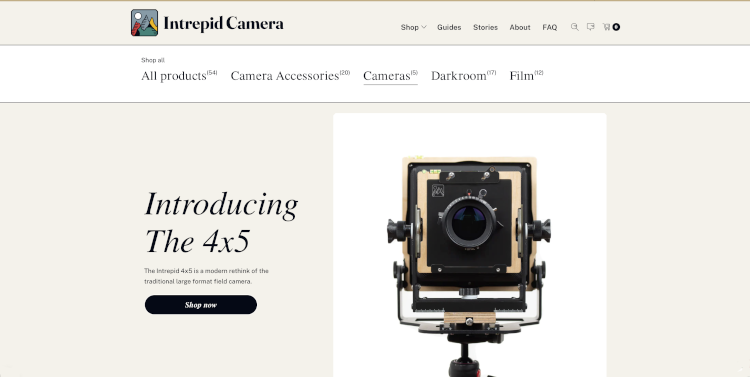
NB. Americani, pensa che ti ripensa, trovano il tempo (vedi link sottostante) di costruire cose fuori tempo: camere (convertibili pure ingranditori!) da banco o fascino e réclame della Giostra, che gli frega di trovarsi in Era digital, del bianconero e camera oscura...E pecunia non olet! Degno di nota l’ibridazione “plastica” via stampa 3D di banchi ottici di sti guagliune
(Copia & Incolla se vi pare)
https://intrepidcamera.co.uk/collections/camera?syclid=clgqhtu5ji7s738d9ukg&utm_campaign=emailmarketing_148971421936&utm_medium=email&utm_source=shopify_email
https://it.wikipedia.org/wiki/Linhof
date » 14-07-2023 12:44
permalink » url
tags » vox populi vox dei, sara munari vestale eterodiretta, fotografia analogica tecniche antiche, era digitale, brand panasonic leica, bajonetta l mount, consorzio l mount, brand hasselblad mezzo formato, seipertre stradale, manico organo maschile, photoshop miracolo digitale, asse nippo germanico, oscar barnack leica, full frame digitale,
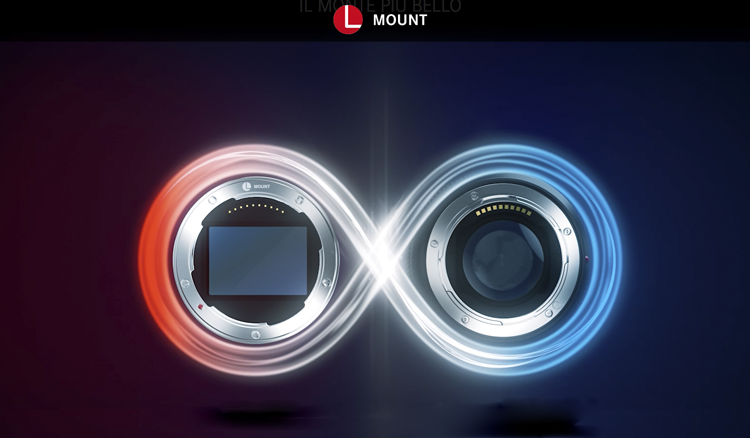
Inquietante logo dal tratto robotico del consorzio che fa dell'attacco ottica L Mount il suo interesse strategico
L Mount Uber alles?
Senza dubbio in Era Analogica l'ottica svolgeva ruolo preminente, ora nel digitale è opinabile. Anzitutto in giro, questo è bene, non ci sono più “culi di bottiglia” cui si conserva memoria con gli, allora, universali p' sparagnà (risparmiare) qualche soldo. Oggi sotto “pensiero unico” non più, anche perché i fabbricati di vetro ottico quelli sono da tempo diciamo immemore. Certo poi ognuno si “impasta” il proprio vetro (ricetta) ma sono sottigliezze azzerabili in Pshop ed equivalenti, figuriamoci nel campo movie dove i brand ottici (e consolidati new entry) noti nun c'è trippa per gatti.
Sicché qui dell'Elle attacco consortile e bajonetta si parla. Pana&Leica (Asse Nippo-Germanico come allora, senza l'italietta oggi: la vede voi la trasteverina de noantri presidentessa trottolina di Sorelle d'Italia che da Palazzo Venezia in camicia nera..?!).
Ditte o brand(y) che fan del Full-Frame alias Barnack Leica Code 135 il cavallo di battaglia, certo a dar fastidio anzitutto alle defunte mezzo-formaggio in primis Hasselblad. Ma qui veramente andare oltre si fa compulsiva accademia onanista e nulla più. Anche perché, ancora, la Panà ha la sua linea M4/3 che insieme alla (ex) Olympus odierna Om-System song' (sono) nu babbà: senza se e senza ma per chi capisce. E poi a monitor notereste differenza tra i due Mondi richiamati? E se a debita distanza un seipertre, notate pure differenza fra impaginato Micro 4/3 e L Mount, che di questo si parla? Neanche se si schioda Crist' da la croce! Avanti il prossimo e...consigli per gli acquisti. Mah!
Ps. Qui c'è gente meno male che va in giro con foro stenopeico a far cose egregie. Gente che va per altre vie fotografiche e di tecniche alternative degne di belle&buone fotografie (le Munari tout court aborrono come indemoniate dinanzi crocefisso e aspersorio mentre blaterano in trance di emittente-ricevente-canale...d'Otranto!) Banale questione di manico con qualsivoglia apparato ottico-meccanico-digitale; manico che in italiano genere maschile è, spiace ma è così per la Vestale eterodiretta centrale pensiero unico richiamata e sodale ancelle LGBT+.
Chi sa fare fa, chi non sa fare insegna, chi non sa insegnare insegna agli insegnanti, e chi non sa insegnare agli insegnanti insegna agli asini raglianti. Vox populi vox dei
Manunzio fotografo sin dal 1969
date » 16-05-2023 08:59
permalink » url
tags » fine produzione hasselblad x, formato quadrato fotografia, fotografia digitale hasselblad, sl 66 rolleiflex, spaccio bestia, thumberwald, gutta cavat lapidem,

Gutta cavat lapidem
la goccia è perseverante, ahh quanto a questo, e se non è oggi domani buco è, pietra o non pietra. Massima che non abbisogna di spiegazione tant'è performante, meglio perforante la sua azione. E di primo acchito chi oserebbe mettere in dubbio la consistenza della pietra? Luoghi comuni che consente allo Star System (stesse iniziali delle SS: certe combinazioni astrali!) di continuare verso l'Infinito, pure oltre sai che noia, e transumano: mezz' ferraglia e mezz' umanoidi immortali. De gustibus.
E noi con l'Hasselblad ci abbiamo avuto poco a che fare, pur con la mitica 500 C, preferendovi la SL 66 di Rollei: carrarmato di nome e di fatto in qualunque situazione meteo e senza ben che minima alimentazione per sue funzioni. Altro tempo e altre storie e “progresso” che avanza, no? No è solo spaccio della Bestia...avanti il prossimo a cadere in nome della obsolescenza programmata
date » 11-04-2023 18:08
permalink » url
tags » » moda, fotograafia astratta, fotografia bianco e nero, no word, fotocamera a telemetro, hasselblad, rodney smith fotografo, rené magritte,

Il mio processo creativo è strettamente connesso al modo in cui esamino la mia vita, a come ho conosciuto me stesso, a come ho tratto chiarezza dalle mie emozioni e le ho tradotte in immagini. Scattare fotografie è stato il mio modo di riconciliare il mondano con l'ideale, di riconciliare le mie paure e passare da ansioso solitario a partecipante. È stato con la mia macchina fotografica che ho iniziato a trovare l'intimità.
Oggi, gran parte della cultura occidentale sembra radicata nella lontananza, nella rabbia, nell'alienazione e nello squallore. Sento, tuttavia, il bisogno di raggiungere la sua anima, la sua profondità e la sua bellezza sottostante.
Mi fido del mio istinto per arrivare al nocciolo della questione. Prima trovo la posizione, poi segue tutto il resto. Se mi guardassi lavorare, mi vedresti muovermi e fermarmi all'improvviso quando trovo il posto giusto per scattare una foto. È un'intuizione sulla proporzione e la scala, e su come mi relaziono al soggetto. Non è un concetto intellettuale; è un concetto emotivo. La composizione è come il ritmo nella musica: è dove tutto è sincronizzato.
Sono meticoloso nel mio mestiere. Espongo ed elaboro la pellicola a mano, lentamente, e lavoro per produrre un manufatto squisito, la stampa. Lavoro per produrre una cosa di bellezza. Per me, la stampa è la creazione, lo scopo, il risultato del mio impegno
Rodney Lewis Smith
date » 10-02-2023 10:24
permalink » url
tags » otografia aerea, metaponto aerea, hasselblad motorizzata, paiper foto altezza, infred kodak colore, aldo la capra fotografo, dinu adamesteanu museo potenza, metaponto sito archeologico, greci antichi costa jonica, roma caput mundi, enea anchise troia, staffetta storia, nascita civiltà occidentale, continente europeo lisbona vladivostok,
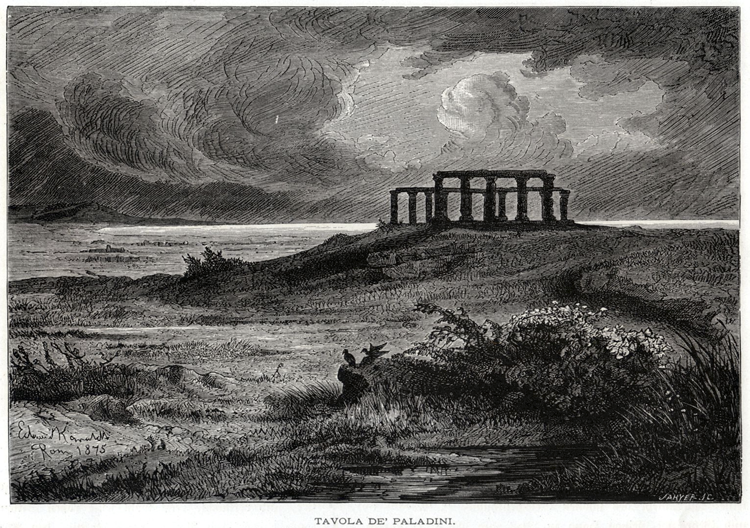
Il Professore & il Fotografo
Dinu Adamesteanu, il museo cittadino è intitolato alla sua figura di studioso, rumeno d'origine: nomina sunt consequentia rereum o nomen omen? Latino, anch'egli. Aldo LaCapra, fotografo aviatore, che a bordo di un Paiper e sue Hasselblad, una delle quali motorizzata e caricata di pellicola (doppia perforazione 70 millimetri) in magazzini dedicati a fotogrammetrie, ecco, per il Professore. Sicché il lucano fotografo e il rumeno, cos'avranno mai avuto in comune, tanto il primo schivo che “gnavia trà li parol' da 'mmocca” cavare, letterale, parole dalla bocca al contrario dell'altro,
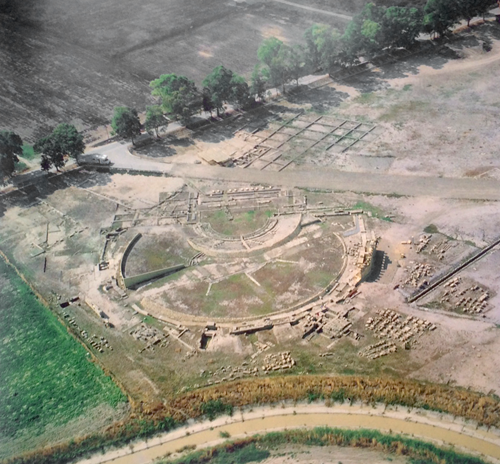 di certa corporatura, si sarebbe detto un Marcantonio o eglish “piece of meat”, vulcanico loquace, e cattedratico? Eppure, insieme, han portato in luce (Aldo con stampe bianconero slide e finanche Infred Kodak per meglio discernere, dall'alto, vegetazione e substrato del terreno; segni e tracce monumentali di antchi insediamenti abitati da quelle genti, fra neo coloniali greci e stanziali lucani) e il Prof studiando le fotogrammetrie congetturava ipotesi, questa o quella di racconti storici e spesso fabulosi. Colonie di greci avventurieri: la Storia è fatta di staffette, proprio come una gara, cui la Roma mitica: Sette (cabalistici) Colli. Guerre high-way antelitteram sebbene di pietra interconnessa, e distruzioni, come sempre: ieri oggi e diman non v'è certezza, sebbene siamo, abitiamo, come spesso ripeto lo stesso condominio millenario: da Lisboa sino a Vladivostok
f
