
date » 29-03-2024 11:15
permalink » url
tags » immagine riti pasquali, manunzio archivio misteri pasquale, scritture crocifissione storia arte, vincenzo verolino street photographer napoletano, atella vulture riti settimana santa, golgota sacre scritture, aglianico vulture, venerdì santo, vangelo giovanni tunica crocefissione,
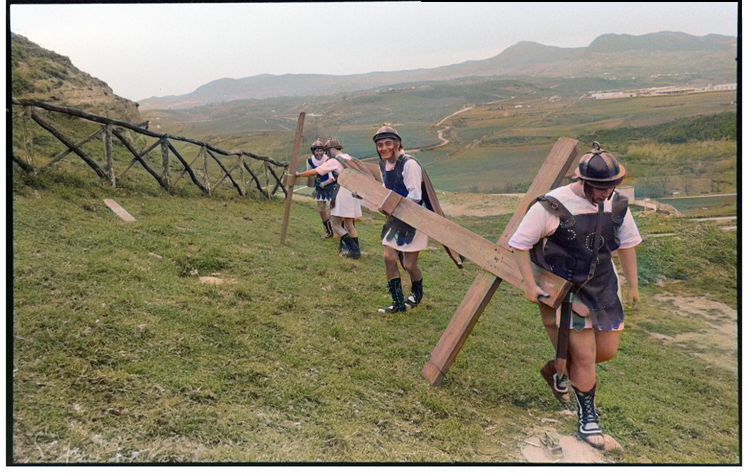
A distanza di decenni dallo scatto, l’atto conclusivo del Golgota sotto la Croce del Nazareno secondo le Scritture, nell’ora in cui i soldati romani cazzeggiano, tranne il primo a dx che a testa bassa sembra echeggi il biblico...era veramente figlio di Dio…dell’avvenimento tragico appena concluso, ritrovo, a dirla tutta, una sorta di sovrappensiero che muove al fotogramma. Un automatismo apparente, quanto si vuole ma che, se non fossi stato "indottrinato" di Catechismo, mai così il pathos sottotraccia dell'inquadratura.
I soldati poi, quando ebbero crocifisso Gesù, presero le sue vesti e ne fecero quattro parti, una per ciascun soldato, e la tunica. Ora quella tunica era senza cuciture, tessuta tutta d’un pezzo da cima a fondo. Perciò dissero tra loro: Non stracciamola, ma tiriamo a sorte a chi tocca.
Così si adempiva la Scrittura: Si son divise tra loro le mie vesti e sulla mia tunica han gettato la sorte. Vangelo Secondo Giovanni 19, 23-24
Venerdì Santo, Crucifige
E’ il clou della Settimana Santa, quando all’ora nona e siamo intorno le tre pomeridiane il supplizio volge al termine: questa è storia vulgata, fra Pilato dalle mani candide di sapone sopraffino e gli intabarrati Caifa & Co. del Sinedrio ebraico; lesti di mano i romani quanto al resto "Graecia capta ferum victōrem cepit". Dite? Sì, proprio spizzicati, e barbari ça va sans dire, gli odierni Yankee. Quanto ai secondi, soliti scribi farisei e Benjamin Netanyahu Gaza docet su tutte le televisioni terrestri. E fermiamoci.
Questa volta la cover non è dotta citazione, Crocefissione, pittorica della Storia dell'Arte, quanto uno scatto fotografico, giacché qui si parla pur sempre di fotografia tout court. Certo anche bisognerebbe domandare se lo scatto rientri a pieno titolo nel canone street o reportage: vexata quaestio Eccellentissimo Cattedratico nonché Luminare Prof. Vincenzo Verolino, che impazza sul web con sua ideologia di strada, questa a conti fatti la sua street photography o e stritt' sritt' vicoli di Napoli dove egli signoreggia da Viceré.
Lo scenario, infine, è Atella in Vulture che non è un "cornacchione" quanto prende nome dal Vulcano spento dei monti circostanti. Atella già ieri ha aperto la tre giorni dei Misteri. Molto suggestivo l’ambientazione, l’immagine conclusiva del Golgota, ambientato sotto le mura cimiteriali del piccolo borgo!
Ps. Vero la Sacra Rappresentazione per antonomasia, sebbene molto inflazionata e scompaiata da tempo, è sicuramente Barile a un tiro di schioppo da l’atellano luogo, vi si arriva ancora con una stradina interna, pur se vi è un tragitto rotabile più moderno e fruibile. Nome men, quindi, per l’ottimo vino Aglianico del luogo (non è uno spot bensì ottima costatatio) e terre lucane convicine. Borgo che mette in scena, oggi Venerdì, per vie e vicoli i cosiddetti Misteri. La prima volta che andammo ero molto piccolo sul finire degli Anni Cinquanta, con la nonna battagliera napoletana. Era un giorno velato, e su la vaporiera, sì, quelle che si vedono nei film di Agatha Crist’, le porte (ogni passo una!) dei vagoni non più scritto Terza Classe di Fascista memoria quanto una più democratica (Cristiana) Seconda classe: panche toste e dure da far male le chiappe a starci seduti, ma tutto il tempo stemmo al finestrino che ci apparve, e lo era, un avventura
Pss. L’immagine non è toccata in alcun modo se non colorata artificialmente, eppure molto intrigante del bianconero di partenza su HP5 Ilford e Contax 24mm Yashica (se già detto, ma repetita juvant della pari bajonetta Yashica-Contax). Cielo magnificamente nuvolo ma non troppo: sospeso che manco i migliori registi di film riuscirebbero. E se vi capita una giornata così, con tanto di casse acustiche che irradiano musica classica, oh, fa effetto a noi che non siamo né saremo ferraglia robotica “eterna”
date » 26-03-2024 10:06
permalink » url
tags » fotografia di strada, street photography, fotografia analogica, stampante hp 9180, era digitale fotografia, image, thumberwald, eugene atget fotografo parigi, stampante hp 9180, munari fotografa, myphotoportal sito fotografia, nulla elevato a nulla, point and shoot olympus,
Immagine di street non foss’altro che i manichini in vetrina sta(va) su la Main street e quindi...non di meno fotogrammi che non trovate (manco se si stacca' Criste da la croc') negli scatti degli amanti della strada a tutte le ore. E c’è da capirli ché infame Quinte colonne Munari & C. troppo presi a fornire coordinate a Pentagono-Cia-Mossad su volti e raggruppamenti non più vietati così come durante il Covid del Tandem Speranza-Conte via BigPharma. Pare una boutade alla Manunzio eppure garantiamo che per le ore e i giorni passati su Web così non è, ma poco importa. E d’altronde era un giornalista Gianni Lanes** a rivelare che i dati sanitari viaggiano oltre Oceano, al Pentagono.
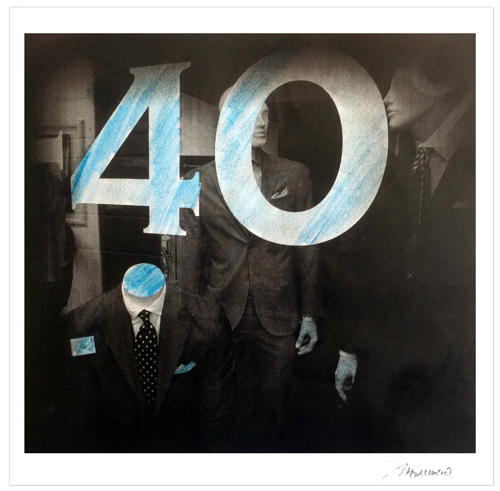 Sia come sia si ritorna all’essenza, lo scatto. E non siamo un Atget, solo d’uno che con la macchina, qui una Point&Shoot Olympus, guarda osserva calibra e nel caso scatta. Vetrine a dirla tutta di quando la Main Street a nome Via Pretoria su l’impianto romano non a caso, finisse completamente distrutto alla Soros maniera via Davos Boy gli stessi del clan Chicago o Disordine Mondiale.
Immagine in poche battute passata alla gloriosa Hp 9180 su carata da fotocopia riesumata dall'archivio di carta, ecco, Manunzio e spruzzata di vernice per inglobare il “carbone” degli ink, immagine stesa su cartoncino per migliore manovrabilità. Click on to enlarge image
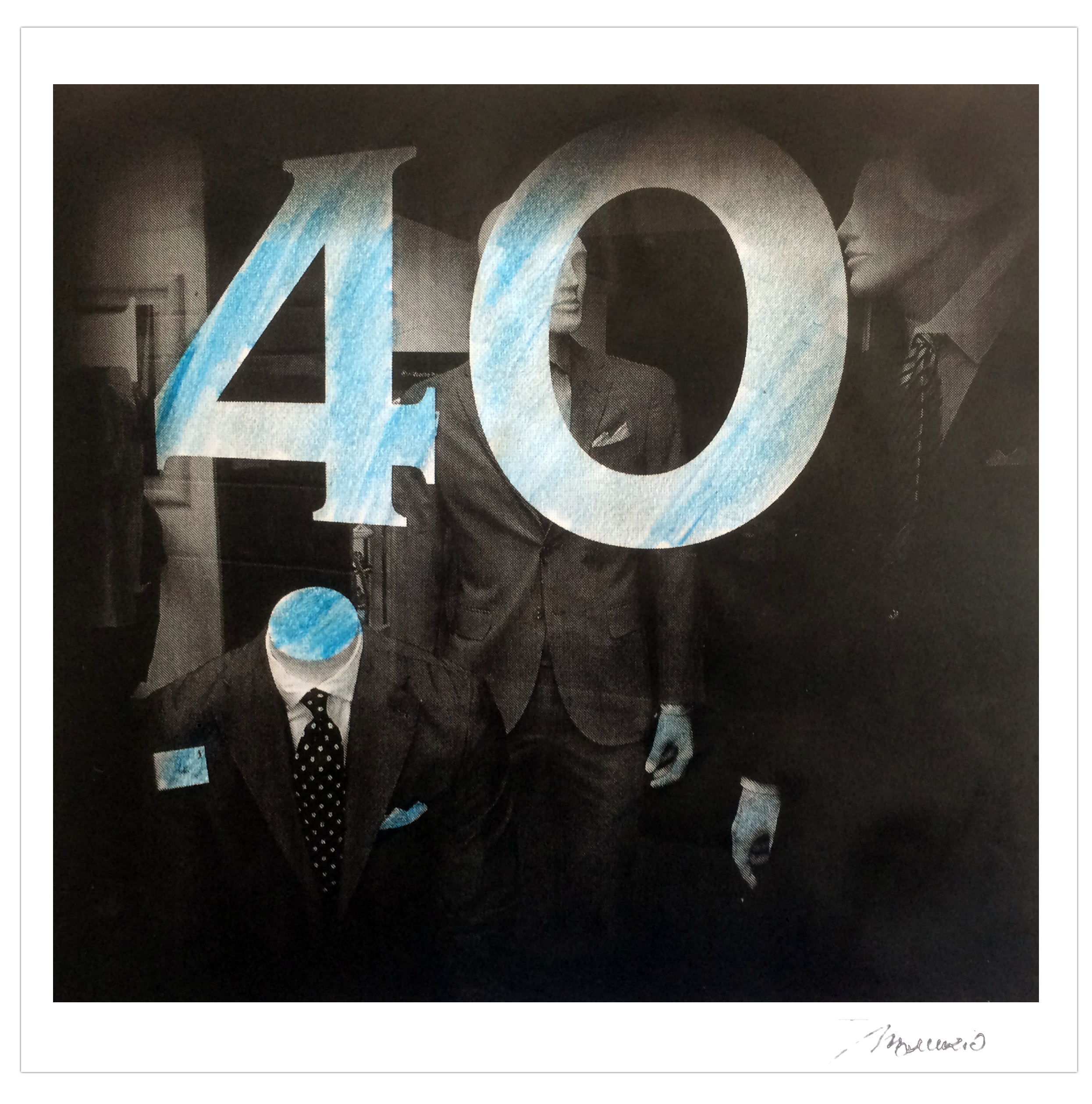
Sì, bianconero e colorata a mano per togliere dal mondo “reale” e trasferirla come Manunzio sa fare in quello “immaginario” o da questo a quella fate come vi pare. Manipolazione, incrocio fra analogiche matite, pastelli, gessetti e ink digitale. Un manufatto che mai e poi mai potrà restituire una qualsiasi AI. Infatti il taste/tastà (tastare, toccare in dialetto indigeno) è la trasmissione di energie intrappolate dal supporto non meno dall’occhio. Siamo in buona misura ancora analogici tout court.
Per i cultori del Nulla (lasciate che i morti seppelliscano i morti) si continui a vedere fotocopie di fotocopie che Mayphotoportal mena in primo piano (!) e certi funghetti nati di notte tempestosa, fotografi pensa te (al peggio non c’è mai fine) usciti, guarda caso, da quella brava fotocopista della Munari & Co. E si vede. Il Nulla elevato al Nulla. De gustibus certo, non a caso si parla al corrente e di generazione Z che è l’ultima lettera dell’Alfabeto italiano. Ultima. Una prece
** Complottardo, No Vax, Diertrologista un tempo, Terrapiattista, Scemo di guerra, Giapponese nella Jungla, Sessantottino impenitenti d’antan fate come vi pare ma qui il lik lo mettiamo qui augurandosi che Google-Cia-Mossad non l’han a togliere bper “oblio”
http://oppt1776.blogspot.com/p/tessera-sanitaria.html
Atget
https://it.wikipedia.org/wiki/Eugène_Atget
Ps. Scemo di guerra quanto volete ma qui il Pdf...a buon intenditor
date » 23-03-2024 11:01
permalink » url
tags » fotografia strada, street photography, bianco e nero fotografia, fotografia digitale leica bianco e nero, thumberwald, no word,
NO WORD
https://www.youtube-nocookie.com/embed/oUtPUuJ4yRs
https://www.youtube-nocookie.com/embed/EI6mMKF8J4c
date » 17-01-2024 12:11
permalink » url
tags » fotografia ricerca, fotografia bianco e nero, wim wenders regista fotografo, landscape archeology, no word, fotografia identitaria, filippo cristallo fotografo, street photography,

NO WORD
"Wim Wenders ha affermato che ogni foto è un tentativo di scoprire qualcosa di una persona o di un luogo, di stabilire in qualche modo la verità di un contesto.
Secondo il grande fotografo e cineasta tedesco il concetto d’identità nei tempi passati non esisteva, è una questione che nasce nel ventesimo secolo così come le sue dirette conseguenze: dissociazione e solitudine.
Non se ne avvertiva il bisogno perché “le persone si identificavano con se stesse o con il proprio ambiente. Appartenevano a un luogo, e l’identità non poteva essere messa in discussione: c’era.”
Ma cosa accade se smarrito in larga parte il passato e afflitto da un presente sciagurato è il luogo stesso a non possedere più un’ identità?"
(Copia & incolla se vi pare)
https://www.filippocristallo.com/senza_tempo-r16024
date » 04-01-2024 10:59
permalink » url
tags » fotografo doisneau, street photography france, amanti foto, fotografia analogica, set fotografico, finto vero verosimilmente, thumberwald, acqua calda, lgbt+ fotografia, voyeur autorizzati, sara munari uber alles, cancel culture rien ne va plus, satanismo immagine, riscaldatori atmosferici haarp,
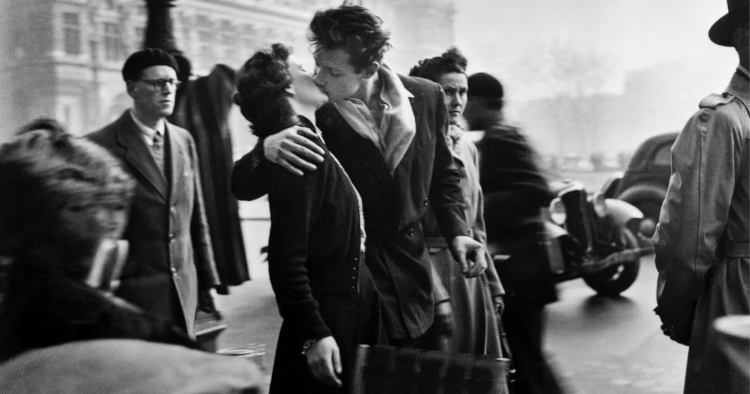
Acqua calda
(Delenda Munari & Co. est)
La si ottiene (acqua) per riscaldamento termico in recipiente di varie forme e natura; generalmente la combustione di varia natura determina, strano ma vero, il riscaldamento poiché i porcelloni di elettroni si “eccitano” sino all’acme del bollore. Tuttavia l’acqua calda si ottiene, anche, con boiler elettrici per doccia non meno che Microonde, e riscaldatori atmosferici tipo Haarp (che fanno pure i terremoti tipo ultimo Giappone). Acqua, calda si capisce.
Dunque una foto che non ci azzecca niente con la fisica prezzolata ma fa lo stesso: eccitare, sì Eccitazioni di quei pochi sparsi solitari e finali neuroni che albergano nella scatola cranica, pare il logos, ecco, sia il cervello-occhio-minchia e cosa sia a tutt’oggi la triade non si sa però fa lo stesso altrimenti si offendono i “ricercatori” di AI che tutto serve tranne che far “aumentare” la Realtà (conoscenza?). E che importanza può avere: Franza Spagna purché se magna. Robot umani è bello!
Ma ammesso che la scatoletta cranica, che alcuni un dì stiracchiavano per avere più massa cerebrale per farne cosa, anche qui poco importa (à la guerre comme la guerre) e ‘mbè? Si sti “scienziati” prezzolati aumentatori di cazzate a man salva tutto fanno tranne il bene, comune così un giorno remotissimo. Realtà aumenta e finzione sovrana? Verosimil + mente. E come mentisce la mente, eh avessi voglia se si considera tutto l'ambaradan del circondario, un tot a kilo eterodiretto si capisce.
Finzione si è detto e allora senza scomodare né il Bardo e manco Pirandello, voilà mes amis la messinscena: siamo fatti della stessa natura dei sogni Monsieur Shakespeare, n’est pas? Uhm...

Bornet (woman kissed in photography) enjoyed life to the full, smoking cigarettes and drinking whisky until her death on Christmas Day at her home in Evreux, Normandy
Un giorno il “destino” fa incontrare tre bipedi cui uno è il mitico Doisneau, fotografo. Ahi. Davanti l’obiettivo due amanti che si sbaciucchiano in continuazione...ah l’amour l'amour. Donc, dunque, il buon Doisneau chiede ai due amanti se disposti a fare, meglio, rifare la scena. Oui dicono all’unisono deux jeunes garçons. E così il voyeur (autorizzato come tutti i fotografi, forse) Doisneau clickete immortala les deux Parisienne che si baciano, e lei che si abbandona al bacio non ancora tipo Paolo & Francesca...Ne viene fuori un capolavoro. Già vero. Finto...ah ma allora ditelo che siete fessi (solo?) con il quore, eh. Devo virgolettare la lettera q per l’imbecille di turno, sostenuto dalla Munari (salve come va?) che non capisce lo scambio dialettico, ecco, della consonante c? Dio mio come siete caduti in basso, giù all’Inferno si capisce!
Ps. Dite ma ci avete preso per coglioni, eh Munari? Lo sanno pure le pietre che lo scatto di Doisneau è un set allestito! E ciò non di meno parte della Storia non solo fotografica, ma iconica mondiale. Altrettanto l’operazione sottesa, del Cancel Culture, di nuovo Munari, che vive a de-sacralizzare tutto: s-bavare perché regni il Nulla luciferino. Altro che iconoclasta battaglia! E poi c’è il maschio fotografo, e l’amante giovane che bacia: orrore dice la satura di Syphilis sive de morbo gallico, Dea Madre. E’ lei che oggi, statene certi, a breve entrando (da buon diavolo possessore) nella pelle della fotografa di grido, omosex e chiappe al vento gallerioti, rifarà la scena, ma con la “donna” danno/dannazione che bacia lui sottostante...ooops una lei ché LGBT+ est très très chic.
(Copia & Incolla se vi pare)
https://petapixel.com/2024/01/03/woman-in-iconic-kissing-photo-taken-in-paris-dies-aged-93/?traffic_source=Connatix
date » 23-11-2023 17:43
permalink » url
tags » banco ottico cambo, ilford pellicola piana, agfapan brand, ferrania italica, ottiche banco ottico, fatif fotocamera milano, linhof banco ottico, fotografia analogica, san michele potenza, fascino discreto banco ottico, fotolampo potenza, carrese agenzia milano, ministero cultura italia, beni culturali, châssis pellicole piane, fototessera mattolina matite, dk50 kodak sviluppo negativi, bowens lampo elettronico, hasselblad sei per sei, leicaflex, monotorcia rollei, rolleiflex fotocamera,

Il fascino discreto del banco ottico
(disciplina e forma mentis essenziale)
Quando venivano (clienti) per fototessere...sì, interno lo Scalo Inferiore ex Ferrovie (reali) dello Stato, qui in questa umida landa di lampi e tuoni mentre scriviamo, uno scatolone consentiva già d’ auto-fotografarsi, e dopo pochi minuti (tre) la striscia di quattro (1+3 per i grembiulini all’ascolto pruriginoso) pronte tessere per documenti d’identità. Certo dal fotografo avevi un lavoro fatto a mestiere (arte) più “levigato” di matite e mattolina.
Sia come sia era la piroettante 6 x 9 Fatif su colonna, appunto, per fototessere. Colonna con saliscendi a filo via pomello, cui asse orizzontale era la fotocamera, tutt’altro semplice da usare. L’immagine, infatti, come da camera oscura scolastica (sottosopra per leggi fisiche per ovviarvi in uso e negli studi à la page di Milano un visore a specchio, quarantacinque gradi, capovolgeva la scena pur con lati invertit sinistra destra) bisognava d’essere mossa, su ruote sottostanti colonna, focheggiata (senza autofocus) e sul vetro smerigliato (niente mirroless FF o trequarti e na gazzosa) quadrettato per guida, in basso a capa sott’ (in giù) vi avevamo disegnato apposta la sagoma per “inquadrare” il soggettone uso dire, un dì, per cliente. Poi? Beh si caricava lo châssis al buio completo; una tacca su pellicola Ilford, Ferrania o Agfapan a sto punto non ricordiamo più, per i bordi si lasciava scivolare in scanalatura ad hoc, mentre in luce il resto della ripresa.
Vero al buio tutto è difficile e gli “occhi” sono le mani/tatto. Senonché un nostro amico, fotografo dell’Antichità sottostazione, così detta l’allora, Ministero della Pubblica Istruzione ché I Beni Culturali o pomposamente al corrente della Cultura (!?) senza mitico oltralpe Jack Lang verrà, ad opera del Senatore Spadolini nel millenocentosettantaquattro, il distacco definitivo dalla Pubblica Istruzione, e trasmutato in Beni Culturali tout court.
Ebbene il nostro veniva a trovarci, armato di Leicaflex ché la classe n'est pas de l'eau (!) il flash monotorcia grigio lieve Rollei, e rare volte con Rolleiflex. Viceversa chez-lui ministeriale Hasselblad e luci elettriche; i flash Bowens chiesti con insistenza dal suo assistente arriveranno agli inizi degli Ottanta, fra rimostranze di Pippo, questo era il suo nome, che guardava come “americanate” il tutto, sebbene funzionassero e bene.
Dunque, Pippo qualche volta si prestava a la posa, d’altronde era di casa o liaison con FotoBaffo, alias Rocco Abriola alias FotoLampo già ricordato altrove, simil Publifoto di Carrese memoria in Milano. Pippo, allora, entrava in camera oscura e ci stava tempo, tanto quanto a smontare alla lettera lo châssis, pezzo a pezzo, caricare la pellicola e, finalmente, novello Lazzaro venire di nuovo alla luce. Oh l'avessimo provato a fare noi “ragazzi di bottega” si sarebbero sentite le campane della circonvicina Chiesa S. Michele on main-street a coprire la “litania” di rimbrotti, termine pulitissimo e in lingua ‘taliana, lontana miglia e miglia...
Banco ottico e non solo per fototessere, l’usavamo anche, visto il soffietto estensibile oltre misura, per riproduzioni in un angolo dello studio su bacheca. Sicché l’ incombenza spettava a chi scrive e non altri, ché avevamo fatto callo e occhio, allo sviluppo negativo in base a matrimonio, ritratto eccetera. E di sti tempi con pioggia gelo e freddo il “bagno” (please not translate toilette or wc) di Dk-50 Kodak in vasche verticali di famigerati trentacinque litri (rigenero una volta ogni tanto aggiungendovi altro bagno più contrastato, Dekotol per carta fotografica, però) standard dell’epoca. Vasconi in bachelite rinforzata. Tempo di sviluppo s’aggirava per un ora causa freddo anzidetto (niente termostato se non...un’altra volta). E infine l’unico dello studio “abilitato” nel frattempo ad andarmene (la moglie brutta ed arcigna del Baffo, l’aveva sposata per la ricchissima dote, ma riempita di corne, ci provava, querula, a trattenermi) in giro per il centro cittadino. Scaduta infine l’ora, altri “canonici” quindici minuti di fissaggio senza bagno intermedio d’acqua e/o acido acetico, usato solo e soltanto durante la stampa; puzzo insopportabile di aceto!
E di banco ottico un po’ strano venne la Technika Linhof trediciperdiciotto a fotografare, tra l’altro, i “lucidi” disegni tecnici piante edifici e sezioni per conto, all’epoca, Soprintendenza Beni Paesaggistici e Architettonici in loco.
Infine, Cambo acquisto personale, formato novedodici. Tutto questa lunga promenade, ecco, mentre in giro per il web delle mirabilia si vedono e leggono di “triadi espositive” rumore “grana” che cacciata dalla porta rientra dalla finestra di plug-in emulazione della grana (!) che “gradiscono” i gallerioti con benda su occhio, non quello di Horus sinistro, gamba di legno di filibusteria e LGBT+ a corredo: culattoni come curatori.
E dinamismo di gamma, no? E “taglio” lenti ma che non devono tagliare alcunché se si gira, emulando, la pellicola analogica. Fotografia è una cosa, cine-video altra, quando si usavano i Cooke lens.
A noi vien da sorridere, dall’altro l’inverso a vedere, questo sì, il pollaio di parvenu si raccomanda certi pontefici napulitani e street photography oi né che scrivono baggianate a man salva, su “forum” o quelle cose che bisognano di “campanelle” per essere avvisati di altre baggianate; like sennò a sti pover’ marann’ finti benché imbonitori de facto così campan’ e tengono famiglia. Consigli per gli acquisti...va!
NB. Americani, pensa che ti ripensa, trovano il tempo (vedi link sottostante) di costruire cose fuori tempo: camere (convertibili pure ingranditori!) da banco o fascino e réclame della Giostra, che gli frega di trovarsi in Era digital, del bianconero e camera oscura...E pecunia non olet! Degno di nota l’ibridazione “plastica” via stampa 3D di banchi ottici di sti guagliune
(Copia & Incolla se vi pare)
https://intrepidcamera.co.uk/collections/camera?syclid=clgqhtu5ji7s738d9ukg&utm_campaign=emailmarketing_148971421936&utm_medium=email&utm_source=shopify_email
https://it.wikipedia.org/wiki/Linhof
date » 06-11-2023 09:44
permalink » url
tags » status quo ante elisa claps, proteste chiesa trinità potenza elisa claps, immagini torture, street photography vs reportage, stampa e regime, memoria seppellite, memoria corta usa e getta, nati non foste, strage heysel, abu ghraib lager americano, via pretoria potenza elisa claps, suttani centro storico potenza, chiesa trinità elisa claps, rai elisa claps,

Status quo (ante)
E che non è il nome del complesso inglese Anni Settanta trascorsi, lo leggevamo dalle pagine settimanali di musica e altro “Ciao 2000” che all’epoca l'odierno sembrava lontanissimo, e invece…
Status quo ante a dir vero da quella cosiddetta lingua morta, fateci caso tutto un mortorio immaginifico secondo i grembiulini: mala tempo currunt, no? Sì et peiora parantur e finache l’atomica (!) per spianare a Ground Zero1 i palestinesi, tutti civili ben s’intende. Immagine pure questa. E ci sarebbe da fare dotta ed accademica disquisizione se i cosiddetti fotografi, meglio paparazzi voyer e loro paparazzate, si inscrivono nella vetusta categoria del reportage o l’odierno street photography che, come Araba Fenice, esiste ciascun dice ma dov’è e cosa sia nessun lo sa...avanti con gli acquisti.
E torniamo a bomba, ecco. Mattina ancora ‘ndraveglia e suonn’ (assonnati ancora un po’) televisione e Telenorba (meridunal brod cast television) di default (!?) che mostra una manifestazione dinanzi la Trinità; si la “chiesa” di Elisa cui eccidio va in onda, la ricostruzione, su Rai1, cui alcune scene sono state riprese sotto la finestra (campo calcio a cinque) di chi scrive. Cosa c’entra e con un Diary che parla d’immagine, o almeno ci prova? Tutto. Immagine s’è appena detto, e allora…
Stadio belga2 dove avvenne una mattanza calcistica, oggi raso al suolo: occhio non vede cuore non duole. Abu Ghraib3 della bella “donna” Dea Madre molto luciferina, e cosa sennò, torture in Mondo visione: raso al suolo: occhio non vede cuore non duole, no? Avete visto come c’entra, eccome, l’immagine. E per tornare ad Elisa, la Chiesa Trinità (!?) prima lasciata con eterna impalcatura, poi zitti zitti, linda e pinta riaperta al culto (l’abbiamo visitata ma sino alla “sogliola” laterale d’ingresso e non quello su la Main street alias via Pretoria) ma senza messa, e da qui la manifestazione della sua “riconsacrata” usanza. La Massoneria, eh! Occhio non vede cuore non duole, e non possono abbattere, la Trinità, però tutt’intorno le casupole, meglio i “suttan’” abitazioni grotte sotto livello strada tipiche una volta del centro storico cittadino, e quelle sì. Mah!
Ps. Immaginate ancora in piedi la Bastiglia...di certi grembiulini
(Copia & Incolla se vi pare)
1 "Sganciare una bomba atomica su Gaza è un'opzione"
https://www.rainews.it/articoli/2023/11/sganciare-una-bomba-atomica-su-gaza-e-unopzione-bufera-sul-ministro-israeliano-subito-sospeso-6d7e33c4-97bb-4dc1-ad6a-dd1f5a60a030.html
Netanyahu Criticizes Minister Who Suggested 'Option' of Dropping Nuclear Bomb on Gaza
https://www.haaretz.com/israel-news/2023-11-05/ty-article/netanyahu-criticizes-minister-who-suggested-option-of-dropping-nuclear-bomb-on-gaza/0000018b-9e7b-db71-a7df-ffffe4510000
2 Strage dell'Heysel
https://it.wikipedia.org/wiki/Strage_dell%27Heysel
3 Scandalo di Abu Ghraib
https://it.wikipedia.org/wiki/Scandalo_di_Abu_Ghraib
NB. Strano che in nota Wikipedia sovrastante link non c’è traccia della “generalessa” Janis Karpinski a comando del lager, come ai tempi dei “camerati” germanici, niente di nuovo sotto il sole. Rimediamo:
Retired Army Col. Janis Karpinski was one of two officers punished over Abu Ghraib.)
https://edition.cnn.com/2009/US/04/22/us.torture.karpinski/index.html
Last update
“Il destino di quella chiesa lo decideranno i cittadini”: così Gildo Claps durante la protesta contro la riapertura dell’edificio in cui fu uccisa e nascosta sua sorella Elisa"
https://www.ilfattoquotidiano.it/2023/11/06/il-destino-di-quella-chiesa-lo-decideranno-i-cittadini-cosi-gildo-claps-durante-la-protesta-contro-la-riapertura-delledificio-in-cui-fu-uccisa-e-nascosta-sua-sorella-elisa/7344738/
date » 29-09-2023 17:09
permalink » url
tags » street photography, fotografia notturna, reportage urbano, fotografia digitale, grammatica cinematografica, composizioni fotografiche, umidità relativa, scene urbane, digitale notturno, camedia olympus c 5050, monopod manfrotto,
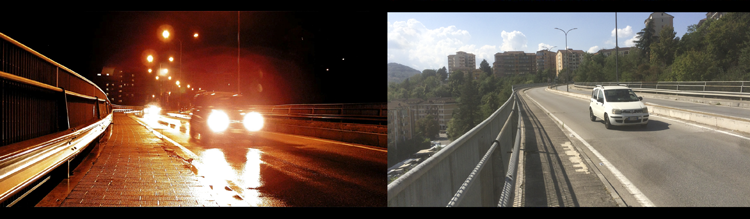
La scena come si presenta durante l'arco del giorno. Reportage già pensato per ricavarne “video” tant'è che le immagini hanno, non altrimenti, grammatica “cinematografica” di campi controcampi etc. Questo a dimostrazione che si fa presto a dire indegnamente street, giacché è reportage gustabile, malia diversa, se fisse a muro o su libro prossimo a venire ma tutte immagini con un certo gusto fotografico oggi bandito al posto di sciatteria eterodiretta: Web docet e non solo
Nottingham
Notte e pioggia da stare al coperto, invece Manunzio con la sua fidata Olympus C- 5050 (piccoletta e molto Leica style con suo 1.8/35 millimetri equivalente FF) il Monopod Manfrotto, e via sotto l'acqua. No, anzi no, ché trovato un bel spiovente balcone al riparo si è “immortalato” la scena. Poi smesso di piovere il resto delle immagini.
Sì, vero lo street presuppone “persone” che si muovono s'agitano pascolano ruminano e vivono. E ma persona è dal latino Persona/Personae....maschera teatrale alla lettera che poi prese valore di “individuo” “corpo” e usata come termine grammaticale e teologico.
Infine per noi di vecchia scuola le immagini, qui cittadine ma come ogni altro genere e in ogni dove, s'iscrivono ancora nel francesismo “reportage”
Link video
Ps. Il video (sorta di story-board tant'è che ne esistono diverse versioni e lunghezza anche bianconero per "tastare" gusto e quant'altro) in link è un francobollo ché non amiamo yotubate e altro. E può verificarsi che in base all'OS Mac/Win la visone avvenga solo a seguito di scaricamento file come fosse semplice allegato. Comportamenti del tutto normali.
No Final Cut, No Premiere, No Da Vinci Resolve
date » 21-09-2023 11:07
permalink » url
tags » deo gratia, munari fotografia, america way of life, fotografia bianco e nero digitale, matt black photographer, new deal america, thumberwald, stampa e regime fotografia, reportage vs street photography, nu jurno me jette da la casa, america dream, massoneria mito america, ercole pomodori esperidi, cristoforo colombo america, columbus day, cia & mossad intelligence, felix, columbus day, dorothea lange, schwab klaus davos,

Nu juorno me jette da la casa...
...e invece di venn' e spingule francese (safety pin) m' mettiett' a fa futugrafie. E uno dice cosa buona e giusta e fonte di salvezza...Manunzio non siamo in chiesa durante il rito eucaristico. Vero, sa certe scantonate...Oh quanto a queste lei è sublime Maestro, vede con Maiuscola, pure!
Vabbene siamo seri in un mondo di scissi ché dire pazzi offesa è. E allora un giorno il solito 'mericano, racconta la Munari, dalla sua Central Valley da presso la Silicon(e) pari valle e l'altrettanto fallita banca**? Non indaghiamo perché altro ci preme. Quindi il nostro che di nome fa Matt Black, così sottoscrive la Munari che ce ne informa via Newsletter, va via di casa...il resto lo potete legge che altro, ancora, ci preme. E quindi una seconda volta, dopo le baggianate scritte dalla nostra Vestale Munari & Co, il Matt con sua macchina fotografica e ci sfugge il brand(y) on “the road” scopre l'America, sai che novità. No quella, come dire: diseredata così l'aulico vocabolo del politcally correct da sbiancare i già imbiancati sepolcri, pieni ogni putridume etc etc etc. Viaggio lungo metri e metri, poi chilometri, yarde, miglia terrestri ché le acquatiche sono più lunghe, e click clickete. Ora e da seduti solo a volerlo si “sfoglia” Internet, eh avessi voglia a vederne di poverty: tendopoli in ogni dove e pure in posti blasé dove pascola la Upper Class.
Però mentre queste ultime immagini da web sono colorate, Mat ne fa in bianconero “didascalico”. E quindi di cosiddetta e vetusto denuncia, nientemeno, sociale? No. Di quelle della Grande Depressione o Farm Security alla Dotorthea Lange? None, eh babbioni che altro non siete. Birichini.
Fuori di denti quello fu, poi, il New Deal americano keynesiano anni Trenta secolo scorso, oggi imperante il Nulla, giacché dice Klaus Schwab e suoi Davos Boy: nuje, dice, simm' diventat' cumm a Ddje, e de vuje popolo nun ce pass' manco po c...apa vabbè un po' più giù.
Senza farla lunga il Matt(acchione) ha fatto Tombola, oops Bingo. E proprio quelle immagini di “denuncia sociale” riceve plauso di e dei ricchi amici degli amici; premi et cotillon. E da chi? Anzitutto da Stampa & Regime 'merican', per nientepopòdimenoche (così una volta il dire) roll drums please: Magnum Agency dei soliti babilonesi già del debito guerre, dei vaccini e...non la finiamo più. E bravo Matt(acchione) brava pure la nostra Vestale Munari a darcene “notizia” forse da ufficio stampa Cia & Mossad ché le guerre anche soprattutto con la “cultura” si fa. Morale fate come vi dice manu militari la Vestale!
Ps. Immagini di atomi vaganti, scatti da cartolina very nice with allure. Trompe-l'œil e nulla più, e altra cosa dal reportage: qui siamo, de facto, nel dogma Cancel Culture per chi ha capito l'antifona “sociale” se uno sa e conosce le Scritture, nonché il “mito” che va a cogliere i pomodori nel giardino delle Esperidi qualche giorno prima di Cristobal Colon (Colomba da Babilonia) cui l'America festeggia (!) ogni anno il 12 Ottobre da quel lontano 1- 4 – 9 - 2 che è tutto una “scoperta” dell'America cui il nostro Matt(acchione) ne è figlio: core a core con Munari & Co. Babylon style...oops Amerika (k as killer) way of life. Nazione indispensabile al besenisse rapace.
Pss. Il titolo è la canzone “Spingule francese” scritta dal poeta Salvatore Di Giacomo, napoletano d'antan
(Copia & Incolla se vi pare)
Matt Black: American Geography
https://saramunari.blog/
**Fallimento della Silicon Valley Bank
https://it.wikipedia.org/wiki/Fallimento_della_Silicon_Valley_Bank
date » 04-09-2023 10:30
permalink » url
tags » ventuno numero esoterico, mare, spiaggia, fotografia paesaggio marino, fotografia digitale, olympus camedia wz 5060, gabriella ferri, paolo cone jazzman, equipe 84 una giornata al mare, numerologia casereccia così alla buona, sette esoterico, madonna sette dolori,
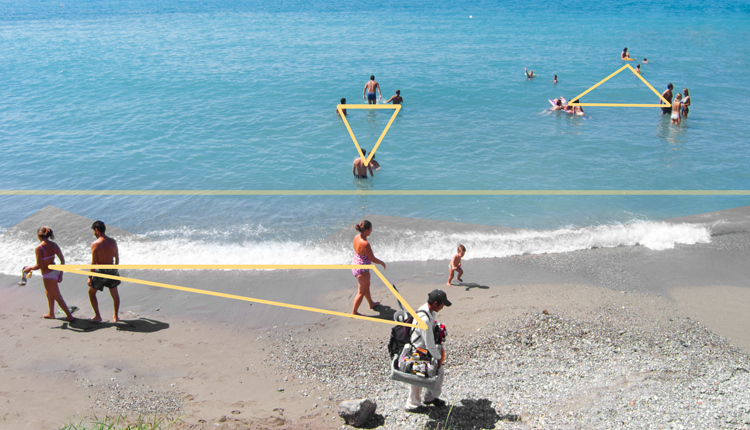
Numerologia casereccia, così, alla buona
E si certo. Mare spiaggia e da leggera balza l'inquadratura di una bella immagine: cartolina? E perché no, molto meglio della cercatrice di telline o l'immagine (mal impaginata, stampata da cani in fangosa piatta visione) della Munari, così come a pagina 33/34 fig. 2.30 e seguente del suo orrifico “Raccontare per immagini” by Feltrinelli/Apogeo a trenta euro da rapina. E d'altronde chi si contenta gode, ancor più Munari/Feltrinelli la editrice de li “compagni”: compà tu fatic' e je magn'!
E veniamo a noi. Una giornata al mare...con solo mille lire così cantava l'Equipe 84 su testi di Paolo Conte jazzman; canzone pure di Bruno Lauzi a suo modo. L'immagine in copertina è solare e movimentata nella sua “fissità” bi-dimensionale. L'inquadratura, a ben vedere, ecco, è zeppa di triangoli (ovviamente immaginari) su una tela cui sviluppo orizzontale è quasi tagliata in due (non si fa dico i Sacri Testi: di chi?) anche se vista, l'immagine, la battigia (non bagnasciuga!) non è proprio così suddivisa equamente.
Triangoli e solo gli essenziali: la mamma con bimbo ne è un altro con il venditore in primo piano; in alto a destra il triangolo triangola a sua volta con i bagnanti subito a sinistra (una di questi alza la mano in saluto, forse). Infine quei due, maschio e femmina almeno così sembra, in basso a sinistra presi sul momento di uscire di scena danno sale alla staticità, come pure il bimbo nell'atto di muovere.
Scatto su treppiedi (!) in formato Raw (che impiega una ventina e più di secondi a scrivere su scheda, allora meglio il più che buono Jpg!) di Olympus Camedia WZ C-5060.
Tutti al mare, tutti al mare a mostrar le chiappe chiare con li “pesci” in mezzo all'onna noi s'annamo a divertì della Gabriella Ferri non poteva mancare. Si pure Giuni Russo ce sta con la sua...me ne vado ad Algherooo...
Ps. Si è detto alla buona in headline, anche se in scena sono presenti ventuno umani: grand' piccl' e mezzan' o di ogni età. Sicché "il numero 21 è considerato in molte culture il numero della perfezione dal momento che è il risultato della moltiplicazione dei numeri 3 e 7, numeri a loro volta considerati perfetti. Tre il triangolo e Padre-Figlio-Spirito Santo; Problema-reazione-soluzione finale del Deep State luciferino ad Adenocromo. Sette, infine, il patto cui è pieno la Bibbia: il settanta volte sette Secondo Vangelo di Matto 18.21; sette i giorni della settimana, le spade nel cuore della Madonna...il settennato del Capo dello Stato 'taliano p' nuje ca ce chiangnimm' 'O Re, quello di Giancarlo Giannini e che avete capito!
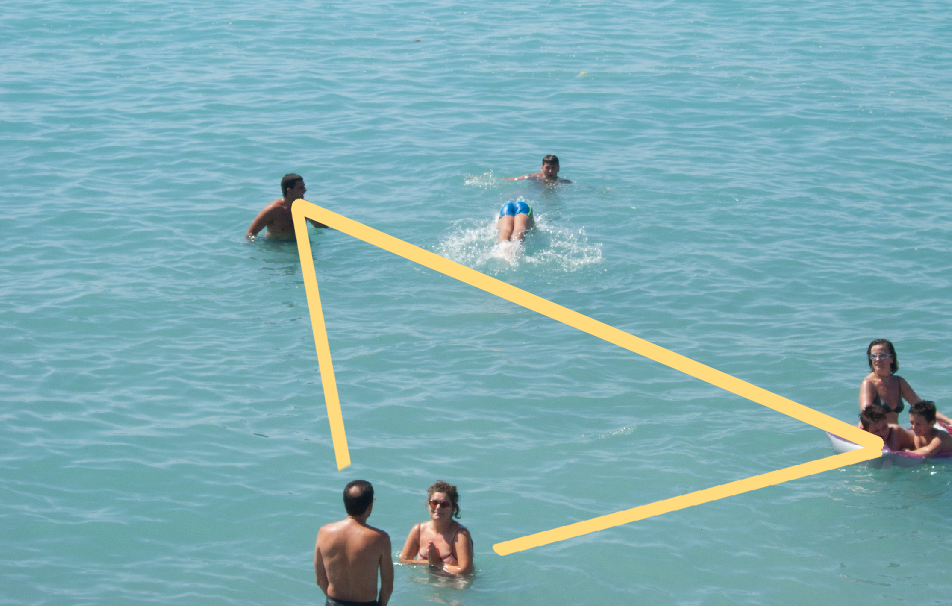
Pss. Il triangolo centrale e lo scatto successivo vedi link, zoom in, oltre alla triangolazione ( non meno dei bagnati retrostanti la coppia del vertice giallo con il tuffatore, anche qui, che da sale movimentando la scena altrimenti “statica”) coglie quelle mani giunte verso l'uomo per chissà cosa, sebbene acqua mare e forse...ci siamo intesi. Questo a ricordare che oltre i triangoli, quadrati cerchi ellissi del piano euclideo...non bisogna dimenticare di conchiudere pur nella bi-dimensione della scena una “storia”. Genere ex novo, certo, da inserire non già nella street photography ammorbante, quanto a ben vedere in "aquatic photography" da far contenta, forse, la Vestale del Pensiero Unico eterodiretta Munari
Manunzio photographer since 1969
Link immagine
Post precedenti
1
2
