
date » 18-04-2024 17:02
permalink » url
tags » ttartisan 50 mm decentrabile, decentrabile contax, nikon brand, olympus per f, micro quattro terzi, rollei sl 66, brand hasselblad, fotografia architettonica, fotografia still life, taralli portoghesi, photoshop elements, helicon focus, stitching panoramico,
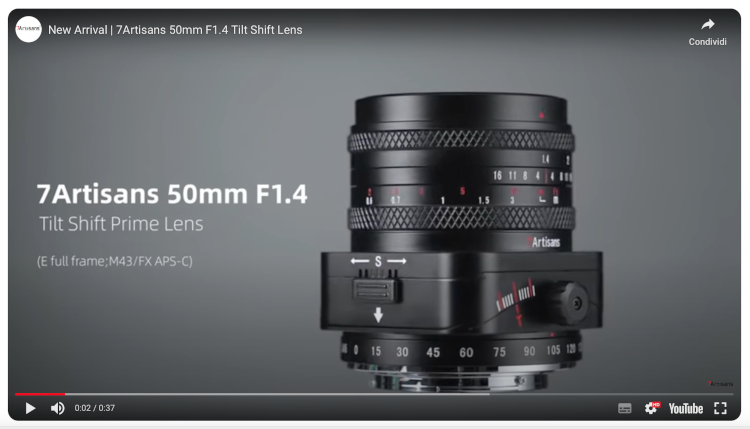
Taralli portoghesi
Buoni che è una delizia: immaginazione. Ora qui su questo Diario fatto di bottiglie messe in biglietti, ecco, l’immaginazione è al Potere come dicevamo negli Anni Settanta, quanto a Manunzio, eh avessi voglia!
Ora finito il cappello viene da osservare che i “taralli” qui han forma di lenti e della più che buona linea TTArtisan. Senonché da le sue linee un obiettivo Scifi & Tilt. Bene pure qua, solo che è un 50 millimetri e addirittura di luminosità unoequattro. Si sa che al calar delle tenebre di notte la cosa è buona assai. Forse.
Terminato il secondo pistolotto, sembra il grano del rosario dei Misteri Misteriosi. Obiettivo decentrabile: e per farci cosa? Quelle macchiette girate poi a velocità elevata che fa tanto ma tanto effetto termitaio, formicaio e via così? Se è per questo basta impiegare qualche attimo in Pshop & simili (meglio se editor movie, eh) e sparagh’ (risparmi soldi). Se poi, metti caso, s’usa una Olympus Pen F, l’interno ha la funzione che “emula” lo spostamento, che una volta serviva a far si che in architettura certi edifici non fuggissero otticamente in fuga verso l’alto innaturale: l’umana testa ha già incorporato simile ebrezza ottica e adderizza (raddrizza) le linee verticali innaturali, entro certi limiti si capisce. Ma tutta sta ammuina, ché di questo si tratta, la farsa dello shift (standarde) a dirla tutta si usa(va) su banchi ottici. Vabbene in Era Analogica, metti ancora l'imperante Nikon e saga F dal banco si infila il film 135 o Leica codice che dir si voglia, lo “slittatore” spesso ventottomillimetri (Olympus analogico ventiquattro) serviva anche per piccoli still life panfocus, lungo a dirsi uno scatto il farsi. E se proprio non si poteva portare a spasso il banco ottico la Hasselblad** aveva un accrocco (adattatore) simulante lo “slittamento ottico” per l’abbisogna. E la Rollei SL66 incorpora(va) il soffietto-piastra-ottica ergendosi e reclinando dopo l’uso, ovvio, torna(va) utile.
E sia: usavamo il trentacinque millimetri decentrabile su le nostre Contax dal costo iper-sproporzionato (e ci si lamenta delle lenti Leica!) con il limite d’essere corto. Tanto è vero che il trentacinque, e non solo su Leica, è quasi un obiettivo “normale” per chi capisce di fotografia.
Allora TTArtisan a slittamento varrebbe pena attrezzarsi con il limite d’essere pur sempre un cinquantino su le pieno formato o Full-frame. Impossibile su Aps-C pari poco più poco meno di un settanta millimetri; fuori dalla grazia di Iddio su Micro Quattro Terzi ché paragonabile, si noti paragone eh, a cento-millimetri. Troppo pure per still life alla buona. Soldi buttati. In primis e con Pshop (usiamo da incalliti dilettanti, ci dicono, la versione che sono dieci anni a nome Pshop Elements) si fa quel che si vuole, tanto chi se ne accorge a schermettino di iPhone o Android che dir si voglia? No eh. Tanto in Pshop quello “serio” che in programmi tipo Helicon Focus, che fa ottime cose per prova provata, oltre a pareggiare i conti (piani) con diaframma buono a F. 8 in più scatti si fan still life da leccare i baffi: Munari lei ce li ha?
Certo infine con “cucitura” (stitching) di più fotogrammi in ripresa esterna in post-produzione avessi voglia addrizzà chiuov’ (intraducibile, altrimenti…) di Squadra & Compasso per foto perfette di architetture “fuggenti” come l’attimo dell’omonimo film. Ma banale domanda: TTArtisan, passato nelle mani dei markettari vi fa fare (produrre) immagini che dicono qualcosa? Che strano silenzio…li fuori!
NB. Esula dal presente post ciò che alcune digicamere riesco a fare già al loro interno: panfocus o "tutto a fuoco" di un dato stili-life etc
**https://www.hasselblad.com/h-system/accessories/hts-15-tilt-and-shift-adapter/
(Copia & Incolla se vi pare)
https://www.youtube-nocookie.com/embed/BIjYFFn_Pvs
https://www.youtube-nocookie.com/embed/zqQsTlD7SlI&t=20s
Ps. Tarall'- tarallo - tarallaro è da intendersi in maniera ironica come uso in dialetto: ten' u tarall' 'mman' etc
Pss. E' solo "basculabile" e non anche "decentrabile"...serve solo a portare tutto a fuoco o fuori fuoco per effetti "formicaio". Non sono come le ottiche del caso Canon
date » 09-03-2024 10:33
permalink » url
tags » time lapse paesaggio, zeiss duecento millimetri, moltiplicatore focale, analogico, contax rts, quattro stagioni, fotografia paesaggio, thumberwald, saint-exupéry piccolo principe, acerenza cattedrale, basilicata lucania lucus, occhio come mestiere, acheronte infernale, fotografia pellicola analogica 135,
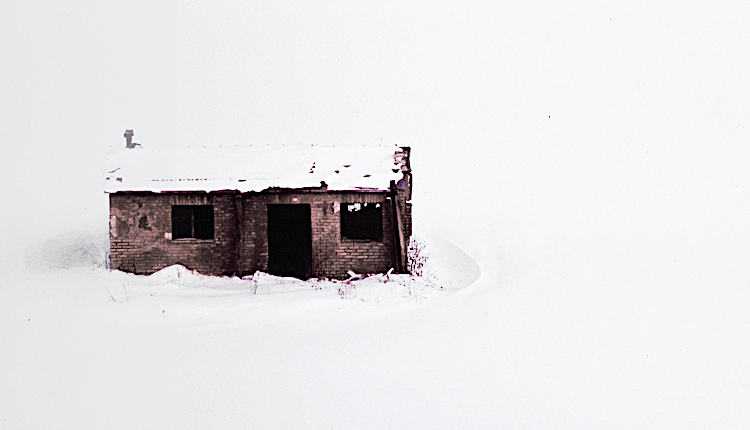
Behind the scene
Ottica 200 millimetri con moltiplicatore focale pari ai quattrocento, Zeiss su Contax Rts prima generazione (Anni 70) e pellicola...boh. Scatto analogico comunque. Ma ripresa vera o table-top si sarebbe detto con termine passato? Eh bella domanda. Tavolo con luce diffusa da destra, fondale bianco e...farina resa più bianca con candeggio, mettiamola così. La casa una scatola di quelle per i presepe? Finto ovviamente quanto sin qui detto, ché è presa reale su declivio cittadino poi sparito per far posto alla Universty of Lucania, ops che si incazzano e ci danno del nostalgico (durante il Fascismo questa landa si chiamava paro paro come ai temi de li romani: Lucus-Lucania. Poi per democratizzare la cosa post guerra l’han cambiata in Basilicata, Basileus bizantino, Cattedrale di Acheruntia che non è rima con l’infernale rio...Acheronte e non la finiamo più).
Lo scatto è la serie di un “time-lapse” a mano. Ci spieghiamo. No, non è la camera Rts Conatx e tenuta su cavalletto e con intervallometro e clicchete clichete la sequenza poi montata in MP4….None. Uno scatto a tempo: metti cavalletto togli cavalletto metti...per un intero anno e si fa notte. Niente MP4 che non esisteva, bensì scatti su le notte della Quattro stagione, niente Vivaldi prego, bensì la reale alternanza di stagioni. Perché? Mi intrigava sta povera casetta quasi diruta del tutto in un campo da sembrare uno still life vivo. Si fa notte pure qua...ai grandi bisogna sempre dire tutto, uffa...il Piccolo Principe de Saint Exurpéry memoria. Morale della tavola tutti in favola, no, mi pare il contrario di un Carosello d’antan. Ah manico ed occhio soprattutto di Manunzio mica si compra su Amaz...qualsiasi. Meditate gente, meditate se vi pare, si capisce!
date » 24-02-2024 09:42
permalink » url
tags » still life, food photography, orzo fotografico, tazzine caffè still food, luce riflessa fotografia food, panasonic fz 300, cavalletto manfrotto, rocch’ buenn’, uallera cuglia potentina dialetto, sara munari,
I nomi l’headline viene per conto suo a volte come bolle che salgono da non meglio identificata regione interna: cuore, fegato...milza e abbiamo fatto il soffritto!
No viene e se ne va. Lascia una scia e a volte ci azzecca, il titolo, simil entità senziente. Si certo sarà pure sabato pure con pioggerella infernale più che invernale, sia come sia (immagine-memoria) Rocch’ Buenn’ il caffettiere di Portasalza la scomparsa porta medievale del castello, ecco, da dove si scrive. Vero che altre memorie si sono conservate, più o meno a dirla tutta molto meno, delle mura, però. Però Rocch’ Buenn’ aveva un piccolo bar, che di inverno con pioggia e nevischio si rintanava al caldo aromatico di caffè, e pure cappuccino che sorbivo la sera di fianco tavolino del babbo, intento a giocar carte con il Professore. Cappuccino schiumato al punto giusto e savoiardi che si inabissavano che è un piacere, ricordo ancora ora.
Senonché nell’aprire la vetrinettà domestica, dove giacciono tazzine di caffè tazze di varie misure, boccali tutti in rigoroso bianco (per gli still-food-photography) una su l’altra, ecco, due tazzine da caffè a mo’ mini catasta, poi il resto viene da sé abituato in tanti anni: occhio come mestiere, via. Così stamani con sta cuglia* d’uggioso tempo, sistemato alla men peggio la scena ne è venuto fuori una cosa che centra una mazza con l’impressione primigenia (vetrinetta) però niente male, con quel punto nero di acino di pepe al posto dei chicchi-caffé che non so’ più la fine fatta. E poi in tempi di AI che sarà mai “simulare” un chicco di caffeina seppure questi, il chicco si è detto, pepe è?
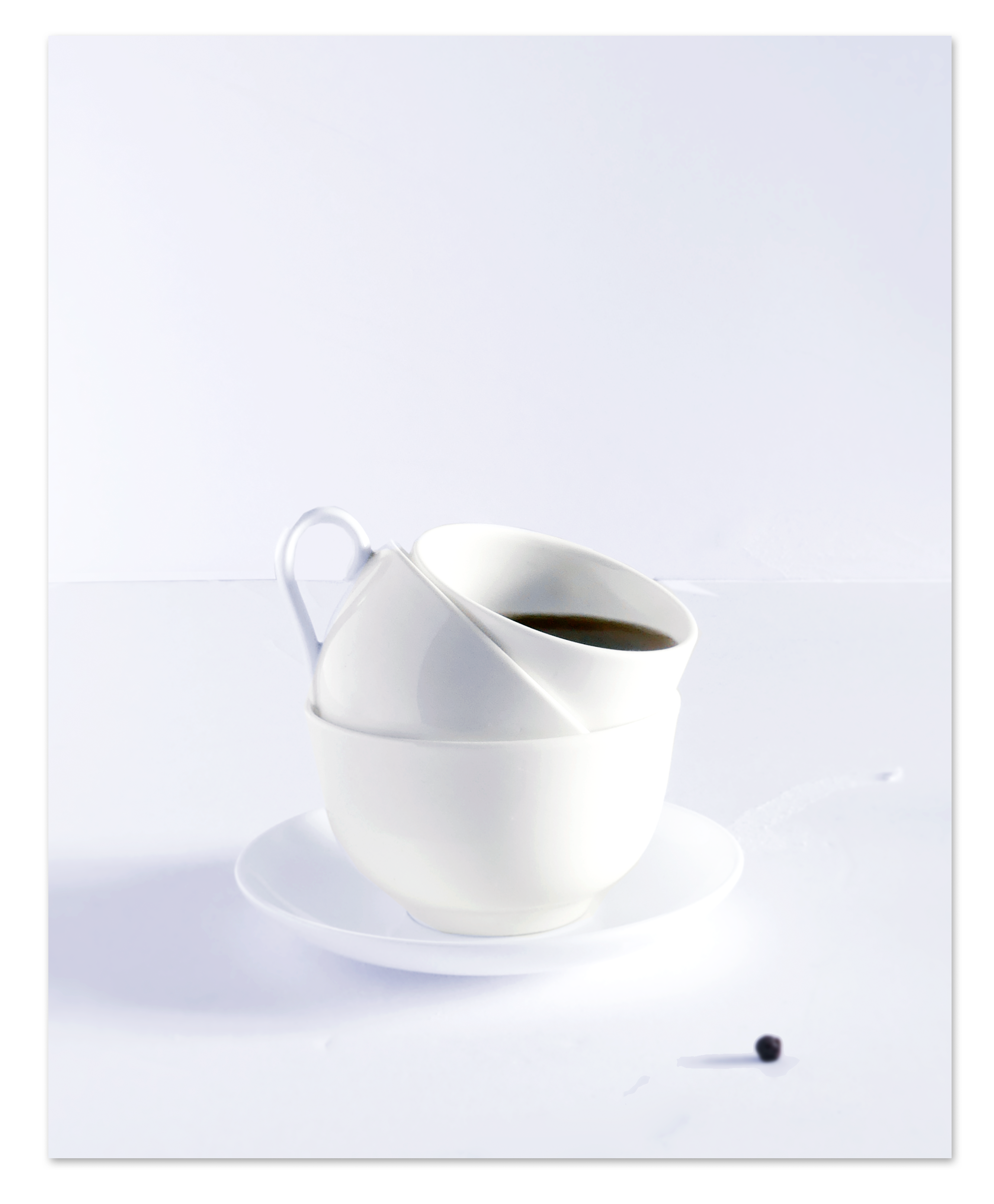
Ah certo tutto di riflesso la scena con pannelli di polistirolo a “sbiancare” le ombre; fotocamera per “dilettante” Manunzio è certificato tale, dicono, su sgangherato Manfrotto d’una trentina ed oltre anni fa. Il resto è il “manico”: eh Munari lei di manico se ne intende!
* in napoletano suona uallera, scroto “gonfio” e non per l’abbisogna quanto pieno di “aria” di certa stizza-noia-rottura di...uallera
Ps. Stavo per mettere in tazzina del set quel po’ di caffè rimasto nella moka domestica, e volete voi? Braccia a i fianchi come a dire:’mbè?” Ecco che l’orzo solubile è entrato in set sotto l’occhio arcuato e accigliatissmo del coniuge. Manunzio è tollerate e da buon napoletano, accomodante
date » 05-01-2024 12:19
permalink » url
tags » ottiche zeiss, 50 mm 1.8 zeiss contax, fotografia analogica, era digitale olympus, ep2 olympus acamera, ottica zuiko 12-50 f.35, tessar occhio aquila rolleiflex, formato analogico 24x36, full frame digitale, sara munari uber alles, zzzzz…?!, ottica yashica 24 mm, zuiko lens brand olympus,
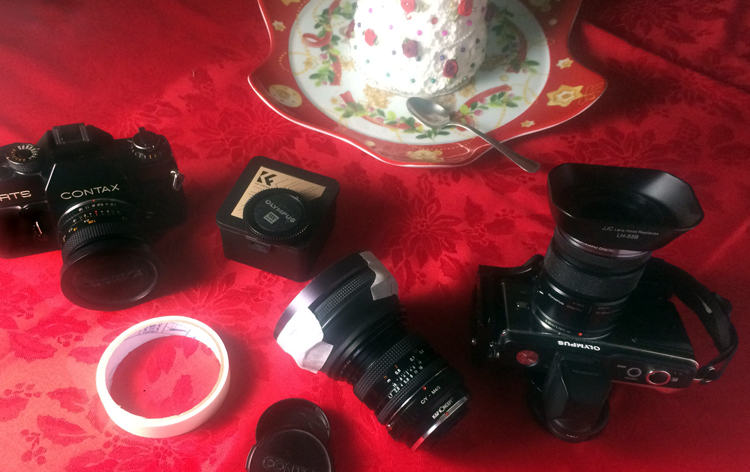
ZZZ…
Lo still life risente gli ultimi scampoli delle feste natalizie. Da sinistra a destra (cover) la cinquantenne RTS prima versione Contax, massiccia e dal peso molto pro, così una volta. Attaccato il 24 millimetri Yaschica, vetro notevole che condivide con lo Zeiss (al centro 50 millimetri incerottato per l’abbisogna) pari bajonetta per l’interscambio ottico e non solo fra i due brand; in alto lo scatolotto, un buon pezzo di metallo K&F Concept Micro 43 (lato camera) e attacco ottica il richiamato Yashica/Contax. A destra la Olympus Ep-2 con attaccato il 12-50 f. 3.5 che alla massima estensione diventa un “buio” f. 6.3 che va bene per l'outdoor tout court.
L’intabarrato 50 mm Zeiss via adattatore, allora, s’innesta senza problemi alla Ep-2 (provato anche su Gh4). E naturalmente tanto i fuochi che i diaframmi sono da impostare come una volta in Era analogica a mano sfruttando casomai invece della M(anual) l’esposizione A o priorità dei diaframmi.
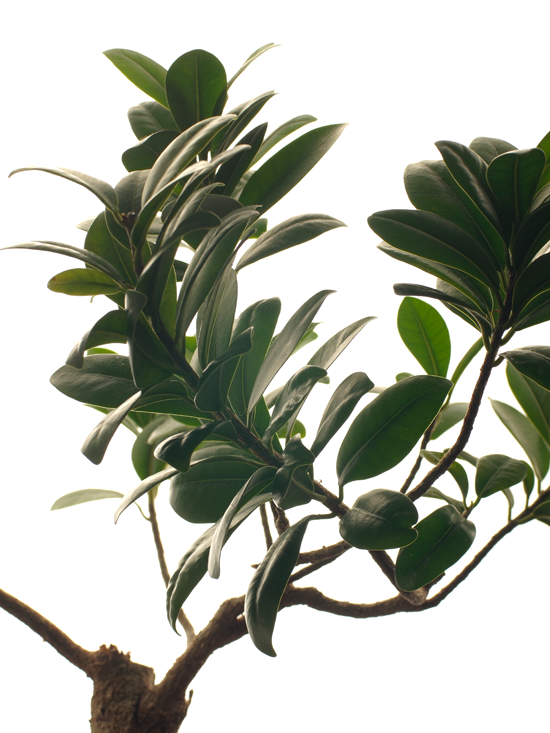 Sia come sia il 50 diventa magicamente “100 millimetri” per crop intrinseco al formato Micro 43. Ora tutto il, diciamo, fotogramma che restituisce è d'una cremosità molto gradevole; viceversa il “piccoletto” della Olympus ha un "taglio" micidiale. Certo parliamo di due ottiche diverse: lo Zeiss oltre gli anni, ma buona ricetta ottica, serviva il formato 24x36 che non è affatto il FullFrame detto, e si tira notte, no. Progettato per l’Analogico bisogna conviverci con il suo “farsi” anche digitale via adattatore, e ne vale la pena. Altrettanto certo il fatto che su cavalletto, non altrimenti e non sperimentato on street, la Ep-2 + 50mm è “a mort’ sua” uso dire o dell'accocchiata (accoppiamento, sinergia) e gradevole pastosità da gustare.
 Infine il fatto che il 50mm Zeiss a diaframma “sparato” qui f. 1.8 non avete bisogno di menar trucchetti in Pshop o l’arzillo Gimp (complicato a dovere ma micidiale nei risultati) ché i bordi, considerato agli effetti pratici che è quel che conta in definitiva, il medio tele “100 millimetri” de facto restituisce dal centro alla periferia dell'immagine un godibilissimo sfocato, o Bokeh che dir si voglia. A diaframmi intermedi lo stesso e sino a f. 8 va che è un piacere, dopo c’è diffrazio. Cosa ottima, metti caso, per il ritratto che, tuttavia, fosse stato su pellicola analogica un filtro (fosse pure un pezzo di calzetta di donna uhmmm) per ammorbidire il volto più che consigliato, necessario. Per chi sa di fotografia (eh Munari) gli Zeiss quanto a "taglio" fuguratevi, e siamo la generazione Rolleiflex e Tessar, sì, il famoso Occhio di aquila quanto dire. E sul digitale, ancora, lo Zeiss da una incredibile pastosità lo si ripete. Quanto all'incartamento, o meglio un doppio paraluce “accocchiato” tanto per il test è tassativo per i riflessi ché la prima lente è quasi raso il barilotto. Tuttavia, non ricordo se il lens flare del caso veniva su pellicola, mai fatto caso e mai a dir vero presente grazie, comunque, a quella rossa T con asterisco a testimoniare per l’epoca di cinquanta e passa anni fa, l'eccellete rivestimento lenti Zeiss.
Ultimo ma non da ultimo il “piccoletto” Olympus usato a paragone (non trovate immagine ma vi basti parola) se la cava benissimo e, s’è detto dal buon “taglio” pur essendo uno zoom e gli Zuiko non sono acqua: vero Leica? E Zeiss & Zuiko fan cose turche!
Link immagine originale senza intervento alcuno sul file, Ep-2 adattatore e 50mm Zeiss, cui si apprezza il "pelo" delle foglie senza maschera di contrasto, un'altra notazione non di poco
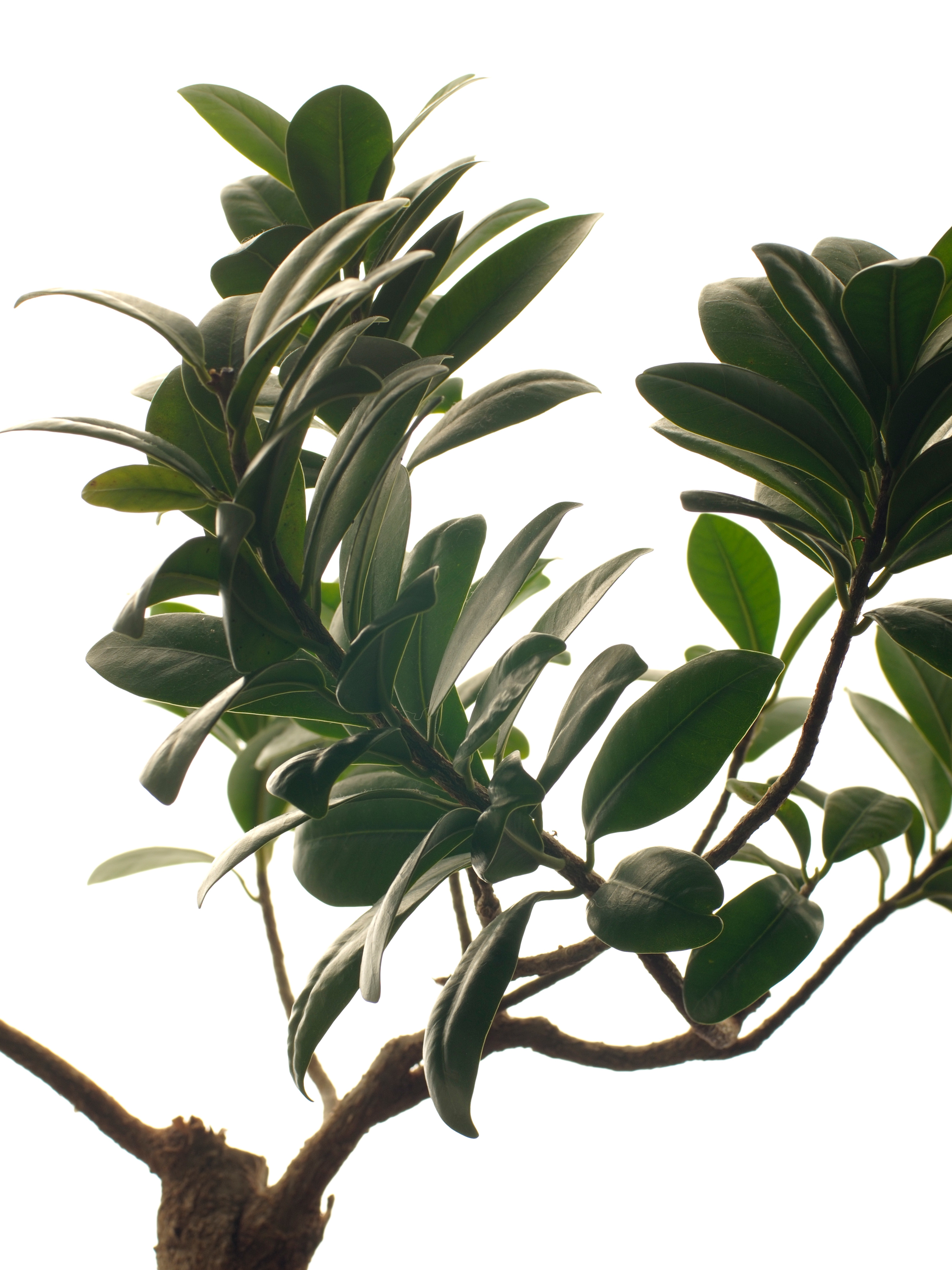
Ps. Il richiamo a certi attrezzi, lenti e fotocamere nel post lungi dal costituire pubblicità è “roba” di Manunzio: di sua tasca. Zzz titolato è perché sono, le lenti, con pari lettera Z(eiss) Z(uiko) sempre cose turche riescono ambedue!
date » 16-12-2023 21:36
permalink » url
tags » giovanni gastel afip, associazione fotografi milano, fotografia analogica, ilardo e vezzoli studios, milano da bere, giorgio gaber, gioele magaldi venerabile mambo, afip lectio magistralis, zuccolin studios,
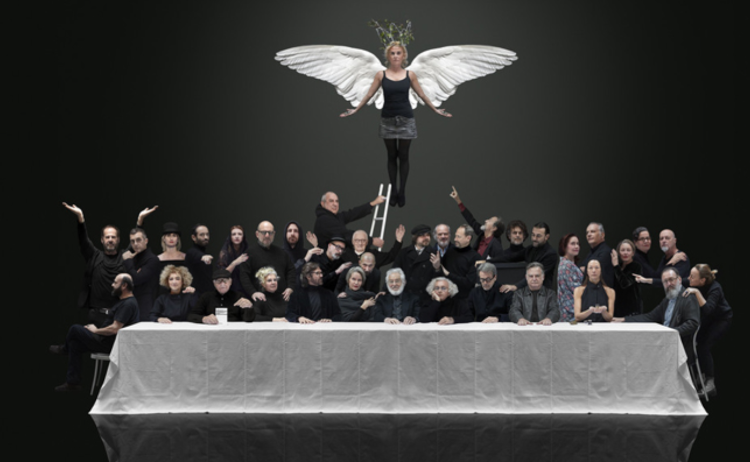
L’immagine vede la tavola (Ultima cena alchemica) piena di personaggi forse in cerca di autore ed in nero (nigredo?) sovrastante una farfalla bianca (albedo?) per giunta femminile (Grande Madre!) attaccata o in segno di, a destra, in rosso (!) il Presidente Gastel con indice alto nell’ evidente ascensione finale (rubedo?).
Al centro il canuto napoletano Mimmo Jodice novello "fratello" Raimondo di Sangro principe di Sanservero con a latere, assisa a destra e dell'emisfero cerebrale, una riconoscibile “Maddalena” del Nazareno-Messia-Maestro.
Messinscena alchemica di trasmutazione, personaggetti scelti e selezionati uno ad uno, qui la Casta sacerdotale dei “fotografi”. A destra alla mensa (!) non in abito talare il barbuto Maurizio Rebuzzini già di Foto/graphia
Il treno perso, ancora uno: Giovanni Gastel
Proprio così: tutto ciò che si poteva perdere (treni navi aeroplano e metropilitano per far rima) s’è perso per incapacità mentale. Punto. Che bello se fosse così: bianco e nero. La vittoria, uso dire, ha tanti padri mentre la sconfitta è orfana. Doppia bellezza!
Incontro il Presidente (AFIP) Giovanni Gastel nello studio di Zuccolin, almeno mi pare chiamarsi, mentre è intento il “Comitato centrale” dell’Associazione fra aromi di cucina già di buon mattino. Infatti nel vano cucina dello Zuccolin studio una cheffa mastriava (si da da fare) tra fornelli e giallo zafferano. E dire che il risotto di giallo erbatico l’avevo provato la prima volta vent’anni prima dei fatti, anni Settanta del Novecento passato a miglior gloria, a più di duemila metri d’altitudine in quel di Sentrieres (Piemonte) dalle mani di zia Lina, sorella di mammà, napoletana di Ercolano: a famiglia, le origini, di Manunzio sono sparse per tutta la Campania, un dì detta Felix. Mah.
Avevo portato seco, mamma mia che poetare, una cartella di fotografie, reportage dell’Ora meridiana e le mostravo a quei fetenti di “fotografi” à la page di moda e réclame varia: eravamo, Cicero pro domo Manunzio, al solito, in anticipo e su i tempi della Milano da bere, provincia della provincia come cantava il Signor G(aber).
Sembrava, anzi, il richiamato Comitato, d’essere osservato più per le fotografie come attrazione circense, da animale in zoo comunale! E l’unico che ci capiva più o meno era Giovanni Ilardo associato al Vezzoli studios lombardo, napoletano d’origine che dell’ora contraria ricordava qualche “fattariello” di gioventù.
E venne lo sguardo del Presidente: uhmm. Il Gastel fotografo di Moda, noblesse oblige, con trascorsi di still life, disciplina iniziatica dei fotografi che tali si dicono. Iniziazione, pensa te, non come i grembiulini di Rito York o Scozzese o vattelappesca. Luce e che luce, pure qua. Una fratellanza di liberi fotografi più che muratoria mestatori! No niente iscrizione a Logge, ci mancherebbe di trovarsi ad avere per “fratello” metti caso Gioele Magaldi, si, quel furbo di tre-cotte “Massoni a irresponsabilità illimitata”; della Milizia (fascista?) Roosevelt durante la furbata del Covid, arma chimica di depopolamento e non la finiamo più.
Sia come sia poi lungo il tragitto degli anni Novanta passati, il Comitato (bella tavola imbandita vedi cover) sotto l’affabile Gastel lasciava gli ormeggi del vecchio associazionismo di fotografi, sempre à la page, per solcare il mare dell’Arte (famose o famigerate, cambio d’ottica dipendente, la sua invenzione: Lectio Magistralis) pensa te, nel momento in cui il Gastel (ne scrissi ad personam) riciclava le sue “istantanee” così la sua autobiografia letta e riletta con riluttanza, di Moda fatte passare, ecco, ad Arte. E ci vuol poco nella Milano d’antan di amici degli amici lo scambio, sempre ad arte si capisce. Maîtresse asserragliante in redazioni di giornali, zoccole rotte davanti e di dietro; richioni, oops checche, impenitenti lo zoo di mostri a fabbricare il nuovo Gastel più bello e gaio che pria: grazie. E grazie al c...omitato nacque pure il nuovo logo AFIP (se vi va raffrontate in rete vecchio & nuovo) che se lo paragonate all’antecedente viene da piangere: time is money e nun ce fa perde tempo. Il vetusto l'espressione di “comitato” mentre il gastelliano a puntini qua e là (e ne scrissi e ne ricevetti dal Gastel “Non ti piace, eh!”) tipico di società allo sbando, e però a Stelle e Strisce because is very nice. No allora ed oggi che son rimaste manco le ceneri AFIP. Dipartito il President, che pure mi aveva scritto e lasciato un bigliettino “vediamoci”. Eh Presidente pur della stessa Classe lei è andato prima per mano del Covid, dicono, quanto a chi scrive...avessi voglia “dopo” ad incontro: basterà una Eternità?
(Copia & Incolla se vi pare)
https://www.manunzio.it/page-d9271
Giovanni Gastel - La ricerca dell'assoluto - Documentari Fotografici #16 - Biblioteca Fotografica
https://www.youtube-nocookie.com/embed/vgNyB6JOl74
“La Fotografia: Arte Applicata”: lectio magistralis di Giovanni Gastel
https://www.cnaviterbocivitavecchia.it/eventi/la-fotografia-arte-applicata-lectio-magistralis-di-giovanni-gastel/
Afip Lectio Magistralis
https://www.afipinternational.com/news/category/lectiomagistralis/
date » 08-10-2023 12:47
permalink » url
tags » fotografia still life, jung creatività, luce finestra, window light, bianco e nero fotografia, tabletop photo, available light, fotografia digitale, digital camera olympus,

Il gioco e la creatività giacciono su lo stesso piano
C. G. Jung
date » 01-09-2023 12:09
permalink » url
tags » food photography, foto cibo, still life food, natural light photography, light paint photography, caravaggio stile, scene cibo, olympus food photography, point & shoot food photography, thumverwald, food in posa,

Ogni promessa, a volerlo, è debito
Immaginate l'estate de facto terminata oggi durante il quale vi siete fatti prendere, come abitudine poi già complice la calda luce mediterranea dei primi raggi mattutini, dallo scatto “artistico” e anche per questo avete allungato il “brodo” della promessa fatta circa il Manunzio still-life e mangereccio quale “accidente”, diciamo così. Questo per dire che il semplice “piatto” di minestra, ecco, a mo' di ricetta poca interessa a Manunzio, poiché è sotteso il più delle volte, questo o quell'altro “alimento”.
Sicché non aggiungiamo altro alla fatica, solo per mettere in “vetrina” si è impiegato due giorni per altro finanche dodici anni, così dice l'EXIF. Certo lo zampino del diavolo c'è (la perfezione non è di questo mondo, fine a se stessa poi non ci frega de meno) e se ne fatto ragione. A dir vero infine c'era un'immagine suggestiva che si è preferito per altra volta; decennale anch'essa still-food ancorata ad un passo biblico (tutti i cosiddetti artisti e quelli con fregola, se tali sono, non possono che rileggere, prima o poi, il Libro dei libri dell'Occidente tout court) e però i giovani digital connessi cosa gli cala?
Basta così, va, ad intenditor poche parole il traslato latino: un si sa mai quanto a squola!
Link pagina food (fresco di stampa...)
Manunzio photographer since 1969
date » 20-07-2023 11:32
permalink » url
tags » cesare pavese estate, camedia olympus c 8080, manfrotto 190 cavalletto, still life, food photography, window reale still life, studio foto lampo potenza, sensore 2/3 vs 4/3, amaro lucano, amaro montenegro, aceto still life, estate caldo africano still life, stagione estiva,
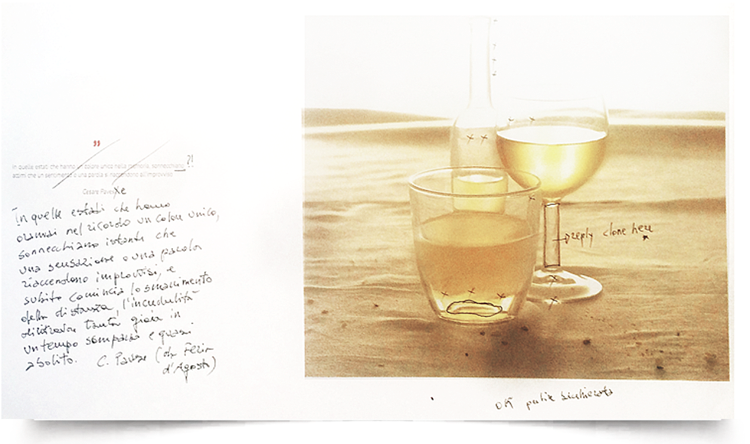
Stagione estiva, ieri oggi e domani
Tanti e troppi anni fa mentre preparavo i bagni (non acquatici!) per la stampa quotidiano della Foto-Lampo, già ricordato a josa, la radio in camera oscura a tot ora con refrein richiamava la cocente estate: non solo ora che Televisione & Regime angosciano di change climate antropico, quando finanche il premio Nobel Rubbia “dissente” (con buona pace di Mentina e suo eterodiretto Open pro Covid, da ultimo) dal mantra Pensiero Unico.
Sia come sia in camera oscura, ritorno ad incipit, quando nessuno era nei pressi ci stampavamo i nostri bianconero still-life, a volte di food altre volte “Natura morta” a loro e chi ha coniato il vocabolo!
Sicché a distanza di tempo con il digitale è tutt'altra faccenda accorciandosi la filiera pensiero-braccio. E qui la “dritta” su la messinscena della copertina.
Fondale copri tavolo che mal sistemato e spiegazzato, su le prime lì per lì durante lo scatto, mica sembra simil sabbia. Infatti si era interessati ai vetri, riflessi caldi attraverso solita window/finestra vera esposta a Sud. E vetreria di bicchierone, coppa e smilza bottiglietta. Ripiena di nettare vino bianco? Macché due gocce d'aceto diluite in acqua, proprio così. Altre volte drops di Amaro Montenegro e/o Amaro Lucano a “piacere”...
Nient'altro che luce della finestra richiamata, a cert'ora del giorno, prima che il tragitto solare (pure lui tiene famiglia!) declini a pomeriggio; pure buono ma l'atmosfera è per altre cose, degne di essere narrata, forse per una prossima.
La digicamera, dite? Point&Shoot Olympus C (amedia) 8080 a 50 Iso da sballo su CCD Kodak, tant'è che se la vede, e fa vedè sorci verdi gialli e altre cromie, finanche con doppio superfice “sensoriale” 2/3 vs. 4/3 della mitica E 1. Certo macchina sul Manfrotto 190 Old version. Tutto qua.
Sì è una stampa di prova su cartaccia di copisteria, così la copertina del post, utile tuttavia a farsi idea dal “vivo” non meno, correggere questa o quella cosa che troppo spesso a monitor si dà per scontato: come leggere a “pappagallo” uno scritto ed accorgersi che il “correttore” legge quello che c'è a monitor mica nella capa. Succede oh se succede.
Ancora (impaginato) troverà posto il complemento-integrazione, richiamo di Cesare Pavese. Pavese: di “Lavorare stanca” da Canelli fianco a fianco il vignaiolo zio delle Langhe? Proprio lui.
Finalino: scegliere fra un migliaio d'immagini, ne parleremo a suo tempo, impaginare...stanca, giacché le mani puoi fermarle a riposare la capa no, funziona sempre e non ha orario, almeno per Manunzio!
Ps. I soliti del Pensiero Unico ci avevano detto a fracasso dei c....ome si chiamano, e ci siamo capiti che l'Era computerese avrebbe abolito la carta: cazzate casomai raddoppio esponenziale senza se e senza ma. Tuttavia un file a video ci devi stare seduto davanti, un impaginato pure se abbozzo su carta non consuma corrente “ecologico” in nuce com'è. L'apri, nel caso dalla pila di fogli, sfogli e scarabocchi con note a margine
Pss. I richiami ipertestuale, diciamo esatti, al verso/paragrafo Manunzio l'ha chiesto invano all'amministratore Myphotoportal, senonché vi beccate l'intero post come pure si sorbe chi scrive che a volte farebbe comodo arrivare al “sodo”. Mi si dice che unico grafomane Myphotoportal scordi la “feature”. Sic transit gloria mundi, no? Amen
Manunzio fotografo sin dal 1969
date » 04-07-2023 11:33
permalink » url
tags » luce ombra parmenide, eraclito strada facendo, chiaroscuro fotografia, luce naturale fotografia, luce artificiale fotografia, umberto eco pendolo focault, nome rosa umberto eco, linguaggio fotografico, mito caverna platone, manuale munari, jachin e boaz massonici, pensiero unico munari,
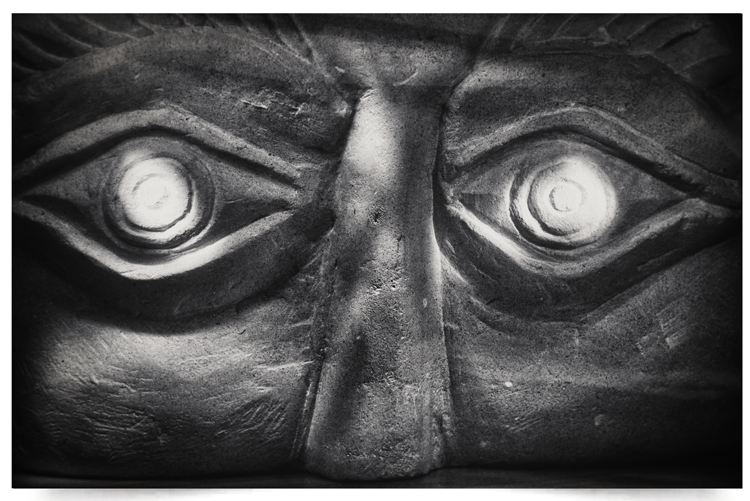
Non troverai mai la verità se non sei disposto ad accettare anche ciò che non ti aspetti. Eraclito. L'immagine calcare al naturale color “cemento” è del tutto insignificante alla cosiddetta luce del giorno, un pezzo di “qualcosa”. Scontornata in bianconero e con luce led cinese puntati su gli occhi acquista, quantomeno, più pathos; luce-scrittura che non si trova su manuali friggi & mangi eterodiretti dalla Centrale del Pensiero Unico
Luce & Ombra (Delenda Munari est, eziandio)
Il precedente post prendevamo distanza, motivandone, da certa manualistica d'accatto che pretende (Munari docet) di insegnare fotografia e con tanto di mantra, dice la maestrina richiamata, “trasmittente-ricevente-canale...di Sicilia per i naviganti” per darsi aria autoreferenziale d'altronde tanto di “passaporto” (Avatar?) su la Home page Munari/Myphotoportal by Nasa (Never Aereospatial Agency) anzi se fate a meno della finale, diventa Nas, ossia National Stars-Stripes Agency Spionage...e siamo in assonanza con il Poeta: leggi Ezechiel!
Sicché la “full immersion” altro dall'alchimia Dark-room per rinsaldare l'Origine della Luce.
Tutte le cose si dicono luce ed ombra, e poiché luce ed ombra sono presenti a questa e quella cosa, secondo le loro possibilità, il tutto è pieno di luce e invisibile ombra, e luce e ombra sono uguali perché nessuna prevale sull'altro. Parmenide
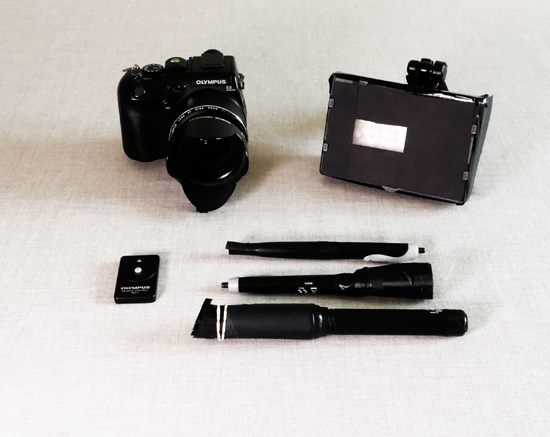 Sopratutto immersione con boccaglio e pinne equivalente, mezzi rudimentali(vedi immagine in piccolo) come una penna led ad “illuminare” tutt'intorno il Nero materico che potete sentire, anzi “toccare”. Questa è la Quintessenza della Fotografia. Infine padrone della Luce potete fare qual c...che vi pare, niente vi sarà precluso dal Micro al Macro, come in Alto così in Basso.
 Sorta di Ps.
La Munari bontà sua nell'immediato ha partorito un nuovo libercolo “Troppa fotografia, poca fotografia. Riflessioni sui linguaggi contemporanei” Ahh la nostra ci tiene assai a fare l'Umberto Eco in gonnella, oscillando fra il Pendolo di Foucault & Nome della Rosa. Fate mente che ci sono “colonne d'Ercole” alias Jachin e Boaz, che non posso essere superati bellamente, giacché si finirebbe con fare i “teorici” amici degli amici, e, a sto punto addio Fotografia. E fateci caso la Munari per quel si vede non uno che sia uno scatto intrigante che la ricordi qui e in aeternum! Non una fotografia, di strada su la strada a cert'ora del calar sera si intravveda il “bello”. Non a caso, non certo un caso!
Insomma buttate i manuali e della Munari che non vale una pagina, sempre stampata da cani, non a caso! Prendete una lampada a led e capitene la malia, nel buio totale s'è accennato. Dedicate tempo assai a fare still life, disciplina del fotografo per chi vuol dirsi tale, più ancora, se in post evirate il colore per il B&W meglio ancora. Archiviate nella capa vostra le variabili luce-ombra. Senza fretta, poi uscite (!) dalla “Caverna di Platone” dove la eterodiretta Munari vi tiene incatenati a moduli fottografici, ecco, refuso di certo non è, che risalgono ai tempi di Babilonia/Babele per chi intende. Aria, aria via: lato traslato e fate come ve pare!
Link precedenti
Uno
Due
Tre
Quattro
Fine seconda e ultima parte
date » 17-06-2023 11:59
permalink » url
tags » still life palestra, food photography, dark food photography, fotografia digitale, linguaggio fotografico, genere fotografico natura morta accisa, capitale assassino, covid oms fauci bigpharma, banco napoli non si impegna, tabbacaro chiacchiere vende, pensiero unico fotografia, luigi boccia fotografo cibo, cibo fotografia,

Chiacchiere il tabaccaio vende
e il Banco di Napoli non s'impegna
Ciarle, parole vuote riempite di nulla. Omologazione, voglio ma non posso (devo?) e via contando. 'o Sistemma Kapitalista (sempre k as killer) vende fumogeni, slogan, ma guai a chi discosta dalla strada tracciata. Guai veri, ostracismo, espulsione morte sociale e fisica per chi si oppone al Pensiero Unico. Cose da ultimo visto sul Covid Fauci-Oms-BigPharma pensiero, prodromo del Fascismo planetario in progress. Inimmaginabile per chi non vuol vedere né sentire.
Sicché 'o Sistemma addà fa vedè che un “alternativa” c'è sebbene, s'è accennato, a salve naturalmente. Natura che c'entra come cavolo a merenda, anzi la dice lunga sul vocabolo sacrilego per i soliti grembiulini, non a caso l'Intelligenza Artificiale l'ultimo step: solitario triste e finale con tanto di depopolamento manu militari pendant.
E dunque un link ad un fotografo (incrociato in cerca di dark photography**) dal look per certi versi stile Elton John d'antan, che dice cose sensate. Anzi a seguirlo (sottostante link) è utile palestra nel momento in cui, siamo d'accordo, accenna allo still-life quale palestra base per il fotografo. Strano che in certa manualistica d'accatto non si fa cenno: e te credo. Quieta non movere e mota quietare sinnò si incazza la giostra degli acquisti. E per un'altra volta daremo prova “ulteriore” della cosa, ossia still-life insospettato. Stay tuned paisà!
**Fotografia dark in zenitale
https://www.youtube-nocookie.com/embed/6A8ovsRGUQI
Youtube
https://www.youtube.com/c/LuigiBoccia, segnatamente “Uscire dalla comfort zone”
