
date » 05-04-2024 12:29
permalink » url
tags » oliviero toscani ponte morandi genova, fotografia stradale, cartelli stradali, 33 rito scozzese, réclame terranova abbigliamento, allah akbar, sostituzione etnica, meticciato amorfo, colonizzazione italia manu militari, mondo delle regole capitaliste, thumberwald, quota periscopio,
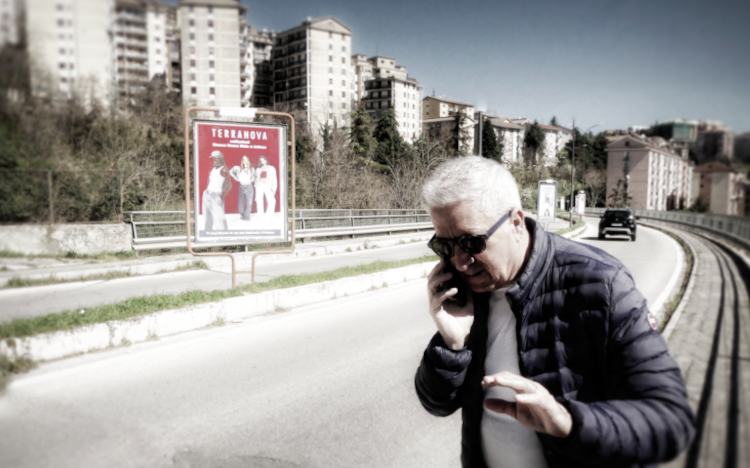
 Quota periscopio, acque target e altro che proviamo a narrare in uno due tre...click. E dunque Terranova marketing che, inciso, è tutt’altro suono (energia) dal dire o scrivere Nuova Terra, oltre al fatto che l’appellativo geografico richiama in chi scrive si capisce le coste del Nord america e di Erick il Rosso ante Columbus natu est, e non la finiamo più.
Sia come sia pubblicità, va, vile messinscena sul solco di quello squallido ottantenne a nome Oliviero Toscani salvato per grazia ricevuta dal crollo del Morandi cui doveva transitare: certe appartenenze, pagano.
Terranova** e che sarà mai? Infatti qui sopra noi che scriviamo lo sconnesso ponte, di quarant’anni fa e da abbattere a più che modesto parere (c’è una denuncia di Manunzio corroborata da immagini e perizia tecnica e di altro ancora, regolarmente archiviata, si vede che il Tribunale appena sente Manunzio...) una fila di cartelli di réclame richiamano il prima e il dopo. Sicché se ritornate per un attimo su l’immagine di Toscani tutto fila più che liscio, perfetto per chi capisce. Depopopolamento e sostituzione etnica sbandierata per “nuovi orizzonti” di meticciato senza ieri né domani, non a caso il Cancel Culture. “Bimbi” del cartellone è eloquente: un africano giocondo a cavalluccio, su la schiena, colonna vertebrale di 33 vertebre di Rito Scozzese: che faccio continuo? Un bianco sperduto!
Sul fondo immagine, altri bambi cui una muta triste solitaria e finale, a sinistra mentre l’altra controcampo ilare e gioconda a destra, che per l’appunto se la ride. Altra immagine: visto niente? I suppose. Due men uno riccio gioiosamente ridens dritto e...turgido, va. L’altro? Bianco piegato che va a sinistra per l’uscita di scena: lato traslato e fate come vi pare.
Infine Last but not least la copertina, cover. Immagine a sinistra appena detta, cartellone con donne stavolta, bogomba nera a sx etc etc etc. Sì, il tale a destra, che conosciamo, colto proprio nell’attimo di passare sotto quota periscopio per non farsi notare e con la sinistra mano quasi a volersi scusare dell’impallato. Piegato anch’egli e pure ex Private Policeman. Tombola!
**Terranova (Fashion Brand del gruppo Teddy Spa) ha aumentato le vendite dell’88% grazie al lancio da parte dell’IACT VISIONI delle campagne Advantage + shopping di Meta
(Copia & Incolla se vi pare)
https://www.sanmarinoinnovation.com/comunicati-stampa/terranova-ha-aumentato-le-vendite-dell88-grazie-al-lancio-da-parte-delliact-visioni-delle-campagne-automatizzate-advantage-shopping-di-meta
Ps. Del richiamato link sovrastante vi si apre un quartetto, cui il negro si inchiappetta una morente e pur godente donna bianca con mano destra nel segno delle corna sataniche; immagine che pure richiama iconograficamente il Toscani-Benetton e che vede un angelo crasso abbracciare un negro con capelli cornifronte. Gli altri due commedianti a destra: il bianco con cicatrice sul cranio e la ragazza iper-capelluta tenerlo per la vita prima della stramazzante fine. Seguite sempre Sara Munari & Co e si raccomanda il di vostro cervello (!?) all'ammasso che...di diman' non v'è certezza. Firmato Nuovo Disordine Mondiale, via Kiev e Tel Aviv corrente, pur sempre quei dell'ultimo Covid!
date » 23-12-2023 11:57
permalink » url
tags » fotocamera analogica, digicamera, ritorno analogico, corsi ricorsi fotografici, manzoni merda artista, santanché vs berlusconi, puttane notturne mina, lucio dalla erotico song, brics allargati, natale, rmakina aviglianese, dialetto aviglianese, dialetti gallo italici, dialetti meridionali,
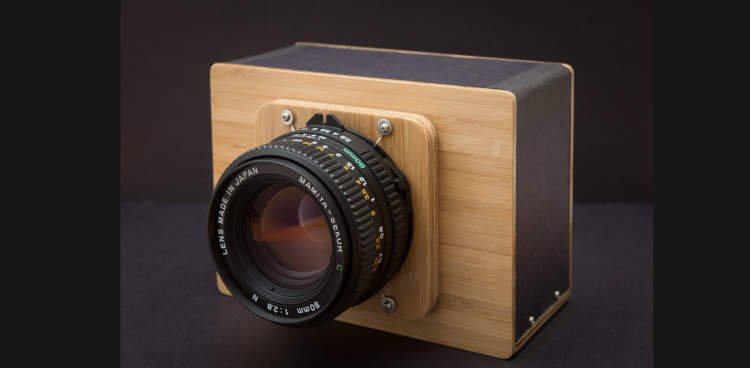
R'makina
C’era quel tale artista (Piero Manzoni) che vendeva la sua merda in scatoletta dal contenuto netto gr. 30: chissà chi le avrà mai comprate (gustata?) firmata e griffata!
Sia come sia l’importante "è finire" come cantava Mina (noi vi aggiungevamo il coro dalle brandine serale della camerata di naja, servizio militare che sembra ieri cinquant’anni fa) e finire per finire, botti non ancora di Capodanno: danno del capo? Sta di fatto che per fare besenisse, la scatoletta in caso di specie non serve più o meglio...e fotocamere retrò, c’est plus chic.
Sicché se prima del digitale molto terrestre, era contr’ordine compagni che l’America manu militari pretende: buttate le analogiche. L'odierno ri-contrordine, compagni, daje, buttate un pochino le digicamere e comprate, sempre manu militari, le analogiche in ogni salsa. Ritorno motivato, sempre loro, dei giovani yankee analfabeti: ameri + cani. Un ‘altra del solito Manunzio in vena prenatalizia? No e che c’è un sole da primavera anticipata, anticipo continuo d'ogni cosa, come fra una settimana saldi di tutto di più con ancora in gola il panettone incartato ma salatissimo a “dané”. E ci spetta la deregulation tombale & finale delle tariffe energetiche del Mercato/Mercimonio delle mirabilia! Proprio così, in chiusura: Franza Spagna, merda richiamata, purché se magna. Infine dal primo gennaio prossimo Anno Domini Duemilaventiquattro arrivano i BRICS++, ossia l’Umanità o “Dané” che si fottono in sol boccone dollari ed euro messi insieme: capirete così di Gaza dopo la scornata dell’Ucraina. Il Mondo non è più come una volta, spiace è così babilonesi del debito. Allah Akbar, ecco!
(Copia & Incolla se vi pare)
Spud - A self-contained scanner cam
https://hackaday.io/project/12058/gallery#4eee6dd334f72c06f005e2a45f2662e6
Di tutto di più
https://www.pinterest.it/pin/353603008254611346/
Ps. I soliti Kickstarter per allodole, come dire la signora di strada che alzatasi la gonna e mostrato il pelo, che nero cantava Lucio Dalla in romantico blues, beffarda chiosa “non te la do” come pure ebbe a ricordare la Santanché vs. il Cavaliere (senza cavallo e pure azzoppato)
Pss. R ‘machina è (tradotta) la macchina in aviglianese, comune a due passi...di Vichinghi: proprio così di pelo rosso come la cassiera del Market stamani: sì, risponde però in italico idioma, i nonni. Ora se immaginate che la “coniuge” ha sangue di quella razza (si dice così per indicare più che altro il family name o discendenza tout court) lì, aviglianese, e pure una cognata...la gramigna d' sti ‘viglianese, teutonici cap’ tost’ (da rivaleggiare cu' i calabres') Crucchi forse al seguito di Federico II di Svevia da Jesi e nipote di Barbarossa, germanico; allora, avessi voglia!
date » 19-12-2023 08:32
permalink » url
tags » erbatico rotatico, medioevo corrente, tassa occulta siae, fascismo terzo millennio, elettronica consumo, movimento sociale inno roma, internazionale inno comunisti, munari docet,

Erbatico rotatico acquatico...areatico a breve
Medioevo riveduto e scorretto tanto per essere chiari, quello attuale si capisce. Certo si potrebbe (si deve!) anche e soprattutto dire Fascismo tecnologico non meno che tecnocratico Terzo Millennio: Eja eja alalà e saluto romano a complemento, con Inno a Roma. Sì...sole che splendiii libero e giocondooo...tu non vedraiii maggior cosa al Mondo maggior di Romaaa...che poi era il sottofondo dei comizi elettorali di miliardi di anni fa (Quaternario degli umanoidi?) e dell’allora mascherato Partito fascista a nome Movimento Sociale Italiano, o Msi. Certo dall’altro c’era l’Internazionale...avanti avanti gran partitooo noi siam dei lavoratori...la plebe e sempre all’operaaa senza ideali in cui sperar...Viva Marx, viva Lenin e viva a Maronna, già infiltrati cattolici per il catto-comunismo all'italiana: Franza Spagna purché se magna ma che te frega!
A noi, ecco. Un giro web per vedere di attaccare un Hd esterno di certa capienza, ché i file di Manunzio sono cresciuti in maniera esponenziale, e tutt’altro che a gratis...Infatti nel lik ci imbattiamo in questo “tassa Siae assolta”: Carneade chi era costui a nome Siae? Ma la Società, sanzionata dalla Europa ma a noi nun ce po' fregà de meno, editori roditori gnamm qui gnamma lì chè la Casta è casta è va si rispettata: gnam!
...è bene precisare che la vendita/distribuzione di chiavette usb sul territorio italiano (anche se acquistate da aziende estere) senza che sia stato versato il compenso alla Siae è un reato (salvo i casi previsti dalla legge)….le tariffe della copia privata attualmente in vigore sono (D.M. 30 giugno 2020 pubblicato in Gazzetta Ufficiale Serie generale n. 195 del 5 agosto 2020 nonchè dell’art. 71-septies della legge 22 aprile 1941, n. 633 (GU Serie Generale n.155 del 7-7-2014):
fino ad 1GB = 0,00 (compenso non dovuto);
1 GB fino ad 8GB = 0,10 euro per ogni GB;
8 GB fino a 32GB = 0,09 euro per ogni GB;
oltre 32GB = 0,08 euro per ogni GB (importo max 7,50 cad.)
Tutte le tasse che paghiamo per la tecnologia
https://www.wired.it/attualita/tech/2014/11/17/tasse-tecnologia/#:~:text=Disco%20fissoLa%20tassa%20applicata%20agli,le%20pretese%20sui%20gigabyte%20successivi.
Allah Akbar!
Ps1 E’ in via molto avanzata una “macchinetta” che a sera un omino robotizzato busserà alla porta: avete consumato aria per tot metri cubici, fanno brevi manu e nun fateci perde tempo, un miliardo di euro. Come dite nun ce li avete? Presto fatto: zacchete d’ora in poi nun respirate più e so c..!
Ps2 Tutt’altro che invenzione di Manunzio tanto l’erbatico che il passaggio di ruota su strada nel Medioevo (senza dimenticare gli odierni caselli detti autostradali alla Benetton, si, quelli del Morandi di Genova!) era soggetto a tassazione...eh dove andate, si ma quanti siete, un fiorino di Troisi Benigni memoria in Non ci resta che piangere, appunto
Ps3 La marchetta come le puttane di strada (desueto ed arcaico modo d’intendere e parlare che non ci piace al politicamente corretto, ahh u capiscisti cumpari?) è assolta virtualmente in origine dai produttori di cianfrusaglie “elettriche” per i cosiddetti fotografi, che scattano in digitale su schede di memoria, ché la loro non c’è più: Munari & C docet!
date » 21-07-2023 13:12
permalink » url
tags » street photography senza nome, fotografia moderna, manhattan street photography, raccontare per immagini feltrinelli, open mentana, stampa & regime, fiaba cancel culture, imbrattatori cancel culture, pavlov esperimento umano, storia arte occidente, genesi salgado, genesi bibbia cristiana, composizione fotografica.regola terzi fotografia digitale, pifferaio magico, allah akbar, hic et nunc, diteggiare pallido e assorto,
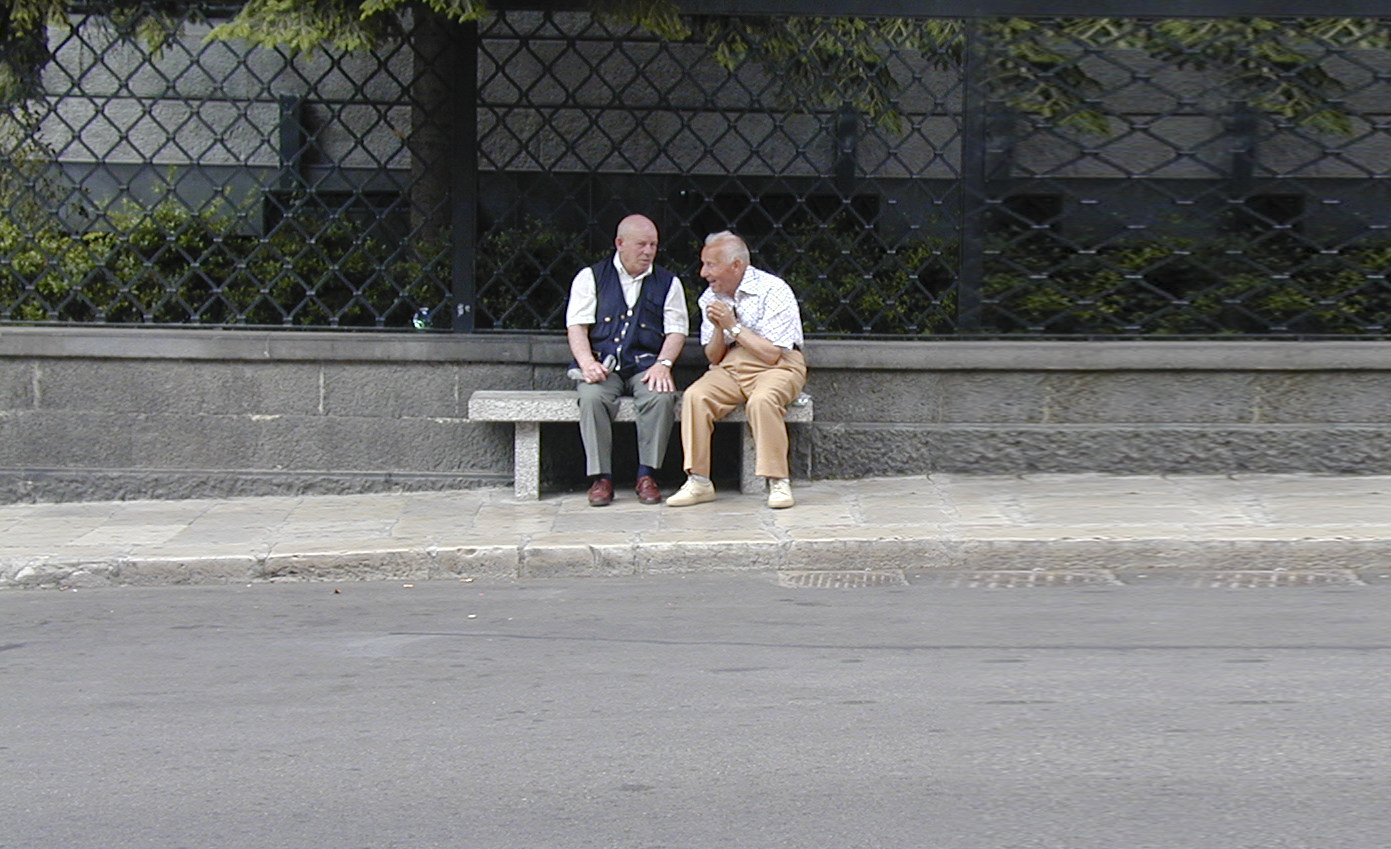
Diteggiare...pallido ed assorto
Prestito poetico fra “colleghi” eh. Street, certo non è Manhattan ma ci può stare ché abbastanza europea (il quadretto) .
Lo scatto in cover de facto monocromatico è, pari luce diffusa di afa, proprio come adesso che si scrive al riparo di ombrate mura, poco ritraibile se andiamo dietro baggianate a mezzo stampa di certune muse, a pagamento. Eppure, sempre il quadretto, è un frammento di street, non certo paragonabile alla iconica cercatrice (come animali da cortile al becchime) di telline** del mal stampato e inchiostrato e carestuso libraccio.
Ora: come si chiama chi scatta per strada? ZZZ...zzz...zz..a parte passeggiatrice ad ore, pure ha nome sonante o contante vate vobis; metti, ecco, chessò questo e quello ? Una volta il reporter/reportage oggi street-photography senza strettarolo. Pare niente. No, assolutamente se manca il nome della “cosa” (nomina sunt conseguentia rerum?) manca pure il suo possesso secondo millenaria cultura occidentale a partire, guarda tu il caso, dalla Genesi il Libro mica baggianate bianconero del frammassone Salgado, che una volta era contabile! La faccenda, quindi, è decisamente strana, stamane siamo di manica larga in avverbi in + mente. Mentire mente eh avessi voglia a solfeggiare: Dooo, Ree, Miii...
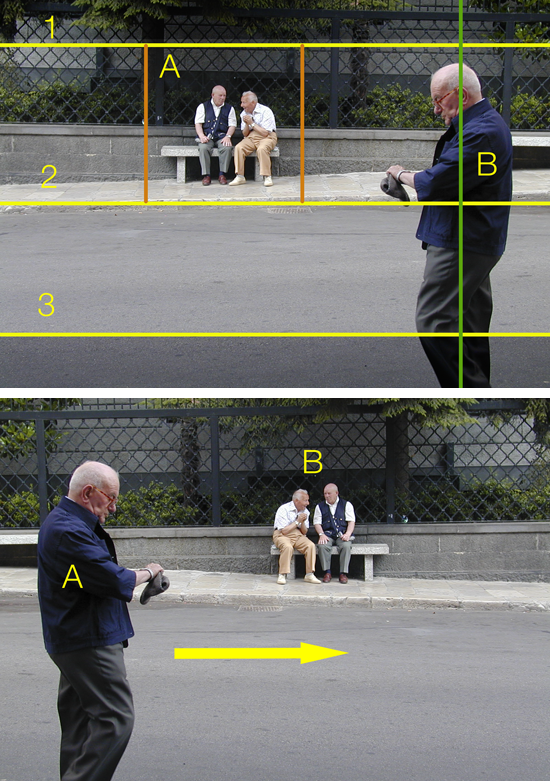
Il quesito o vexata quaestio resta insoluto e gravido di conseguenze. Punto e a capo.
Immagine, il quadretto e tre, qui è “suddiviso” con Pshop sebbene l'occhio l'ha già “inquadrato” così come arco riflesso di pisicologia (pissi pissi bau bau, eh) e non siamo alla salivazione di Pavlov, ma poco ci manca. Canone stilistico, ecco, da quell'Arte che robot-umanoidi odierni via zolfatar-latomistii, direttori occulto, insufflano fateci caso gli imbrattatori di tele o mura in Firenze, che tutti giovani sono. Gli stessi che divelte barriere correvano a suicidarsi con anti-Covid nelle vene! Quei che vengono messi sotto le ruote di senza patente e alcolizzati; che non devono vedere domani pro de-popopulation via Genesi e non solo. Infine quelli che si schiantano su le Torri ma lasciano i loro passaporti in bella vista: ciao mamma vedi come mi diverto! Esseri di zolfo che vorrebbero eradicare tutto e loro compresi alla fin fine (cupio dissolvi) tant'è la sifilide arrivata nei loro cervelli, fraciti. Viene da ridere sganasciando mascelle o rotolandosi per terra: il Cancel Culture, che a sto punto tassativamente si deve svelare in una prossima, dire cos'è, e di certo non bullshit di Stampa & Regime tipo Open Mentina da La7.
Sia come sia, allora, se rivoltate l'immagine in caso di specie: destra-sinistra cos'accade? Beh il “nonno” che era in B ora passa in...serie A, mentre quei due retrocessi sono. Immagine che, vecchietti a parte, sviluppandosi da sinistra a destra, dice l'Occidente vedere, positivo è: vero. Resta non di meno quel marciapiedi rivoltato che bello non è pende come i titoli spazzatura di Wall-Street and City of London. Si, vero con Pshop tutto...s'addrizza?
** fig. 2.30/1/2 pg. 33-34 di “Raccontare per immagini” con almeno i due scatti che sembra una posa (cercatrici) da quotidiano wc, Sara Munari via Apogeo/Feltrinelli
Link precedente
Ps. A proposito di “streetgate” riportiamo il link ancora baggianate (formato Leica à la page) lo spasimo triste solitario e finale del Nulla, di certo fottografare, refuso non è. Suvvia dietro il “pifferaio” Munari e come nella fiaba l'annegamento a fiume vi attende. Hic et nunc
A day in Manhattan
Manunzio fotografo sin dal 1969
date » 09-05-2023 18:45
permalink » url
tags » leica in africa, deutsches afrikakorps, guerra mondiale deserto africa, telemetro leicamera, bianconero leica, leica m 10 d senza lcd, fotografia digitale, allah akbar,

Click on to see
Allah Akbar
Dunque Leica o Deutsches Afrikakorps rediviva (Rommel la Volpe del deserto e suoi Panzer Division , comandava de facto anche le “scatolette” cingolate alias Ariete del Duce, chissà in quale dimensione si trova) ci prova a vedere non aspirapolvere ai Tuareg, no, ma formato Leica. A telemetro ché la classe n'est pas de l'eau! Infatti, l'arnese è in mano ad una ridente “principessa” con dita laccate rosso simil Leica. Scatta la nostra nel deserto, fiera e solitaria vs il Corano, e chissà se (Leica) come i camion della Deutsches Afrikakorps ha il filtro anti-sabbia, diversamente da quei scassi cabinati Fiat che non avevano benzina figurarsi il filtro-radiatore: memorabile e nei libri, invece di mandare benzina per i mezzi, mandarono per “errore” acqua normale nei fusti benzina e altro*: si veda la sequenza El Alamein Linea di fuoco. A noi lo zio sottotenente mandato in Africa ne riferiva.
 Sicché la nostra principessa fotografa (qualche piccolo dubbio ci viene dalla postura che fa della Leica fra sue deliziose dita di rosso tinte) e ride di sicuro, in bianconero. E rivede, tapina, l'immagine sul retro della Leica, che in un modello precedente, M-10-D aveva eradicato Lcd; noi ansiosi ad immaginare il giorno e l'ora precisa in cui i Teutonici avessero provveduto pure a togliere il sensore...
Besenisse is besenisse e per la principesse araba un bell'affare, in mano. Donne notorio, e come tirano su il mercato, che avete capito, da non credere. Alla cassa dopo la prestazione.
* "Tu non hai capito niente! Di a Mussolini... Che se vuole che arriviamo ad Alessandria deve mandare armi, munizioni, divise e uomini freschi a darci il cambio! E deve mandare l'aviazione... A bombardare gli inglesi! Non il lucido da scarpe!" Dal film El Alamein Linea del fuoco
date » 12-12-2022 19:34
permalink » url
tags » fotografia moderna, olympus esposimetro interno, leicameter, giocattoli fotografici, ansel adams, esposimetri seiko, esposimetro lunasix, esposimetro ad estinzione, maitani olympus, a fessa 'mman e criature napoli,
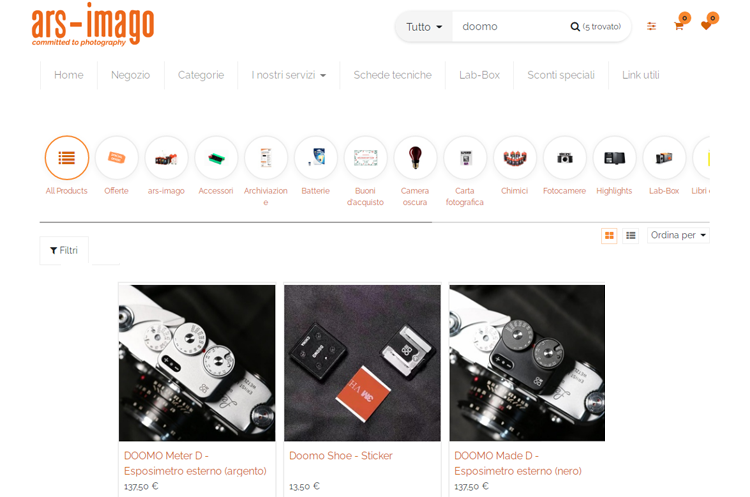
A fessa 'mmane e criature, e due
Mal traducibile in 'taliano e che, poi, non corrisponde al vero quel mettere la figa (!?) in mano, utilizzo, d'un adolescente-giovane tout court e... non la finiamo più. No, la resa in 'taliano suona “non si dà cose preziose-importanti-sacre” a gli incompetenti, mentre le Scritture e Mt 7,6.12-14. vogliono...non date le cose sante ai cani e non gettate le vostre perle davanti ai porci, perché non le calpestino con le loro zampe e poi si voltino per sbranarvi... Insomma a chi non ne apprezza in res l'essenza...
Sicché veniamo a cose serie di quelle che la giostra degli acquisti pretende manu militari (vedi solo da ultimo e alla lettera l'Ukraina) per sostenere più che il sogno il miraggio babilonese del putrefatto giudaico-cristiano-greco-romano detto “occidente”. Accidenti.
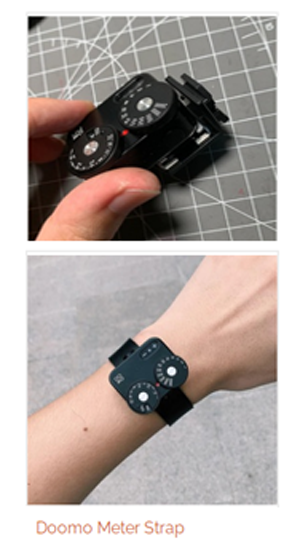
Sia come sia mancava solo il “cinturino” su cui sistemare (!?) l'esposimetro esterno che una volta, tanti secoli fa, si fa prima che dire anni, si inseriva su le slitte “hot shoe” alias vari Leicameter; sebbene ci fossero e già gli esposimetri esterni, prima ad “estinzione” ...consisteva in un piccolo cilindro sul cui fondo veniva applicata una lente gradualmente brunita con riportati i tempi di esposizione, guardando all'interno, girando l'apposita ghiera, si leggeva l'ultima cifra disponibile, e quindi estinta la scena, la si accoppiava alla sensibilità della pellicola a disposizione, e si otteneva pertanto, ruotando le ghiere apposite, il diaframma corrispondente*...
 usato anche da Ansel Adams. E poi vennero i Weston, Lunasix/Gossen, gli splendidi Seiko a selenio (!) poi motorizzati, ecco, sempre Seiko...e via enumerando. E non prima di ricordare, sempre Leica, la M6...l'esposimetro montato all'interno del corpo macchina in grado di misurare la luce riflessa da un disco bianco serigrafato su le tendine dell'otturatore...** Esposimetro si interno ma su “disegno” delle tendine, che se memoria regge era stato già inventato da Olympus con le sue mitiche M serie OM-2... che dispone di uno dei migliori sistemi di misurazione mai creati prima. Olympus è stata la prima a sviluppare un incredibile esposimetro interno che misurasse una lettura della luce direttamente dalla pellicola, garantendo una precisione dell’esposizione senza precedenti, anche in situazioni di ripresa speciali. Per ottenere un’esposizione corretta, la lettura della luce viene effettuata sollevando la prima tendina dietro la quale troviamo una tendina supplementare, dove è sovra impresso un modello generato dal computer, denominato computogramma, che riporta un disegno di blocchi bianchi alternati riproducenti le caratteristiche standard di una fotografia media...***
E quindi? A fessa 'mann' e criature ca pazzeano, stann' 'ncopp a 'ggiostr degli acquisti e chessa bast' e avanz'. Utili idioti a telecomando.
Sì, vero la giostra manda bagliori sinistri e rumori di ferraglia in implosione-esplosione, ma niente panico ché “La situazione è grave ma non seria” dal beffardo Ennio Flaiano sino ad oggi. Allah Akbar, no? Mah!
NB Con il ditino, paisà, copia i link se ti pare e vai che Manunzio non è “reo” se gli stessi sono stati cambiati cancellati...a buon intenditor...pauca verba
Olympus/Ing. Maitani
https://www.juzaphoto.com/me.php?p=72018&l=it
* http://www.wetzlar-historica-italia.it/esposimetri1.html#:~:text=L'esposimetro%20ad%20estinzione%20consisteva,si%20accoppiava%20alla%20sensibilit%C3%A0%20della
** p. 136 Alessandro Pasi Leica testimone di un secolo, Bolis Edizioni
*** https://crono.news/Y:2018/M:03/D:07/h:17/m:00/s:43/olympus-om2-analog-photo-files/
Ps. Per gli imbecilli e minchiapixellisti: se porto l'esposimetro come orologio e s'immagina a sinistra con la fotocamera (quale?) all'occhio destro e quindi distante l'un l'altro che esposizione risultante sarà: quella del c...?
date » 16-09-2020 09:59
permalink » url
tags » stampa & regime pandemia, stampa & regime fiamme ancona, satana mom amour, immagine digitale, immagine catodica eterodiretta, tempi morenti correnti, allah akbar, fatti beirut, cia & mossad italia distruzione, bravo satanas, blog dezzani federico,
Covid-19 (storia nata “ ufficialmente” nel 2019 ma evolutasi nel bisesto 2020, non a caso) o meno è innegabile la frenesia diabolica del venire alla luce: certo per chi abita nelle Tenebre, lato traslato e fate come ve pare, un azzardo non da poco. E non tanto per problemi di “adattamento” luminoso, no, quanto farsi vedere in carene ed ossa. Dite? Un Fauci cos'è? Un Bill & Melinda pure Oms e suo Chief Commander sino all'insulso Speranza Ministro della Salute: che dire? Burioni tronista di Che Tempo che fa è il Ricciardi...attore consumato della Oms che così non è, già scordato? Infatti l'accordo perfetto che non è riuscito come l'Undici Settembre da poco “festeggiato” con pari maestranze. Proprio così. E sono pochi che han capito il gioco e san riconoscerlo sic et simpliciter, e una volta tanto grazie Mammasantissima Chiesa, ci è servita a “rimuginare” le sorti magnifiche e progressive del Kapitone (serpente?) mettiamola così; altro che antivirus.
Tuttavia chiuso il cappello, tanto per capirsi per chi ha orecchi, l'Immagine che qui su Diary si parla da dieci anni, giorno più giorno meno sino al prossimo rinnovo contrattuale a breve, anche oggi in prima pagina e non come Stampa & Regime catodica manu militari irradia per l'aere maligno..
Dunque, esterno notte, piano lungo: ciak. Ancora su l'Adriatico mare il porto e le fiamme. Accidente? Neanche per l'anticamera del cervello, non foss'altro che la buon Is + Ra + El (staccato così è tutt'altra cosa senso e significazione per chi capisce) ha fatto stessa cosa giorni addietro nel porto di Beirut, Libano dove stoccavano pericolose sostanze tossiche che all'aria...controcampo Ancona e pensa te che combinazione “astrale” pure questa. E più che spandere, ancora, paura eterodiretta a telecomando esterno, i segnali qui sono molteplici seppur, s'è accennato, di pari regia e vale a dire: elezioni regionali, pandemia a salve, casse erario sfondate, soprattutto sfratto governo Conte Nonelettodanessuno tranne Vaticano Spa a base gesuitica, come Bergoglio ancora dato “astrale”. Via Conte il buon Draghi Mario a dare il colpo di grazia all'Itaglia (già anticipato sul Britannia cabina di regia di sua Maestà City of London e non solo, dove c'era il Mario, il Mortadella Prodi, D'Alema, il Topo sottile Amato e...) far venir giù tutto l'apparato europpioide. Siché è del tutto inutile riscrive così già dette. Infatti basta leggersi la psico-patogenesi di ottant'anni fa II World War, l'Itaglia ci arriva mesi dopo il 10 Giugno 1940 con il Duce a Piazza Venezia; e a risalire la Prima Guerra Mondiale, e per chi ne vuole c'è il sito del giovane Federico Dezzani, che ricostruisce i fatti pregressi e l'attualità che da essa deriva. Deriva non certo voce verbale, diciamo nautico che più s'avvicina, la fine!
Un vasto incendio è divampato nel porto di Ancona
https://www.ansa.it/marche/notizie/2020/09/16/vasto-incendio-nel-porto-di-ancona_b7d26519-9505-45eb-a14b-9fb00ad5b060.html
Ps. La grande furbata dell'Antagonista Satana è quella di spandere cortine solforate e nascondersi dietro di esse al tempo steso proclamando ai quattro angoli della Terra la sua “non esistenza” cui tracce sono già ravvisabili in quei pezzettini di carta con su strani numeri “pagabili al portatore” cane da guardia della Proprietà Privata, virus indistruttibile, sino ad oggi
date » 27-08-2020 16:59
permalink » url
tags » fotografi digitale, photoshop elements, gimp fotoritocco, olympus ep 2, ottica 12 54 olympus, quattro terzi standard olympus, micro quattro terzi olympus, ottica 12 50 olympus, circoli fotografici anni settanta, tutti fotografi progresso fotografico, allah akbar, linee millimetro fotografia analogica, pentaconsix, formato leica, oskar barnack leica,
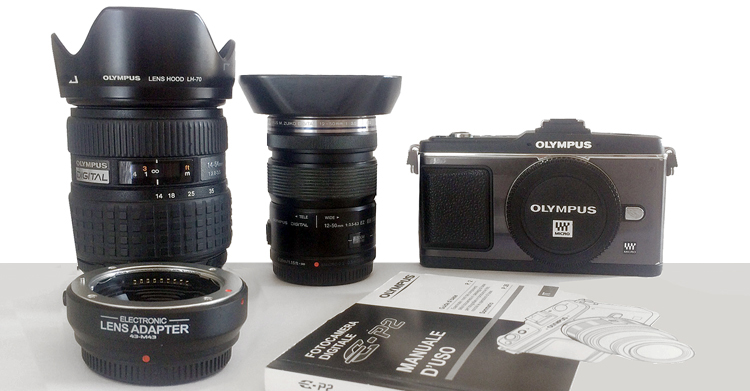
Corpo E-P2 rustico e tosto che non pare e, via adattare a sinistra mette in contatto, letterale, il vegliardo f 14/54 2.8-3.5 Quattro Terzi; specchiante a destra il 12-50 con vetro ED e aperture f 3.5-6.3 equivalente passo full frame 24-100 millimetri decisamente factotum en plein air considerato gli f, anche se a cavalletto i file poi sono ben incisi. E peculiare dell’obiettivo lo zoom manuale o motorizzato secondo necessità, oltre alla feature di avere due tasti sul barilotto: Macro e spingendo una delle ghiere (zoom e fuoco manuale) per ritrovarsi un buon ingrandimento ( per l’abbisogna via adattatore il 35 millimetri di Olympus, che pisola da qualche parte, s'arriva al rapporto 1:1). Lente che ha componente ED già a suo tempo montato sulla C 5060 WZ e ancor prima E-20. Il seondo tasto L-Fn blocca l’autofocus
Linee per millimetro
Su Tutti Fotografi, uscita la prima volta nel Novembre 1969, a fondo pagine c’erano schede tecniche (da staccare e conservare) dedicate a pellicole e naturalmente MTF delle ottiche: un modo come altro per starnazzare a bar sport, o circoli fotografici, a dir vero poco frequentati a nostra latitudine: uno addirittura in specie di suttan’ (luogo al di sotto del calpestio) sottostante chiesa, cenacolo e fratellanza si ritrovava a parlare di fotografia: circolo fotografico per adepti del click e linee per millimetro. Certo all’epoca cosa importante per il formato Leica tirar fuori fino all’ultimo dettaglio da fotogrammi modulati secondo Oscar Barnack, su quello cinematografico in rapporto 3:2. E corollario, parliamo di bianconero trattato da sé (!) di acutanza di film-sviluppi etc. Mondo alchemico che Pshop oggi (usiamo Elements quante volte da scrivere, poi ogni tanto Lightroom per essere “in”) se la ride. A dirla tutta: se si voleva veleggiare oltre l'immaginabile allora bisognava usare Rollei e quadrotto formato seipersei, ma chi aveva i dané per simil cosa? Si il solito figlio di papà, come no. Vero le tedesche Pentacon Six ma è altra cosa, non foss’altro che un 50 luminoso su formato Leica ci si arrivava, impossibile 80 equivalente. E quindi cavalletto e le discussioni finivano intorno mezzanotte: tempi di contestazione e vi era urgenza di cambiare, nientemeno, il Mondo. E oggi di quei lontani fotografi alcuni portano il cagnolino a fare pipì ai giardinetti, e se li fermi manco ti riconoscono più (fan finta).
Era digitale va, Pshop o come vi pare tipo Gimp dalla beffarda mascotte Wilber (se ci date un occhiata tal e tanti tools da rabbrividire Pshop il fratellone grande si capisce) che a volte vi fermate a dire: com’è possibile che un "fail" tiri fuori sta roba? Possibile possibile data la natura infinita dei numeri...si vabbè si fa notte.
Numeri delle mirabilia e per noi del formato Quattro Terzi & Micro. A farla breve. A fondo pagina i file: Old/14-54 e New 12-50 in formato Micro, mentre il primo è Quattro Terzi d’originale Sistema Olympus. La differenza di "cesello" si nota ad ingrandimento questo significare che, seppure via adattatore il Quattro Terzi che equipaggiava di serie la E1 prima Ammiraglia, non sfigura con il piccolo 12-50. Proporzione che richiama i "piccoli" vetri di Leica. E ci si ferma qui
OLD
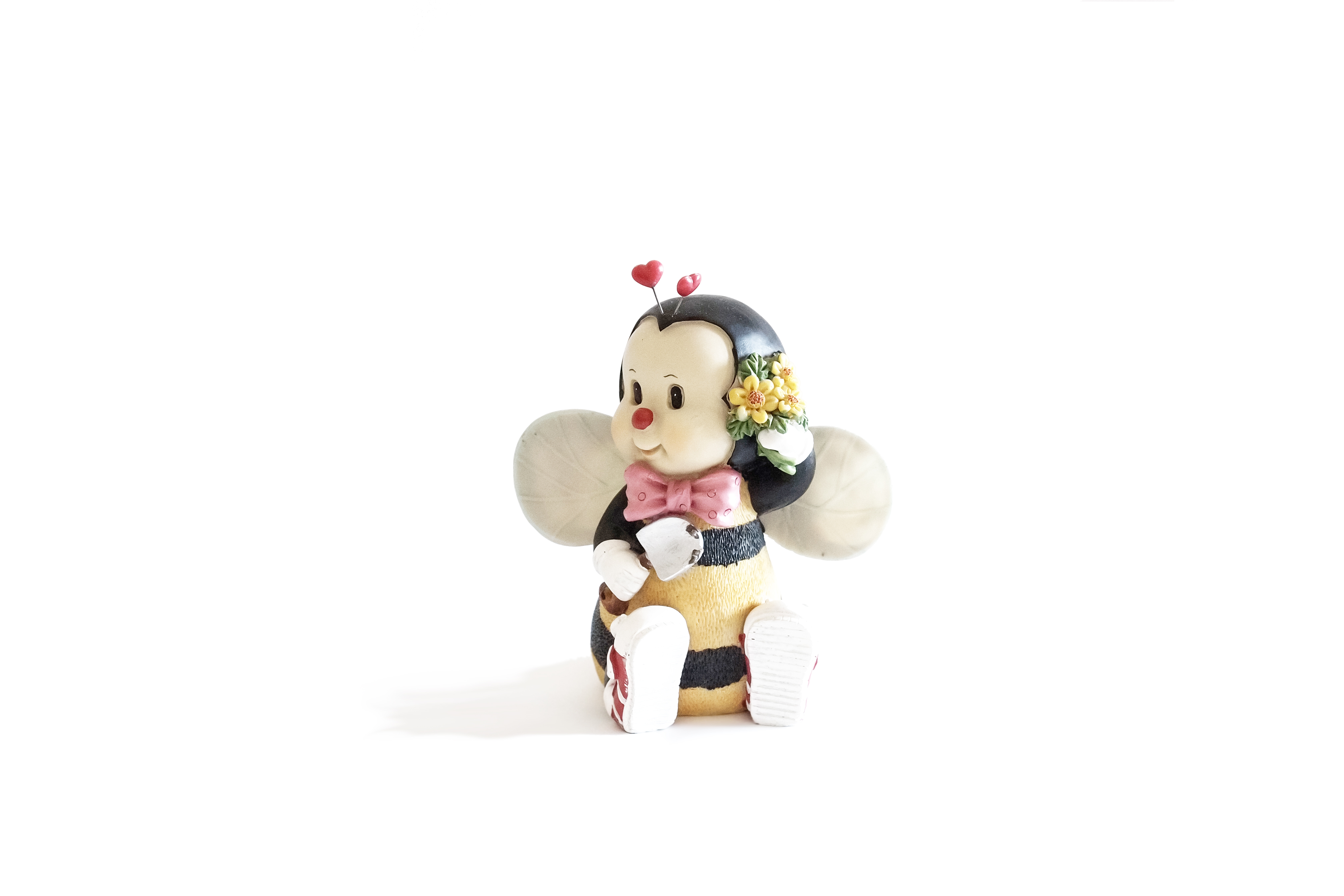
NEW
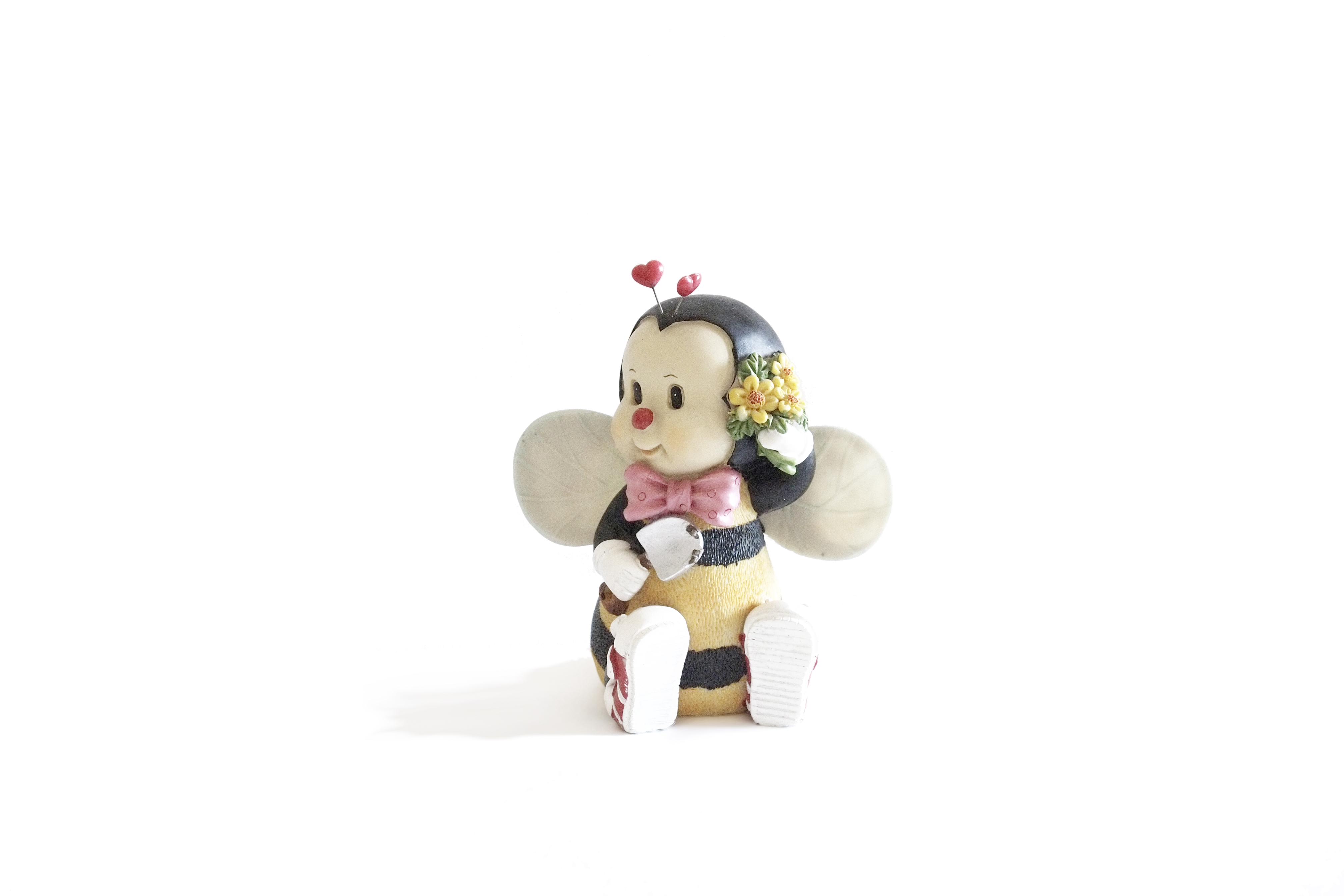
Ps. Luce pomeriggio inoltrato senza tenda filtrante come al solito, gli Exif per i santommaso sono salvati con i “fail”
date » 25-08-2020 16:55
permalink » url
tags » nudo e crudo alla meta, allah akbar, visone oculare fotografia, diaframma e iride umano, federico fellini fare un film, meccanica visiva, lucciole per lanterne, pere per pomi, mente e visone, alberto angela cappella sangro napoli, photoshop elemts,

Nudi & Crudi alla meta
Le immagini che “non vengono bene” è per lo scarto quantico occhio-mente. Problema enorme a dirsi , complice libri scolastici che meccanicisticamente sovrappongono visone e fantasia mettiamola cosi per adesso.
Sino al XVIII Secolo la visone umana (stavo per scrivere umanoide e non sbaglio) era altra cosa dall’odierno, non parlo della fatale Fotografia, no. Ante citata epoca e così a ritroso l’umana visone era più ricca fantasiosa e artisitica, capirete che per il Dominio indicibile e altamente fuorviante al controllo Unico.
 Infatti meccanica, squisitamente positivista e darwiniana, fa dell’occhio “una macchina fotografica” misurabile tot al kilo. Siché dagli oggi e dagli domani generazione dopo generazione la “meccanica” umana prende piede: quella è e non si discute. Certo alla buona discount maniera tutto ok, poi appena aprite un libro (non e-book please) saltan fuori “si però” e “ ma e però” della Scienza in maiuscolo delle sorti magnifiche e progressive anch’essa del Kapitale; però, appunto qualche dubbietto buttato lì, certo in ambito iniziatico scientifico la cosa finisce a tarallucci e vino e tutti alla cassa.
 Visone oculare purtroppo per lor signori magistralmente sputtanata da un Tale** non distante dai “cenacoli” anzidetto:”L’occhio vede la realtà umanamente, con tutto il suo carico di emozioni, di idee, di preconcetti, di cultura”. Cultura scolastica e il cerchio si chiude. No eh? Il “buco” iride non è funzionalmente associabile al “diaframma” fotografico: toglietevelo dalla testa. Iride/diaframma assolvono funzioni diverse : il primo si apre e chiude in presenza o meno di banale luce diurna o artificiale che sia (ok anche un bacio fa di sti scherzi). Il secondo “buco” ha podestà sui fuochi-profondità di campo. Amen? Ma manco per niente.
E se i “fuochi” per cortesia non coglioniamo con lunghezze d’ottica, che pure c'entra e però non la finiamo più!, lo fan i diaframmi meccanici delle camere, i fuochi della visione umanoide li mette in essere, ecco, il buon Cristallino oculare, flettendosi o al contraio per mettere “tutto a fuoco”.
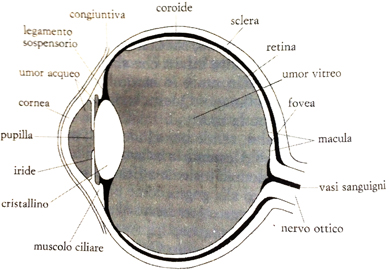 Si comprenderà che la “meccanica” è funzionale all’invenzione coerente di qualsiasi Coronavirus sotteso.
 Ultima. Napoli Cappella del Sangro, Frammassone. Macchine anatomiche (leziosamente spiegate da Alberto Angela Rai1, il Verbo) macchina eh, corpo umano dissolto resta il suo apparato circolatorio, vene: da capo a piedi. E fermi che basta e avanza, hic et nunc, semplice razionalità aristotelica a proseguire.
Al fine come Cirano, tocco. Le mele sono reali (immagine sovrastante) diciamo così, nella fruttiera in ombra a latere sul tavolo in cucina, mentre la capa vagheggia (sempre specialità Manunzio) sorseggiando ‘o café. Davanti la finestra una tenue luce mattutina, non vi arriva mai luce del sole, sfiora la soglia marmorea mentre un canovaccio bianco è da fondale: inquadratura prima di farsi è, tuttavia, nella MENTE (mondo delle idee e scomodiamo Platone?) cosa mooolto diversa dalla visione meccanicista oculare di “stimoli elettrici a base bit robotica”: siamo macchine, dicono.
Tuttavia è solo grazie all’ausilio del Pshop Elemts (Manunzio è poco ortodosso) che il “fantasma” si incarna e dalla mente alla sua “raffigurazione” mentre i fortunati Faust vanno alla cassa formato Gallery.
Si vabbè però “non è venuto bene” perché non l’ho ripreso (questo e quello) come i veri fotografi (chi?) . Ah tutto qua? E fatti un vaccino...oops comprate una nuova fotocamera. Consigli per gli acquisti...va!
** Fare un film pg. 95 Federico Fellini Einaudi
[font1]Ps. Perché il vocabolo italico Mente fa rima con Mentisco più che Mentire e purissimo Ossimoro?[/font2]
date » 12-08-2020 10:05
permalink » url
tags » crucchi germania, solms leica, leica serie otto, leica faillure 8, leica modernità, sic transit gloria mundi, tester insaputa time is money, modernità telecomando, capitale senza regole, fotografia digitale, allah akbar, leica cacao meravigliao, nikon 600 olio come grasso cola,
Click on
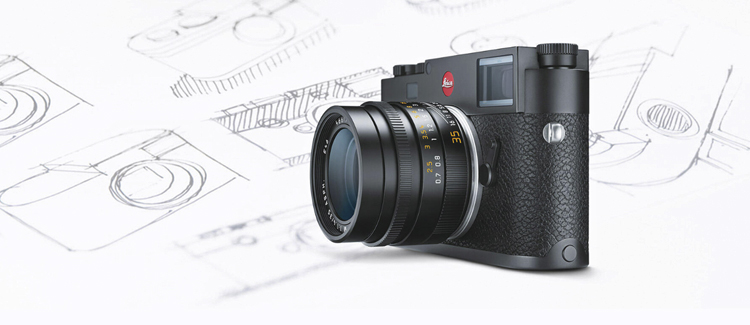
Leica...Cacao Meravigliao do gusto esagerao
Samba. Leica dunque, perfetto brand per fotografare l'innominabile ben oltre il “Viale del tramonto” di Erich von Stroheim: vabbè nato qualche kilometro più a sud del natio borgo Solms, umbilicus mundi della saga Leica, o della “modernità” fotografica. E qui ritorna le dolenti a farsi si sentire ancora una, dopo infame storia della serie 8 e qualcosa: qualcuno ricorda pari cazzate della Nikon 600? Oramai si salta tutto e l'ignaro acquirente fa da tester, si tratti di Leica/Nikon o banale “vaccino”: time is money e tutto si tiene. Insomma c'è di che ridere, o piangere fate vobis. A menarla diversa + mente una volta i “vecchi” eran miniere per i “giovani”. Sic transit gloria mundi
Leica Has Stopped Making the M9’s CCD Sensor, Future Repairs Impossible. Leica ha ufficialmente interrotto la produzione del sensore di immagine CCD
https://petapixel.com/2020/08/10/leica-has-stopped-making-the-m9s-ccd-sensor-future-repairs-impossible/
L’impressione complessiva è che Leica abbia licenziato una versione “beta” della sua telemetro digitale e che l’abbia data alla clientela da testare in un work in progress incerto e contraddittorio. La M8-2 pare aver colmato alcune di queste lacune, con alcune migliorie che, a pagamento, possono essere apportate anche alla prima versione (solo 1200 euro per la sostituzione dell’otturatore, 1000 per le cornicette luminose, e via così…)
https://www.nadir.it/ob-fot/LEICA_M8/leicaM8.htm
As far as image quality was concerned, there was one major gotcha though, which inexplicably made it past Leica's experten: infra-red sensitivity. Too much of it, to be specific. The M8 was very sensitive to IR light, which isn't major issue most of the time, but when it's a problem, it can be a real show-stopper. As reviewers found out, you'll mostly see it when shooting green foliage (which sometimes comes out looking too yellow) and black manmade fabrics (which often come out looking distinctly magenta).
Leica's solution - shipping two screw-in IR filters to all M8 owners for free - was really more of a goodwill gesture, and wasn't until the introduction of the M9, several years later, that the problem was actually solved.
https://www.dpreview.com/articles/6816924326/hot-mess-remembering-the-leica-m8
Samba. Nikon olio cola come grasso proverbiale
https://www.nikonclub.it/forum/lofiversion/index.php/t322130.html
Last update imperdonabile
Boschi della Turingia , intorno a Wetlzar, Germania inizio Novecento, paesaggio con ciminiera dell'unica fabbrica presente, la Optische Werke Ernst Leitz, mentre Oskar Barnack è intento a riprendere il panorama di tutte e otto le lastre della sua ingombrante macchina. E pensa d' immaginarla la (sua) fotocamera piccola, molto piccola tascabile e con possibilità di caricare la fotocamera con pellicola cinematografica 36 millimetri per ottenere “grandi foto”.
Oskar Barnack il giorno dopo chiede colloquio al suo capo, poiché lavora già presso la Ernst Leitz, nota in tutto il mondo per microscopi e cannocchiale: “Vada avanti e me la faccia toccare”.
Leica testimone di un Secolo, Leica/Bolis edizioni con Prefazione Gianni Berengo Gardin
Nasce così Lei(tz) Ca(mera) e il mondo non sarà più lo stesso. Weitzlar prima e in seguito il trasferito a Solms indicato come "patria": sì è messo il carro davanti i buoi!
