
date » 12-04-2024 10:34
permalink » url
tags » duje viecch’ napoli, fotografia analogica, enel, belle arti negozio potenza on the road, sra munari e complici, tempus fugit, nati non foste, cibachrome ilford, nikon f 3, pentax me super, contax rts, contax 139 quartz, carta canson, brand ilford, carta epson, carta canon, brand carta awagami, carta cotone amatruda, pixma pro 200 canon dye inkjet, extrema thule,
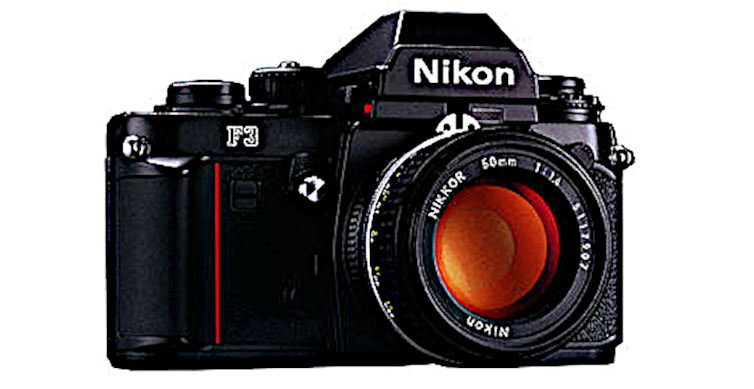
Duje viecchie prufessure 'e cuncertino
Nu juorno nun avevano che fá…
Certo quelli erano musici: direte il solito Manunzio? No, tutt’altro. E state a sentire. Pur non avendo la tamobla (qui in dialetto d’un tempo automobile) ci siamo, comunque, fatti lasciare dal secondo figlio detto il più riuscito e per tirarlo su mi ha fatto spandecà (dannare non poco)…
Ingresso Belle Arti, poche centinaia di metri da dove si verga la presente: vergare, Mamma mia che poesia! E si vabbè qualcosa bisogna pur mettere della nuda cronaca di fatti a seguire.
Ingresso, campo intero, ecco, bottega-negozio: panoramica su gli astanti scaffali della nostra Extrema Thule (chiede senso ai grembiulini, se vi pare). Vabbene un fotografo in terra infedelis, poi mica tanto le cose che ci dividono dai “parenti” pittori: ‘mbratta (più o meno cioccolatai) tele o men che siano. Li abbiamo fregati, i nominati pittori, da tempo ed essi per fregare noi altri sono diventati, anche, iperrealisti più del re. Finiamo qua che ambedue le squadre, ecco, ha il dente amaro dell’altro, ma quanto a casi da quasi duecento anni lor signori e signore si capisce mai avrebbero immaginato sorpassati (a volte purtroppo) i duemila e passa “disegni” fa.
Ora entrare in Belle Arti è ritrovare un Mondo perduto secondo vulgata dell’Amerika (k as killers) style oramai al tramonto conclamato ché nulla è eterno e gli orientali reclamo il loro, a buon diritto: vedi Gaza.
Sia come sia matite, colori, e tubetti coloranti che non ci frega diversamente dal carboncino e fessaggine, oops fusaggine che quando mettete su la carta...Oddio la carta che ci porteremmo a casa l’intero negozio! Carta very nice che a tastà (toccare non divide nulla con il taste degli Yankee go home) v’accorgete delle vibrazioni che trasmette, altro che star dietro linee per millimetro, lenti zero virgola qualcosa da usare, dicono, all’Equatore allo Zenit di Mezzogiorno e s’incazzano pure per la vignettatura dello zero e qualcosa! Gente che non capisce un c...atadiottrico e manco tener in mano una fotocamera senza farsi male: sì, la solita Munari & Minchiapixellisti che dir si voglia.
Dunque carta da infilare nella “dilettantesca” Pixma 200 Pro di Canon che, dicono i prezzolati sul web, spara acqua colorata e non pigmenti di pigmei, ci torniamo su questo statene certi dopo quindici anni un sito...non mettiamo il c...arro davanti ai buoi, cornuti guarda caso!
Ora nelle Belle Arti oltre il patron di questi, arriva un omone sornione che mi guarda: penso il solito im...ianchino altro nome per dire pittore, almeno un tempo questo per quello. Pittore, eh. Ed è il patron a dire “Guarda là” mentre l’omone aspetta. “Tanì” di rimando “ma tu sii”? E ci abbracciamo. A lor signori che leggono pare na boutade come altra, eppure in quell’attimo due “viecch’ prufessor’” finiti nelle Belle Arti eh. Tanti e tanti anni fa a stampare il Cibachrome, e lui Tanino (Gaetano-Tanino) aveva una camera oscura tutta per sé. E la sua F3 di Nikon e...tempi in bianconero e pure colore da diapositiva su Ciba, che sul sito di Ilford è tornata più bella e gaia che pria...grazie prego alla Petrolini d’antan. Transeat.
E infine due fotografi, lui a dir vero elettricista dell’Enel (insieme a Scintill’ Renato Russo passato da tempo a miglior vita: sit tibi terra Levis, Renato) di una triade: Nikon-Me Super di Pentax e chi scrive con Contax) che “pittano” dipingono dice Tanino mentre gli rispondo che siamo lì per acquistare altra carta...che a casa sembra un cartifico, difficile da descrive se tutto è “vegetale” a monitor si capisce!
Ps. Scritto e riscritto: abbiamo uno scaffale di nobilissime inkjet papers: Canson soprattutto non meno che la germanica Hahnemühle e Awagami by Japan; Canon à la page, Epson pure, Ilford ma nun ci attizza molto per via di quel “diaframma” a nome solfato di bario tout court che limita grandemente la trasmissione di sensazioni-emozioni che solo e soltanto la Carta per Belle Arti riesce a trasmettere, tattilmente e per gli occhi e pure per il naso: emunctae naris. E non parlo della amalfitana Amatruda, un must meglio nu babbà di carta sfrangiata (deckle in quella barbara lingua a nome inglese). Nu piezz’ e ‘cuton’ difficle a dirsi se non provato in vivavoce, ecco. E che con l’acqua colorata sparata dalla Pro 200 Canon impossible eguagliare con dodici ventiquattro centoquattro taniche di colore pigmentate. Fine trasmissione: lato traslato o come vi pare!
Pss. Duje viecch' cui titolo originale è: Dduje Paravise un must della immortale musica classica napoletana e pure 'taliana
date » 08-03-2024 17:22
permalink » url
tags » ilford giornata donna, donna fotografa, fotografia paesaggio, scatto fotografico grande formato, pellicole ilford, agfapan 1000, formato 120, hasselblad, rolleiflex biottica, moka espresso italiano, sekonic esposimetro luce riflessa, châssis pellicola analogica,

E vabbene un’ancella della Dea Madre, fotografa, siamo buoni in questa giornata che sia ringraziato una qualche Potenza Numinosa volge al termine a nome otto marzo. Ahi, però. Il video è in sé divertente con due perle: prima mai e poi mai i rulli 120 vanno aperti al volo e poi introdotti nella Rollei del caso, Hasselblad pure etc. E questo perché: piglia e ti scappa di mano? Secondo non meno importante con il banco ottico l’ottica va sempre (senza se e senza ma) protetta anche con il volet dello châssis pellicola che fa ombra; estrema ratio il palmo della mano contro sole o sorgente luminosa che dir si voglia!
Beh certo la nostra fotografa sul campo, non prima che a casa, si porta sul set na Moka, proprio così però di quelle, molto rare, da dodici tazze! E ne beve, sarà la flemma British ma, insomma, con quella coppa di café da salire a mani nude su gli alberi che fotografa…
https://www.youtube-nocookie.com/embed/678q54Pl2CE
Ps. La nostra usa un Sekonic, mirando posa come un normale apparecchio fotografico, tanto analogico che digitale: luce riflessa, quindi. Ahi ahi ahi l’ortodossia vuole l’incidente luce. Ahi
Pss. A precedente collegato non sappiamo se la Ilford, benemerita bianconero del caso rullini 135, ha risolta il problema della carta protettiva che s'attacca/va all’emulsione 120. Noi all’epoca non a caso preferivamo l’ottima Agfapan 100, che aveva tra l’altro la linguetta di sigillo rullino finale, al sapore di menta!
date » 03-03-2024 17:11
permalink » url
tags » carte umide dark room, fotografia analogica, carte fotografiche analogiche, agl agenzia lampo potenza, stampa inkjet, ilford brand, canson carte inkjet, hahnemühle inkjet certificate, tuhumberwald, quid energetico, hc bresson fotografo, odifreddi inutile cinico matematico, paolo tarso inventore cristianesimo, traslietterazione canson arches, lanfranco colombo diaframma kodak milano, mia fair milano da bere, progresso fotografico manunzio,
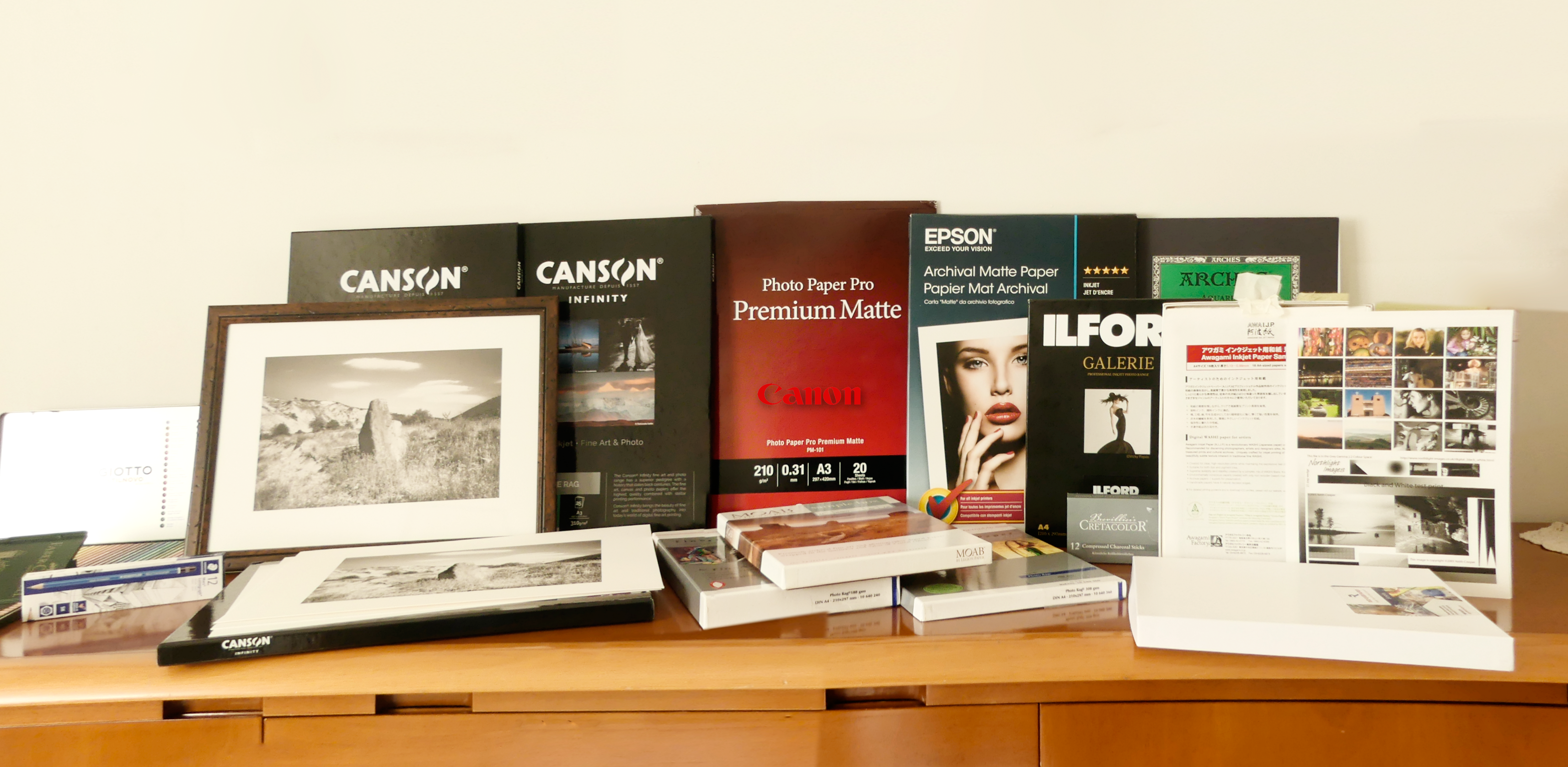
Click to enlarge
Repertorio stock delle carte Manunzio utilizzate da un decennio e più, tanti gli anni trascorsi a trafficare con stampa e stampanti inkjet, e le Awagami eccelsi supporti giappones (destra immagine con provino-test di stampa). E ogni superficie di brand un modo tutto specifico di scrivere, con gli inchiostri, marcare quanto mai appropriato, un territorio: la superficie. E gocce ink, mille sfumature che siano colori o più ancora bianconero, anche quando c’è da combattere con le carte “martellate” Arches (destra immagine, verde copertina) non trattate, sebbene poi quasi vi riescono paro paro le neo Canson-Arches (retrostante pack a sinistra immagine) brand veramente notevole. E non si dice, a prestito H.C. Bresson, che testa-cuore-occhio, qui supporto, stanno/dovrebbero su lo stesso asse per dire ciò che s’intende, trasmettere quel quid energetico al cosiddetto troppo di sovente acefalo prossimo?
Traslitterazione ancora una e...più
Qualsiasi pezzo di carta, diciamo per capirsi, suscita un certo entusiasmo nello scarabocchiarvi sopra (un tempo lontano) o mo’ come mo’ stamparvi via inkjet questa e quella immagine. Si, vero qui c’è un abisso fra chi scrive e il resto dei cosiddetti, pensa te, fottografi (raddoppio parce que noblesse oblige). Questi figuri morti dentro, clicchete clichete, riprendono il circondario semmai con l’ultimo modello Sony, squallido e cadaverico brand(y) in ogni accezione del termine, o del caso l’ultimo (fine finalmente?) modello di iPhone o Samsug equivalente. E i “fail” che ne resta? Un beato c...ippone di legno come le teste dei richiamati. Capirete che per chi viene dai gloriosi giorni della camera oscura analogica pendant inscindibile: sì, si ci sono e tutt’ora teorici a salve (anche un nostro amico 'nbriaco fracico da mattina a sera) che pontificano sul fatto che la stampa è altra cosa dal negativo, sempre analogico. Disputa del sesso degli angeli o dell’intellettualizzazione del aria, di quei tipi tristi, ecco, pure quando ridono se mai vi riescono. Ma non è il caso se non parlare di carte da stampa. E diciamo subito: una Vandea di tutto di più come il binomio Hahnemühle-Canson. E se tanto mi da tanto nel novero, tuttavia, c’è da mettere Ilford gloriosa come un dì la sua Galerie e l’altrettanto buona Ilfobrom in scatoloni da mille pezzi formato dieciquindici che stampavamo per i clienti dell’allora Foto-Lampo detta pure AGL (Agenzia Giornalistica Lampo citata altre volte). Diciamo, scriviamo quel che sappiamo in corpore vili, ecco, e non de relato casomai via Web delle mirabilia.
Sia come sia carte che restituiscono l’idea aerea (virtuale?) dei “fail”. Sentirne il peso, proprio così: anzi provatevi a scuotere, cosa che facciamo spesso, le carte che è un piacere vibrazionale. Vibrazione Odifreddi cinico zombie matematico, vibrazioni non già numeri che sa dove metterseli!
Vibrazioni tattile e perché no: olfattive. Sì. E last but not least un modo per intrappolare un momento e renderlo eterno, si vabbè, e trasmetterlo al posteriore: o era ai posteri?
Ps. Lungi dal fare l’artista da quattro soldi, di quei conversi più che su la strada di Damasco, eh Paolo di Tarso furbo di tre cotte, fine dicitore inventore del cosiddetto cristianesimo, nonché munifica e remunerata Arte con tanto di sigillo (666 biblico?) Digigraphie, l’incorniciata immagine di frame (cover in alto) acquistata da un Bricofer qualsiasi, dà l’esatta dimensione, non certo fisica, di cosa l'immagine sia, dovrebbe. La traslitterazione CansonArches messa sotto vetro, meglio plexiglas, suona decisamente forse troppo paesaggistica e poco rispondente a ciò che s’intende suscitare nello spectator: sì, quell'imbecille di Roland Barthes intelletualizzatore dell’aria calda fritta o come vi pare. Tant’è vero che una seconda stampa, s’intravvede, sottostante l’incorniciata, meglio s’avvicina all’idea ma che tuttavia sotto vetro non regge. Morale anche la cornice vuole la sua. E meno male che le fotografie, diversa + mente, da quadri ed affini non bisognano di cornici barocche; anzi, queste, più lo sono e più piace alla gente che piace così il jingle dell’allora 126 Fiat, tanto che per soggetto, pure un topo morto (dixit Ando Gilardi sul numero di Progresso Fotografico Luglio-Agosto 1990 pg.27, cazzeggiandomi a mezzo reply di un fatto realmente accaduto a Napoli, però, al critico Lanfranco Colombo in quel di Milano; gallerista della primigenia Canon Diaframma poi Kodak, privata galleria interamente dedicata alla fotografia, senza raddoppio, mica fottografia della Milano da bere formato Mia Fair d’ora in poi in liaison, e nuova Dea Madre direttrice, con Parma Fiera) si mostrerebbe nel suo splendore, di chiavica, o fogna lingua ‘taliana
date » 22-02-2024 09:15
permalink » url
tags » fujifilm bl sei per nove, agfapan negativo bianconero, fotocamera fujfilm era analogica, sofia loren spot prosciutto, cadaveri eccellenti fujifilm, dea madre a pagamento, hc bresson leica, amarcord elettorale, agenzia fotografica foto lampo potenza, rollei biottica,

L’immagine per essere trattata ci vorrebbe un trattato, ben altro che gioco di parole. Un losco figuro forse Android stile Blade runner, insignificante, fa da sfondo e tiene con discreta nonchalance, stile Leica sotteso mica tanto, la Fuji X 100 VI già in codice: X numerale latino per dieci, la scritta “rossa” di sapore sulfureo, sempre in latino sta per 6. E allora 10 x 100 x 6 kabalistico? Resta l’immagine centrale del robot umanoide che punta l’occhio, in questo caso il destro diciamo “reale” bensì chi osserva è il “sinistro” di nome e di fatto: occhio di Horus, sì, identico al triangoloso occhio-veggente su l’One-Dollar. Espressione mortuaria che di più non si può, stemperata dalla “donna” in bianco sporco virginale che più di mostrare la coscia di prammatica, con tanto di pilu, ne mostra la sola rotula. Forse per brodo di “coltura”
Noi della AGL (Agenzia Giornalistica Lampo) su la Main Street, qui da dove si scrive, oltre le immancabili Rollei biottiche, usavamo Fuji precisamente la BL 69, una tascabilissima seipernove. Tascabile come può esserlo un piccolo carrarmato!
Il fatto che fosse già una cartolina a contatto (caricata con negativo bianconero Agfapan) di notevole formato più per banco ottico (ed alcuni tramite adattatori sostituivano la classica seinove o singola negativa ma pure diecidodici formato) da farci i manifesti stradali veniva presa per la sua ratio non meno di poter montare (!) ottiche grandangolari. Naturalmente tutta sta bestia l’usava il “Baffo” in boss della Foto-Lampo (Agenzia, sì, ma anche e soprattutto di cerimonie).
Certo non era, la visione, discreta di un H. C. Bresson (sua inseparabile Leica) quanto un arma letale puntata contro, la Fuji BL.
 E sin qui il solito pistolotto dei tanti “t’arrcuord’” o amarcord che furoreggiano di sti tempi pre-elettorali, locali nazionali continentali galattici e verso l’Infinito ed oltre…? No certo, la storia potremmo, ecco, insegnarla (Manunzio è pur sempre, curriculum, an Elmentary Teacher!) solo che non ci sono scolari, o meglio i finti tonti là fuori, a telecomando ante Sanremmo, post Sanremo a tutte le ore giorno and night: quieta non movere et mota quitare, no? Ni.
Sia come sia, certi ricordi basta zacchete associ nome, foggia (minuscolo e non è pugliese) l’inquadratura e pose. Cadaveriche quanto basta, mortuarie da non dirsi, da Dea Madre coloured finta viva. Evviva! E non si capisce, infine, in cosa e soprattutto perché uno debba spendere quasi duemila-euro per portarsi a casa (obitorio?) un trofeo che tutto serve, oramai, tranne che fare (?!) immagini. Accatatevill’? No Sofì** grazie assai avimm’ già dato!
** accattatevill’, compratelo, così Sofia Loren che in uno spot pubblicizzava prosciutto: mo’ cotto o crudo che sia sempre su gli occhi (sì, certo anche altri distretti anatomici, casomai arrotolati e con un po’ di burro in punta...ci siamo intesi) finisce. E con belle fette su gli occhi del caso sai che vista: alla cassa, via!
(Copia & Incolla se vi pare)
https://fujifilm-x.com/en-us/products/cameras/x100vi?utm_campaign=EID_X100VI_launch&utm_medium=email&utm_source=adestra
Ps. Nell'inquadratura verticale della réclame nipponica Fuji la Dea Madre, abbronzata di prammatica e non si può dire altrimenti ché si finirebbe in tribunale e/o gogna mediatica Urbi et Orbi, la manina tiene la digicamera, in volteggio acrobatico, come qualsiasi imbecille il suo smartphone. E meno male che su la Rete ci sono tutorial circa il "dettaglio" da ottenere in più dallo scatto (acrobatico). Senza dire che con sistemi anti-gravitazionale in essere (vedi soggetto volante durante riprese Formula Uno in, pare ricordare, Germania) con un tocco di voce "Ehi Siri scattami, brevi manu, a mezz'aria sta foto mentre poi visto che ti trovi me lo porteresti, sì, l'affare gocciolante, a fare pipì...che sono occupato per altre cose più (sic) importanti?"
date » 10-02-2024 15:24
permalink » url
tags » immagine genocidio palestinesi, occidente giudaico cristiano, sepolcri imbiancati sacre scritture, vaticano spa gaza, nazifascista borrel esteri unione europea, genocidio gaza, bambini adrenocromo israele, occidente finito, beneviste memoria acqua,
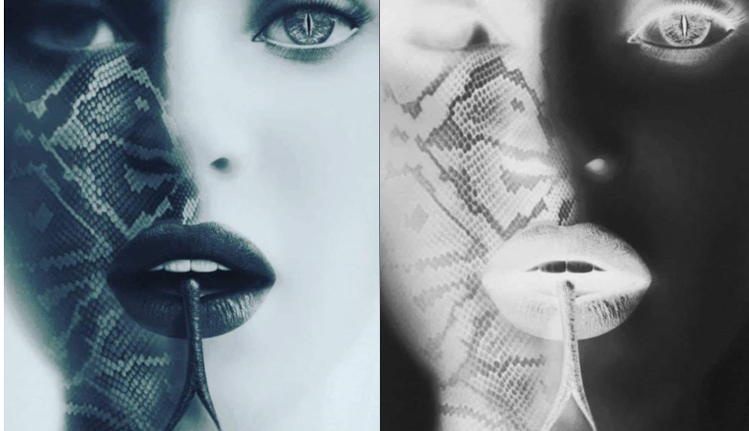
Meglio ricordarlo perché il Poeta ha messo la porta (botola?) dell’Inferno sotto Gerusalemme, non a caso per il primo del Triregno a nome “Divina” Commedia. Divina come Marsilio Ficino, Pico della Mirandola, lo stesso Leonardo sino, alla grossa si capisce (già chi?) “tenebroso” Caravaggio finito a fil di spada a Porto Empedocle da parte “Maltesi” per lo sgarro al Gran (venerabile) di Malta. Sì, certo pensar male è peccato ricorda Andreotti detto Belzebù che aggiungeva: ci si azzecca.
Naturalmente non puoi in questo lago di zolfo, si pasce beata a cosce aperte da par suo la bagnante Dea Madre, non è possibile, ancora, che restare muti eppur vigili dinanzi al Genocidio di Is-Ra-El scritto proprio così. E’ come un fuoco maligno che deve ardere, purtroppo fino alla fine che non mancherà! Omicidi rituale a dirla tutta. Adrenocromo prelevato dai bambini anche palestinesi non prima di essere stuprati massacrati venduti come parti di ricambio (organi) infine carne per cani: lato traslato o come vi pare.
Muti e vigili, lo dicono pure le Scritture dell’Apocalisse ben consapevoli che la ruota della Storia gira. Tanto che si muove che i satanici richiamati, sotto squisita protezione Usa, sanno e sbavano. Niente è eterno. E questo del Genocidio è uno degli spartiacque della Storia, e lo vediamo in diretta. L’altro, quello dei famosi (famigerati?) sei milioni di ebrei molto ma molto discutibile. Significa? Tutto un sangue pattuito venduto per lo stato oligarca genocidi di Is-Ra-El lo sanno pure i muri, coloro s’intende che han senso e misura della Storia, poiché il giudaico-cristiano impero d’occidente oramai è caduto; le porte aperte all'incursione del resto dell’Umanità nel “giardino” per ricordare il Nazifascista Borrel. Sia lodato una qualche Numinosa Potenza. Amen.
Qui di seguito una limpida riflessione. Immagine come al sempre e qui se ne scrive un giorno sì l’altro pure. Immagine. Simulacro ”Guai a voi, scribi e farisei ipocriti, che assomigliate a sepolcri imbiancati: all'esterno appaiono belli, ma dentro sono pieni di ossa di morti e di ogni marciume” Mt 23,27-32!
(Copia & Incolla se vi pare)
A “False Flag” Operation to Justify The Israel-U.S. Genocide against the People of Palestine
https://michelchossudovsky.substack.com/p/a-false-flag-operation-to-justify?utm_source=post-email-title&publication_id=1910355&post_id=141537720&utm_campaign=email-post-title&isFreemail=true&r=k2tmw&utm_medium=email
Ps. Il sangue degli israeliani, non ebrei che è altra cosa, è stato calcolato nella tabella di marcia dei sionisti, questi si ebrei ma di “altra” dimensione; sangue innocente come quei tre ragazzi a torso nudo con bandiera bianca abbattuti senza se e senza da connazionali in divisa (dietro ordine di buttar giù ogni cosa si muova, ieri oggi e di diman non v’è certezza!) Ostaggi non nelle mani di cape molto gloriose eterodirette, no. Ostaggi nelle mani lorde di sangue di Bibi Benjamin Netanyahu & sodali sionisti + stars and stripes. Merce che val bene una “messa” spianata Gaza e con grattacieli e resort, gas al largo costa...come prima più di prima? Il gioco è terminato e la bava alla bocca passa oh se passerà: le Profezie (in sorta di preview che si “vedono” nei Simpson) non è acqua, che ha memoria altro che Beneviste!
date » 09-02-2024 10:26
permalink » url
tags » guerra russia ukraina, russia gigante atomico, mckinder heterland, nati non foste, potenza dell’immaginazione, crociate cristiane, genocidio palestinesi gaza, mafia kazariana, intelligenza artificiale censura, tuker carlson intervista putin, ungheria orban vs sanzioni tucker carlson, finis terrae, davos boys, liberté égalité fraternité, chicago boys milton friedman arnold harberger,
"Parlo della nostra vecchia europa, che per duemila anni ha creduto di essere il cervello pensante del Mondo"
(Herman Hess l'Ultima estate di Klingsor)
Potenza dell’immagin/azione
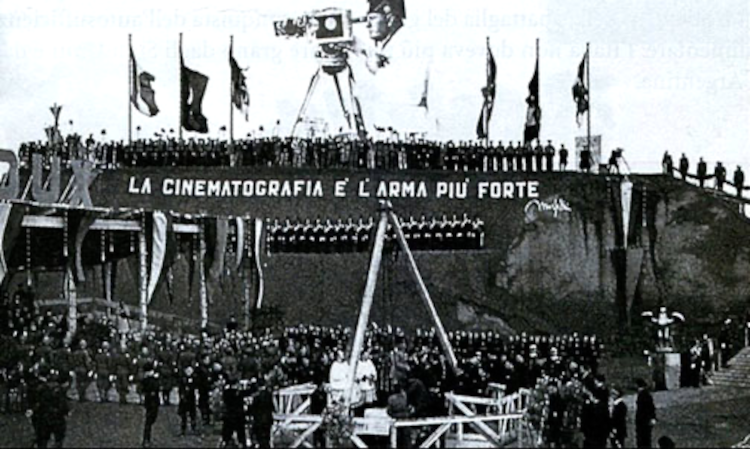
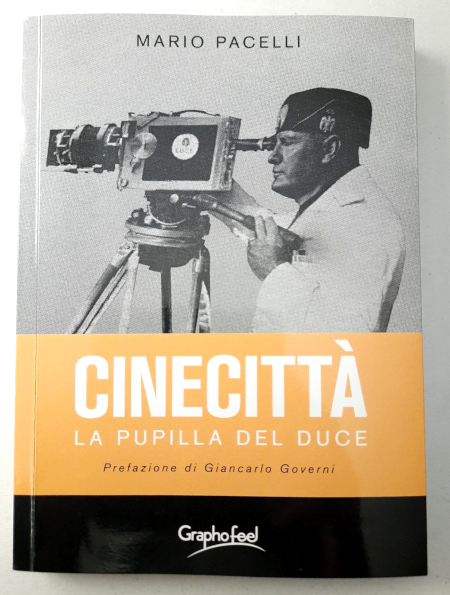
La cinematografia è l’arma più forte, così il faccione del Duce Benito Mussolini dietro una macchina da presa cinematografica Anni Trenta del regime fascista secolo scorso. Immagine e a star dietro i “teorici” della immaginifica immagine, come non essere d’accordo? Non di solo pane vive l’uomo, certo e di sti tempi carnevaleschi pure savcicch’ (salsiccia) prusciutt’ soppressata e via così a riempire la mai sazia panza di poveri affamati e analfabeti, tanto quanto alla convenienza del Potere: e ci si dibatte ancora su Liberté-Égalité-Fraternité? Vabbene non tutti i grembiulini riescono con il buco, va.
Immagine che qui, non altrimenti, ne scriviamo. Siamo fotografi, caspita, che han da modellare la “pietra” filosofale dal nigredo-albedo-rubedo finale, eh grembiulini Manunzio non è fesso.
 Sia come sia qui è successo un fatto inaudito: i babilonesi satanici succhiatori di adrenocromo (e altro semenza) stanno con la bava alla bocca, ché pensavano d’essere depositari “del vero” formato Talmud/Vetero testamentario e per noi di qua dal fosso Neotestamentari Quattro Evangelisti, effigiato nell’occhione triangolato dell’One-Dollar per chi capisce.
Senonché un certo ‘mericano fa armi e bagagli e va nella tana del lupo, meglio Orso bianco alias Russia. Apriti cielo che c’è un florilegio di astemm’ (bestemmia qui letterale) a cielo aperto mai visto nella storia uman(oide) almeno dalle fonti “storiche” e virgolette quando mai necessarie considerato che la “Storia” la scrive chi vince; fino al giorno in cui l'alfabetizzazione di massa fa la comparsa su la scena (o proscenio shakespeariano?) rilegge le “carte” e si fa na rista per le panzane; e dice la sua, più o meno liberamente ché sempre dietro c’è una congregazione di grembiulini…Quando mi stano su i c...tutti sti “fratelli” muratori. Tutti.
Sicché e per finire l’immagine una volta tanto (!?) fa piazza pulita di tante cazzate che più cazzate non si può. E allora capirete meglio del perché, hic et nunc, l’Ukraina e del Genocidio palestinese a cielo aperto, ormai non c’è Gutierrez che tenga l’inutile Onu che ne così e ne parli aperta + mente (Corte Giustizia a salve Internazionale, nel mazzo) Genocidio di Palestinesi e che una qualche Potenza Numinosa li accolga nella sua Bontà. Amen.
Finalino? Se si è giunti con l’Ai da ultimo a censurare pure l’aria, che frappoco si pagherà ai vari Davos boys (inventori da ultimo del Covid-19).
Se la canea dei “fact-checker” prezzolati alla Bill Clinton-Bill Gates-BigPharma (untori di virus) così tanto per fare un assaggino non dimentichi di Google-Apple (su cui tastiere si sta scrivendo questo post) etc etc etc. sbavano dappertutto: ebbene, sì, l’Occidente giudaico (Gaza docet) cristiano (Crociate docet) greco (ateo) e romano dalle mani insanguinate di contadinazzi buzzurri (i loro pargoli e la élite detta parlava ed aveva mentori greci e suoi Giuseppe Flavio-Paolo di Tarso...) violenti formato Legioni, è finito a gli ultimi sgocciolii di sifilide (che entrata nel cervello questi mostri del circondario produce; l’omeopatia distingue tre stadi esistenziali: psora-sicosi-sifilide; sifilitici sionisti kazariani sanguinari violenti). E la cosa non ci dispiace per niente, anzi, siamo parte, piccolina certo, di quanti al Moloch Occidente laido più che laico, porta la sua modesta picconata alla diga, che grazie a Dio, è sempre più fessurata per la fine. Amen. Ra si capisce per chi intende
(Copia in fretta & Incolla si sa mai)
https://twitter.com/TuckerCarlson/status/1755734526678925682?ref_src=twsrc%5Etfw%7Ctwcamp%5Etweetembed%7Ctwterm%5E1755734526678925682%7Ctwgr%5E91066d839235bf5a0eb0330099ecce8464fc4501%7Ctwcon%5Es1_&ref_url=https%3A%2F%2Fwww.breitbart.com%2Fclips%2F2024%2F02%2F08%2Ftucker-carlson-interviews-russian-president-vladimir-putin%2F
Ps. Durante la fase acuta e pernciosa delle “sanzioni” che han distrutto de facto Europa in primis et in secundis l’America way of life, qualcuno ricorderà la sanzioni pure contro il Patriarca Ortodosso Cirillo, mentre l’italo-argentino Bergoglio e sua Compagnia di Gesù, bella pezza, si fregava le mani con i Davos boy che il giorno prima eran detti Chi + caco boy from necrofilo Friedman ? Adesso i Nazifascisti burocrati asserragliati all’ultimo bunker di hitleriana memoria sputano veleno contro un ‘mericano che, furbo di tre cotte pro domo sua, intervista (scoop della Madonna non la cantante!) sì il “nemico” Putin, ma parla dell’acqua calda per chi è andato a squola (devo virgolettare per gli eterodiretti imbecilli?) e noi con loro, e si vede!
Pss. Quando si parla di regime-immagine bisogna metterci pure don Peppino Stalin e suoi villaggi “turistici” in Siberia però. E d'altronde per noi irriducibili sessantottini (duri e puri?) i cattivoni tutti finivano proprio lì, sottostante Circolo "popolare" artico, non a caso a fabbricare, ecco, cubetti di ghiaccio per la Classe Operaia: si è mai capito dove finivano i cubetti...per dissetare la Classe, che non è acqua. Ecco
date » 22-01-2024 09:25
permalink » url
tags » pornocrazia, uterocrazia, delirio onnipotenza, dea madre uber alles, caos pianificato, villaggi turistici donne, immagine donna, donna dominus lucifero, aberrazione psichica, complesso elettra, nati non foste, politicamente corretto, donne marciapiede, rivista moda donne, thumberwald, rivoluzione sessuale, ginocentrismo, no word, pensiero unico, stampa & regime ginocentrismo, davos ginocentrismo, klaus schwab ginocentrismo trinitario, agenda mondiale ginocentrismo adenocromo luciferino,
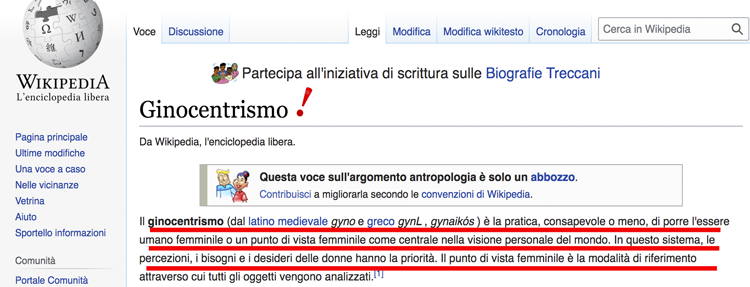
NO WORD
(cambiando l'ordine degli addendi il risultato di Potere non cambia poiché esso è asessuato...)
...unico stipendio solo non basta più se qualcuno non ti ha regalato una casa o se non hai una rendita di qualsiasi genere. Io ho due figli e devo lavorare: come tante mie colleghe faccio i salti mortali e corro dalla mattina alla sera, ma preferirei di gran lunga potermi occupare della mia famiglia serenamente piuttosto che dover sgomitare nella bolgia del mondo del lavoro non già per fare carriera ma soltanto per dimostrare che vale ancora la pena pagare una donna “oramai” quarantenne, NONOSTANTE sia una inutile madre di famiglia (anche assenteista nel caso dei tuoi figli siano malauguratamente cagionevoli di salute…) .
Purtroppo, temo che l’emancipazione della donna auspicata dal femminismo abbia seguito la direzione che nessuna di noi si augurava, ovvero quella del modello maschile: se vuoi essere vincente devi essere aggressiva, opportunista, insensibile, ambiziosa, calcolatrice, cinica come quel prototipo maschile che personalmente non ho mai stimato...
Sonia Maspero/ Repubblica/ D donna p. 54 del 12 Ottobre 2015
date » 24-12-2023 12:00
permalink » url
tags » natale d'altri tempi, aria natale, tanino barbiere portasalza potenza, main street via pretoria potenza, vita provincia anni cinquanta, calendarietto profumato tanino barbiere, donne succinte caldarietto natalizio, agnelli sestrières Piemonte, natale d'altri tempi,
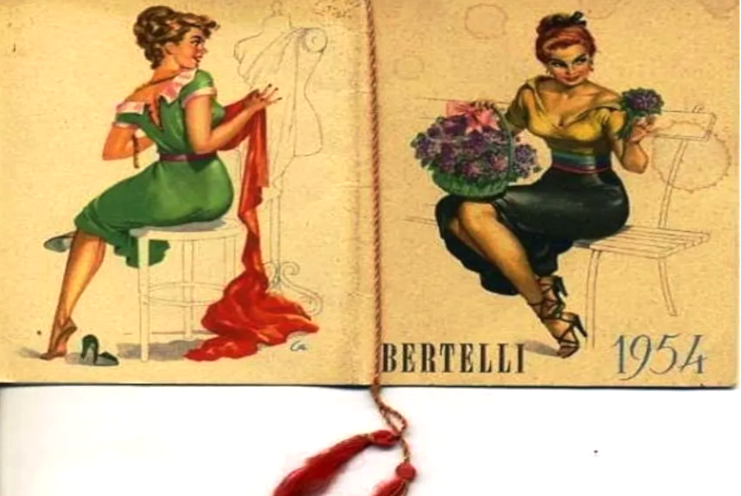
Natale d'altri tempi
Il salone, più che altro bugigattolo, lì in alto dei suoi tre gradini d’ingresso in pietra, marmo grigio stinto; l’attesa si consumava in chiacchiere e su li signorin’, che gravitano su la barberia, tutte forme, mentre e sotto Natale dalle mani di Tanino, sornione brizzolato viveur, barbiere distribuiva ai clienti il classico calendarietto tascabile profumato (ne sento ancora adesso) immagini di donnine succinte; fine anni Cinquanta del secolo trascorso. Tanino e altri barbieri (sulla Main Street Via Pretoria) incaricavano corrieri locali per acquistarli a Napoli, da noti grossisti che si rifornivano a loro volta a Milano. Era un regalo gradito il calendarietto: su le paginette, tenute ferme da un cordoncino colorato, i giorni del mese e dall’altra le succintamente vestite, come pure divi di Hollywood (per signore di certo rango dal loro coiffeur-parrucchiere di fiducia, sovente i parenti su la Pretoria dello zio, anch'egli barbiere poi finito in quel di Sestrières, località sciistica piemeontese degli Agnelli e gente à la page).
Tanino terminato il servizio con certa voce chiamava “spazzola” e presto il ragazzo di bottega (pure noi così dopo scuola estiva, e del fatto ne resta cicatrice sull’indice destro, prima e seconda falange, mentre incauti pulivamo il rasoio da barba) lì pronto a spazzolare collo orecchie e giacca del cliente, e “calendarietto profumato” in bustina di carta velina trasparente. Capitava, sotto Natale, l'usanza di pagare il servizio con banconota di grosso taglio (le famose cinquemila lire, euro di là da venire, simile a un foglio A5) era il sonoro “resto mancia”. Sicché solo allora Tanino replicare: te uagliò a “mancia!” e infilava la carta moneta nel tiretto (cassetto) a mo’ di cassa sul bancone
date » 14-12-2023 10:20
permalink » url
tags » dialetti lucani, suoni pugliesi, albergo regina italia potenza.provincia italiana anni cinquanta, fotogrammi, vallone santa lucia potenza, nati non foste, rimembranze di scuola, affabulatori commesso viaggiatore, fotografia analogica, racconti brevifotogrammi,
Affabulatori (commesso viaggiatore)
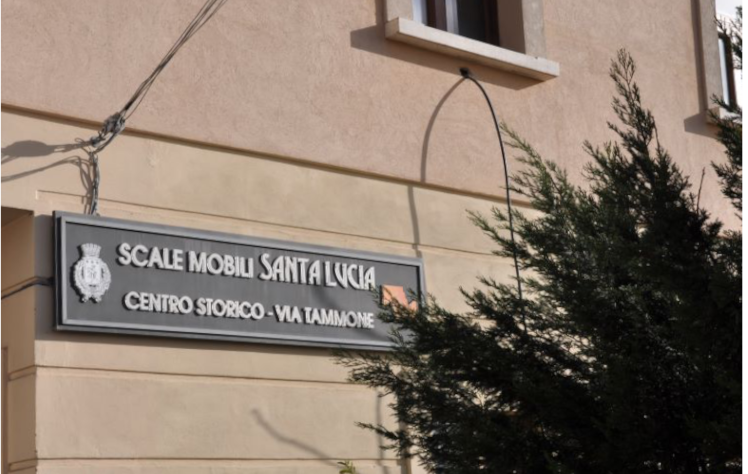
Albergo Regina d’Italia (oggi terminal della rete di scale mobili cittadine) locanda o meglio vetusta statio alla latina di posta dove siam venuti alla luce: questo è pur sempre un Diary di fotografia cui luce...E di questi tempi, prima di Natale tant’è nitido il ricordo, a sera il vento che fischia dagli assiti la finestra sovrastante Vallone Santa Lucia, la flippina (nevischio teso e gelido) accanto alla cucina (economica) domestica e focolare a latere, i grandi (adulti) più ancora commessi viaggiatori, le mani al tepore del fuoco si riscaldano e narrano, in lingue strane da capire e non si può chiederne in lingua italiana: non sta bene che i piccoli (chi scrive) ne chieda ai grandi. Si va per intuizione, a volte rifacendo il verso la mamma ci prova con vocabolo domestico a rendere quei strani suoni. Non sempre è così e allora l’arrovellarsi immaginativo (tutte le sue fotografie riverberano di questo) di Manunzio, che fa di necessità (sempre) traduzioni dal senso compiuto. Forse
(Copia & Incolla se vi pare)
https://www.miglionicoweb.it/proverb.htm
date » 28-11-2023 10:21
permalink » url
tags » nostalgia invenzione svizzera, kodak super otto, zatopec foto bucci potenza, fujifilm single otto, maratea celeste rago rai basilicata, canon super otto autozoom 518, nanni moretti, giù la testa, kodachrome super otto, ektachrome super otto, petri super otto, agfa super otto, chinon super otto, arriflex cinepresa, rigoni stern sergente neve, rigoni stern ritorno su don segheria,
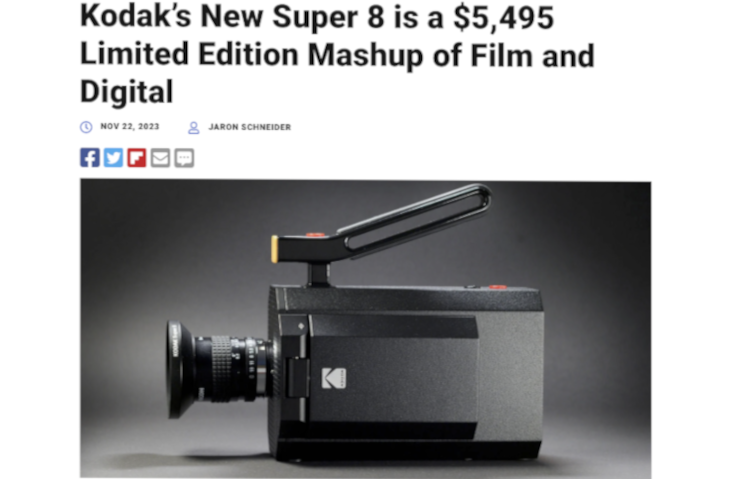
Benenisse (loro) su le ali della nostalgia (nostra)
invenzione lessicale svizzera
Kodak e Super8 (dall’altro Fujifilm aveva il Single 8 delle mirabilia e pressa-pellicola del quadruccio in metallo stile Arriflex) lo mette a morte (Kodak poi muore a sua volta, fallisce ed è storia odierna).
Finisce il Super 8 e suoi caricatori Kodachrome, arriveranno alla canna finale gli Ektachrome (anche 160 ASA e caricatori sessanta metri per le cineprese Chinon) e pure altri brand(y) ci proveranno pure Petri ed Agfa. Infatti: compagni si cambia, silicio è bello, sebbne, il motivo è sempre quello: tolto il besenisse analogico mica niente, il silicio che terra è per il controllo finale su la mandria umana; telecamere dappertutto, monitor e desktop etc. Da ultimo, tutt’altro che peregrina idea, ci pensa Leica e suo “copyright” su file seguita al corrente da Sony. No eh?
Un saltino indietro che la storia non è acqua o “fattarielli”. Anagrafe, carte di identità e tanto di foto del proprietario, via, professione….servì alle truppe nazifasciste di arrivare capillarmente a beccare i cosiddetti oppositori/eberei, per camera a gas che di lì a breve doveva portare alla soluzione “finale”. Ma solo di certuni ebrei, diciamo “basso basso” robetta. E se qualcuno ricorda (!?) il Rigoni Stern, mitico Sergente nella neve, in Ritorno sul Don della Einaudi, l’episodio della Segheria “fotografa” due ebrei marito & moglie salvati nottetempo da una nera limousine di Vaticano Spa. Siamo tutti uguali, no? No.
Torniamo a bomba e di sti tempi (!) ecco un altro contrordine: compagni accatevill’. Vabbene ma cosa? Oh il Super 8 risorto più bello e più gaio che pria. Pellicola lillipuziana e ci si lamenta dei sensori che lo tengono “piccolo”!
Il Seupr 8 era una forma tra il casalingo album familiare e l’impegnato (usato finanche da Nanni Moretti saccente e squallido figuro, ma tant’è) noi si è immortalato con i suoi caricatori (You Press the Button, We Do the Rest) da quindici metri standard girato per ritrarre, anche, la nostra città più di cinquant’anni fa. E girammo pure il nostro Giù la testa...coglione con l’amico di sempre ed altre “comparse” alle prese con (sua) vera pipì emulando il film, impazziva per sta scena, girato in una cava abbandonata molto scenografica dove oggi ci crescono le ginestre in estate. Pellicole andate “perdute”.
Super 8 del matrimonio Rai, si, Celeste Rago annunciatrice radiofonica trasmutata poi in giornalista nella scenografia Maratea di qualche decennio anno fa. E finanche i “lupi” non animali bensì la band de noartri qui in questa landa che riprendemmo non altrimenti da catodico tubo bianconero Rai con Canon Super 8 Auto Zoom 518, la stessa della Rago
Supe 8 che si portava a sviluppare da Zatopec/FotoBucci che a sua volta spediva ai lab Kodak, e ritirato 15 giorni dopo…
(Copia & Incolla se vi pare)
nostalgia...entra nel vocabolario europeo nel XVII secolo, per opera di uno studente di medicina alsaziano dell'Università di Basilea, Johannes Hofer
https://it.wikipedia.org/wiki/Nostalgia
https://www.kodak.com/en/motion/page/super-8-camera?CID=go&idhbx=super8camera
https://petapixel.com/2023/11/22/kodaks-new-super-8-is-a-5495-limited-edition-mashup-of-film-and-digital/
https://www.youtube.com/watch?app=desktop&v=cJzz7UwNr9A
https://it.wikipedia.org/wiki/Single_8
