
date » 03-05-2023 12:15
permalink » url
tags » pietre camminano death valley, pietre camminano potenza basilicata italia, fotografia paesaggio, daylight, fotografia digitale, tempo atmosferco foto digitale, trucchi fotografici, pomi manipolazione scienza, scienza eterodiretta fenomeni naturali, carna a tergo, tumberwald, camedia olympus wz 5060 point & shoot camera,

Il deserto di Mojave (destra immagine) dove si trova la profonda depressione degli Stati Uniti, 86 m sotto il livello del mare, è conosciuta come la Death Valley, Valle della Morte, a circa 150 km a Nord-Ovest di Las Vegas, è uno dei luoghi più inospitali di tutto il pianeta. A sinistra lo scatto di Manunzio a migliaia di kilometri dal sito
Mille e più miglia lontane
Assonanza malandrina. E quanto mi ha fatto piangere sti immagine da non credere.
Antefatto e per tutt'altro: caldo anzitempo e sospetto come l'odierno, ecco, ma “chine d'acqua a zeffun'” pioggia continua. Il luogo “esotico” di quando narriamo è sempre il circondario (carcere?) da dove si scrive: Manunzio ha un occhio universale meniamola così. Senonché tra i due scatti, a parte migliaia di chilometri di distanza, a dex il lago secco della Death Valley, a sinistra viceversa na tonza-laghetto prosciugato anch'esso, e che oramai non eiste più. Fine. E il pianto?...già. Il caldo che non vi dico, benché provvisto di cappello in paglia stile Banana Joe alla Bud Spencer...il sudore seppure dell'ora mattutina viene giù che hai voglia a detergere: straripa, invade le sopracciglia, infine si “getta” negli occhi. Bruciore e vista (?) annebbiata che a stento riesco a ritornare in macchina (all'epoca Manunzio aveva una Ford Fiesta sgangherata quanto basta, stile 'merikano di certi film) e provare un minimo di sollievo; anche se ci volle una settimana e passa fra lavaggi continui, colliri, qualche “rosario” frammisto a urticante ma “chi c...m' a fatt' fa?”
Link previous
Ps. Se fossi disonesto e prezzolato al punto giusto, vedi Stampa & Regime diuturna e codazzo di Muse, avrei potuto imbastire, stile d'antan pietre-blackdeker modigliani in Arno di Firenze, pari passeggiata misteriosa pietrosa (scatti più d'uno su Camedia Olympus C-5060). E tutto sarebbe avvenuto con il “concorso” dei prezzolasti “scienziati” (avrei mandato file in ogni redazione del Terraqueo) ancora, di un luogo che, dopo gli scatti, sede odierno condomini, è scomparso: insomma basta(va) la parola, suvvia. E come nel famoso Deserto, sue baggianate spiegazioni “scientifiche” stile Odifreddi numerologo a libro paga dei soliti “ignoti”, corre e tuttora un corso d'acqua...a spiegazione che lì e qui “uguale” fenomeno è: da scompisciarsi dal ridere
date » 22-02-2022 08:39
permalink » url
tags » inkjet printmaker, canon pixma printer pro 200, canson papers, frabiano papers, arches papers, rosaspina fabriano, magnani papers, vax on papers inkjet, varnish on papers inkjet, eyes of photogarapher, monitor and pixel, monitor rgb color, inkjet picolitre drops,
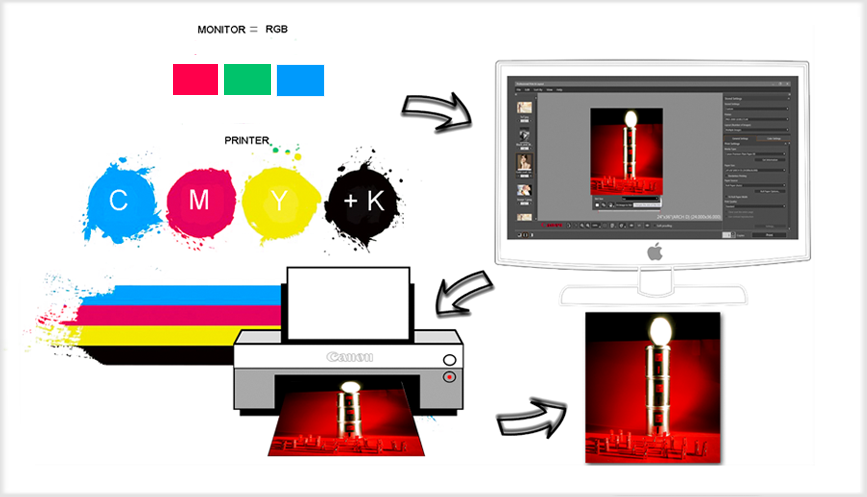
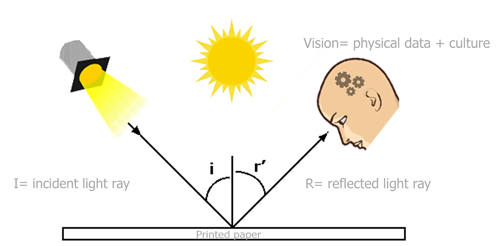
Before getting to final print, a note for remember that the monitor is de facto a ray Red Green Blue beam projector. Vice versa the print, as any printed sheet off-set or digital, is seen by reflection. And in printing, the paper support, base color and whether if glossy or satin (hot pressed) play a fundamental role. That is to say that reflection (human eye) therefore the sensation that is obtained it is indebted to support and ambient light (daylight or led illumination) that changes over the course of day. And here we come to fact connected to it, namely the luminous nature of the monitor made of pixels with their spatial coordinates etc. Vice versa the print is produced by tiny droplets of infintesimal ink (measurement picoliter is a trillionth, one millionth of a millionth, or 10 to the -12th power) ) which "mixes" upon contact with the support. A mess? No of course, but a different way to final target.
Stay tuned because from the next one we enter, as they say, in media res. Media? Opps a petit calembour, perhaps
See bellow link for more info
RGB, CMYK and printing
date » 18-06-2019 09:49
permalink » url
tags » trattamento bianconero, vaschette paterson, spirali nylon paterson, sviluppo e fissaggio, agfa rodinax tank,
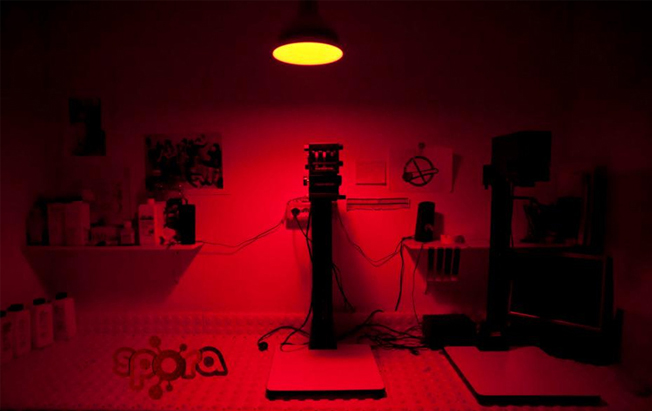
Acqua calda, sì, ma non troppo
Infatti solo per il primo bagno: ok non si parla di mare e annesso “lavaggio” acquatico. Qui ci si riferisce al trattamento fotografico del 135 (detto formato Leica per ovvi motivi diciamo di copyright) e 120 altresì detto dalla primigenia che l'inventò, ossia Rollei, poi a seguire Hasselblad Zenza Pentacon Mamya solo per citarne al volo.
Materiale analogico da trattarsi nelle mitiche tank Paterson e sue rocchetti impossibili in nylon. E per i fiorellini appena sbucati, quelli che vengono abbindolati dalla giostra per gli acquisti corrente bianconero ché il digitale non tira più, prestate orecchio. Infatti le prime spirali dove avvolgere in completa oscurità (!) le pellicole poi da trattare, erano senza “rampa” di innesco. Poco male per il 135: una tragedia per il 120, da scartocciare al buio e provarci non senza ripetuti astemma (imprecazioni o meglio blasfemia a questo e quel santo non meno che le terga di mamme terrestri e celesti!). Tant'è vero che la Paterson poi venne in soccorso con spirale alettate “giganti” dove far passare alla grande sempre il 135 e senza blasfemia accessoria il formato 120. Altri tempi.
Ora saltato a piè pari il consiglio per gli acquisti (se uno sta da mane a sera a smartphone e detti “social” e a mai visto de visu il Mondo in bianconero, l'unica cosa che capisce è il trandy la corrente moda bianconero by Usa e getta per l'appunto) il processo di sviluppo dell'argenteo rullino 135/120 è una relativa passeggiata: leggasi il Negativo di Ansel Adams o vecchi tromboni alla Feininger “Libro della Fotografia” dove pur ci siamo formati su quando era l'unico modo ante Internet natu, libro in traduzione italiana e che non cambia codifica binaria tipico dei vari OS ma che si può leggere e senza alcuna presa di corrente (!) da qui all'eternità. Potenza della carta stampata!
E dunque trattamento chimico/alchemico che prevede uno sviluppo bagno intermedio di sola acqua, o secondo certuni canoni addizionato con Acido Acetico Glaciale: na puzza indicibile! Infine il fissaggio, che diversamente da altri canoni, non è come per il trattamento carta carta fatto di un pre-fix o chiarificatore, e fissaggio finle: na rottura di...
E invece cosa accade per il revival dei cretini in bianconero che fa tanto moda? Alla vaschetta perfetta di Paterson, cui inserire più spirali/film contemporaneamente, di base due 135 alla volta, han tirato fuori uno scatolotto en plein air. Vabbene ma il costo è di 150 euro, poco più poco meno. E con quella cifra comprate una multi tank Paterson, cilindri in plastica graduata per chimici e...vi divertite anche! Gioco come altro così vi vogliono la giostra degli acquisti.
Ah già sti furbacchioni di “invetor” scoprono l'acqua calda, si, perché una soluzione originaria era la vaschetta Agfa Rodinax Daylight: niente di nuovo sotto il “sole” massonico si capisce!
Man fotografo sin dal 1969
Ps. Libidine voleva all'epoca di trasmissioni via telefax degli avvenimenti di cronaca, già anatra zoppa la fotografia rispetto al tubo catodico, tout court quando i reporter in zone di accadimenti rientrati in albergo, nelle toilette attrezzate per l'abbisogna si apprestavano allo sviluppo del bianconero da teletrasmettere: i più very fine con trasmittenti portatili plugin e presa doppino telefonico mentre il resto della ciurma si recava presso trasmettitori pubblici e/o di sedi distaccate dei giornali per cui lavoravano. E c'erano tecniche, rintracciabile su vecchi numeri di Progresso fotografico e Tutti fotografi così a memoria, con doppia libidine e fiocco per trattamento del rullino 135 già nel suo caricatore (!) in bicchiere (!!). In seguito e con tank ordinaria il prezioso e azzeccatissimo Mono-bagno, vale a dire sviluppo e fissaggio contemporaneamente: terminata l'azione chimica del primo interveniva il secondo. E la Ornano chimica italiana in Milano (dalla stazione centrale si vedeva il cartellone pubblicitario) offriva il suo Monofino ST 47...quarantasette? Ah bella questa, si, perché nella Smorfia è...il Morto che parla!
Pss. Si è detto che il trattamento del bianconero è in tutto e per tutto assimilabile a rito alchemico, da perdersi solo all'inizio per le innumerevoli variabile, Ansel Adams docet, e diluizioni e marche e scuotimenti di tank e l'ibibente finale il bagnetto della pellicola per essiccazione perfetta e senza macchia di calcare: temerario e temibilissimo per il piccolo 135, inutile e fuorviante per il gigante 120 alla Tazio Secchiaroli e dei Paparazzi di tanti estati fa!
Fiat lux
date » 20-04-2018 08:34
permalink » url
tags » luce fotografia, scritture di luce, linguaggio fotografico, storia fotografia, codice fotografia, luce solare e artificiale,
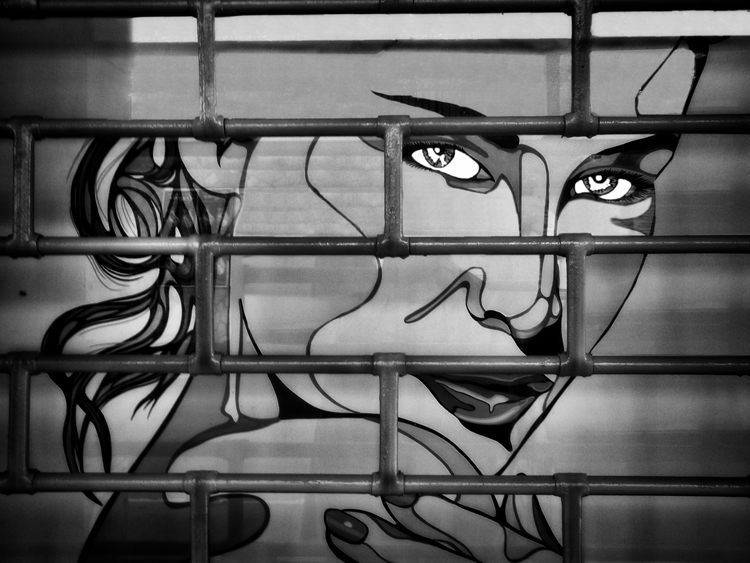
Photo © Michele Annunziata
Scrivere con la luce sembra una banalità al tempo di smartphone et simila. Eppure è proprio così: scrivere la propria visione su l’attuale silicio o per nostalgici l’argenteo film che sarebbe la stessa cosa ma facciamo finta di sì.
Luce quale materia da “plasmare” se si è all’interno di uno studio o equivalente. Viceversa da “interpretare” in daylight o pesta luce, ché al tutto pensa il Direttore della Fotografia, celeste e un po’ gelosetto dei suoi sortilegi solari.
Sia come sia la conoscenza del mezzo (luce) è molto più importante di qualsiasi trappola per topi: silicio o meno
Segni di luce
Man
Sessantotto e dintorni...figli di fiori (ma non troppo)
date » 01-03-2018 12:24
permalink » url
tags » filtri wratten, kodak porta filtri, pellicola daylight, pellicola tungsten, canon ftb, bagno sviluppo, anni settanta, totò e peppino banda torchio, iphone camera, android smartphone, gradi kelvin temperatura colore, camera oscura, sguardo tralice, filtro cokin, filtri lee, flash bowens, sessantotto figli fiore,

Siamo l’unico studio fotografico cittadino che ha, tramite giornalista, la vetrina sulla Main street che espone fatti di cronaca in tutte le sue variazioni tonali, e bianconero. E mentre si è in momento di pausa con, a latere, il Baffo patron del laboratorio chi scrive l’amico di infanzia Diego e Luciano, gran figlio di…che ha un aspetto serpiforme e viscido (di nome e di fatto) eccoti sopravvenire Gabriele, no l’Arcangelo, ma un fotografo Beat Generation che di cognome fa Agamamennone!
Insomma, e siamo in pieno inverno con neve, il figlio dei fiori che calza scarpe da ginnastica e tiene in spalla una Canon Ftb e portafiltri Kokak che la rende ancor più enorme, tiene in mano una bottiglia. E direte tutto qua? No è che è di Ace, si, la candeggina. Vuota certo ma come questuante chiede di riempirla di bagno.
Ora per quelli che manco sanno come si chiamano, spieghiamo che per bagno s’intende, e parliamo di bianconero, dello sviluppo usato per la stampe del cartoncino fotografico trattato in camera oscura.
E meno male che c’è Luciano che conosce Gabriele (che di nome fa sempre Agamennone, sì, come il greco dell’Iliade, ma qui a queste latitudini) mi chiede di riempirgli il bidoncino. E’ inutile dire che il Baffo si strofina pollice ed indice nella posa cash, ma con Luciano presente la cosa finisce lì; anzi “pagherà la prossima volta” una saetta uno sguardo in tralice alla volta del patron che, adesso, guarda altrove
Man
Ps. Il bagno di sviluppo che preparo, sono l’addetto alla chimica del laboratorio e nessuno fiata, è più simile ad un rimedio omeopatico, qui diluito alla miliardesima volta e da decenni sempre quello, se dò conto al Baffo. Invece tutte le mattina prima della seduta (resto in piedi per ore ed ore) di stampa cosiddetta penso a rigenerare abbondantemente il bagno di sviluppo. Questo il Baffo, vedessi la di lui moglie Rachele (come la moglie di Mussolini) sposata perché proprietaria, che fa aggio su la sua bruttezza di megera,insomma di quei quadretti alla Totò & Peppino nella Banda del torchio, che vorrebbe lo sviluppo eterno: alla cassa prego!
Pss. Il portafiltri Kodak in plastica di colore grigio chiaro, era l’equivalente odierno Cokin oppure Lee e compagnia cantando, solo che mentre quest’ultimi hanno filtri in vetro o di plastica dura, il Kodak che si serrava a qualsiasi obiettivo con viti esterne, sempre in plastica, usava gelatine o fogli sottilissimi a mo’ di filtro: tanto per il bianconero che per il colore, nel caso i famosi Wratten di correzione (blu/ambra) che capriolando su la temperatura colore (gradi Kelvin) se avevi in macchina colore daylight in macchina e dovevi fotografare con i faretti (i flash da studio Bowes verranno dopo che costavano già un capitale all’epoca) mica usavi, ed erano in produzione i film luce artificiale ma usati dai milanesi, le Tungsten, no. Ci azzeccavi il filtro ambra equivalente e te la cavavi. Oggi fa ridere la cosa, infatti su una qualsiasi digitale puoi scegliere il Preset adatto alla luce, o variare la “sensibilità”. E’ tutto dannatamente più semplice, quanto al fatto che se tutto questo impatta e come sul “fare” fotografia è danatissima Vexata quaestio, e qui non è il caso. Comunque fatevi un giro per Internet e da mettere mano nei capelli, anzi ci sono firme blasonate poi…non vi dico che, fatti vecchi, pensano di scimmiottare i giovani giocando con l’iPhone o Android che dir si voglia!
Non se ne può più
date » 06-12-2017 13:32
permalink » url
tags » maschio molesto a telecomando, corpo donne, reato donne, stalking televisivo, stacco regia donne, votazioni e donne, cia&mossad, strauss khan & lagarde, sesso molesto a regia, jolie &brad pitt, vedere l'effetto che fa, Abstract sex violence, victim women, backstage manipulation, brodcast television, news papers violence, subtle intellect, wash brain spectators,
Abstract
all nights and daylight the “news” speaking of violence, sex violence. Victim women, but backstage make manipulation the brodcast television and news papers, they say a same strategy of “subtle intellect” to wash brain of spectators
Una volta i giornali e il rosa shocking del Sole24 Ore, per le quotazioni in Borsa. Poi i computer, e sia. Ora se vi capita e distratti d’accendere un televisore, e su qualsiasi canale: zacchete. Lo stupro e di donne va da sé, che quello sui maschietti. Vabbene può essere un piacere...E però qui si parla di altro!
Violenza alle donne, dunque? E vabbene pure questa, ma se sono le Femen? Un po’ duro per loro anche perché la danno ai Servizi: solita Cia&Mossad. Strauss Khan chi lo ricorda più, accusato di molestie al gentil sesso in albergo, solo che la “donna” era del Mossad, appunto? E dopo di lui è arrivata Christine Madeleine Odette Lagarde …basta e avanza per chi ha orecchie, forse, non certo a spartir la testa
Cui prodest? E ci vuol poco, no: ci sono le elezioni in giro, gente! E la Brambilla della “lega” animali, no? A latere, ma non troppo, pari strategia per accalappiare il teledipendente.
Tuttavia è un coltello a doppia lama per le “menti raffinatissime” ché se lo scopo, violenza, era si incanalare le preferenze a questo o quel partito, sorta di voto di scambio, ma dietro c’è l’assuefazione. Ahi per il teatrino e teledipendenti.
Infine qualcuno ricorda la Jolie & Brad Pitt: una ditta una famiglia. Filavano d’amore e d’accordo pur filantropi, la separazione poi perché “lui” era lo stuprator, cortese sì, ma domestico. Ahi brutta cosa: ma che posizione aveva la signora se non se n’era accorta prima? Adesso la volta delle donne “cacciatrici” di palle di giocatori: vuoi mettere. Il giorno seguente, zacchete, e sui cosiddetti social aridaje: lui è uno stupratore un maschio molesto. Dr. Jekyll and Mr. Hyde. Ahhh ditemi ma si può…
Luca Barbarossa
Man
Ps. Ma la “signora”Jolie non si è rimessa e con il molestatore Brad Pitt? Vabbene il copione, vabbene la soap opera...e vedere l'effetto sulla auidience, diavolo di un markketing che refuso non è
Derive...
date » 30-11-2017 09:05
permalink » url
tags » foto archivio, siti web, sharing photos, texture, uomo con cane, emozione, man and dog, street photo, daylight, walk, urban, lifestyle, color image, digital photo, emotion on street, lettino psicanalitico, psicopatologia quotidiana,
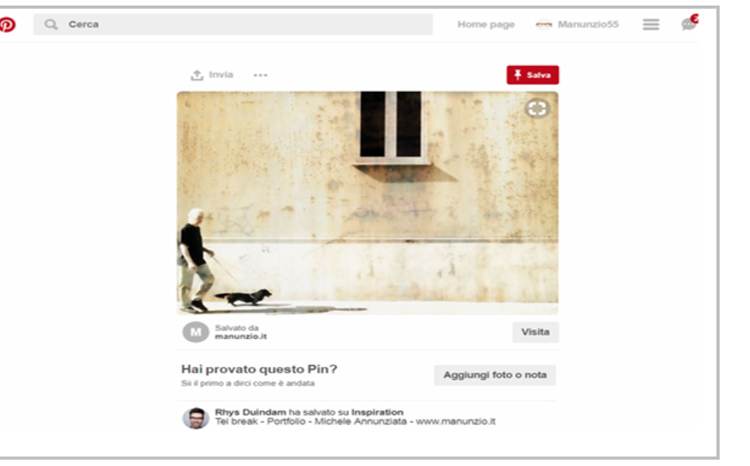
Photo © Michele Annunziata
Abstract
a my photo on web, from old site, an unexspected surprise during my searcing on Google: image appears on Pinterst and user mark it as “image of inspiration”.
Backstage. In my town, a place as many others on Earth, a day I have selected during the shooting an moment of lifestyle, I would never imagined that a user later then mark it as that it "emotional".
"Deriva s. f. [dal fr. dérive; v. derivare]. – 1. Trascinamento, da parte di una massa fluida in movimento, di un corpo galleggiante o immerso in essa, rispetto a una superficie fissa (fondo marino, superficie terrestre). Con sign. specifici: a. D. marina, d. aerea, rispettivamente, lo scostamento dalla sua rotta di un natante per opera delle correnti marine e di un aeromobile per opera di correnti atmosferiche. Andare alla d., di galleggiante abbandonato alle forze dei venti e delle correnti; fig., nell’uso com., con riferimento a persona, abbandonarsi al corso degli eventi, cedere, senza capacità di reazione, a una sorte infelice."
Qui nell’accezione plurale, e nel senso di navigazione. Proprio così, o di quei arcani che ti fan imbattere in una foto, che avete dimenticato, e parte del vecchio sito.
Un uomo e suo cane dietro su muro una finestra, rimaneggiata con texture. Effettaccio oggi, col senno di poi: ma tant’è.
E sorprende che qualcuno, segnando l’immagine, ne trae motivo di “ispirazione”: che dire?
Pinterest Photo
Man
Ps. Nudo e crudo la sintesi poco sopra e da Treccani. E tuttavia già da un paio di anni, una sorta di prova del nove esponenziale, su uno dei tanti siti fotografici, le immagini postate ricevono attenzione, statistica alla buona, da ogni parte del Mondo cosiddetto e con prevalenza, certo, Europa del Nord. E, quasi contraddizione, qualche lusinghiero commento, più degli uomini sono le donne. La qualcosa ci insospettisce, e non poco, nutrendo nei confronti del “gentil sesso” tutt’altro che rose e fiori, su un piano che non ha niente a che vedere (e sparte) con il letto psicanalitico. Per chi intende
